Simple Home Remedies for Reducing Joint Pain
14 July 2026
Joint pain is something many of us face at some point in life. Whether it’s due to aging, an old injury, or an inflammatory condition like arthritis, that nagging discomfort can make everyday tasks a struggle. While there are plenty of medications available, not everyone wants to rely on pills for relief. Luckily, nature has given us some simple, effective home remedies that can help ease the pain without any side effects.
If you're looking for natural ways to soothe your aching joints, keep reading. Below are some practical, easy-to-follow remedies that might just bring you the relief you’ve been searching for.

1. Hot and Cold Therapy – The Classic Pain Reliever
Sometimes, the simplest solutions are the most effective. Heat and cold therapy work wonders when it comes to reducing joint pain.- Heat Therapy: Applying a warm compress, heating pad, or even a warm towel can help increase blood flow and relax stiff joints. A warm bath infused with Epsom salt can also do the trick.
- Cold Therapy: If your joints are swollen and inflamed, an ice pack wrapped in a towel can reduce inflammation and numb the pain. Just avoid applying ice directly to your skin to prevent frostbite.
A good rule of thumb: Use heat for stiffness and cold for inflammation.
2. Turmeric – The Golden Healer
Turmeric is like nature’s ibuprofen. This golden spice contains curcumin, a powerful anti-inflammatory compound that’s been used in Ayurvedic medicine for centuries.How to Use Turmeric for Joint Pain:
- Turmeric Milk: Mix a teaspoon of turmeric powder into a warm glass of milk and drink it before bed.- Turmeric Tea: Boil water, add turmeric, a pinch of black pepper (helps with absorption), and honey for taste. Drink once daily.
- Turmeric Paste: Make a paste with turmeric and coconut oil, apply it to sore joints, and let it sit for 20 minutes before rinsing.
Turmeric doesn’t just fight pain—it also supports overall joint health!

3. Ginger – Nature’s Anti-Inflammatory
Ginger isn’t just great for nausea; it also has potent anti-inflammatory properties that can help reduce joint pain.How to Use Ginger for Relief:
- Ginger Tea: Slice fresh ginger, boil it in water, strain, and drink with a little honey.- Ginger Compress: Grate fresh ginger, wrap it in a cloth, soak in warm water, and apply to painful joints.
- Ginger in Diet: Add fresh or powdered ginger to your meals for daily relief.
Regular consumption of ginger can work like a natural painkiller.

4. Apple Cider Vinegar – The Detoxifier
Apple cider vinegar (ACV) is a well-known remedy for various ailments, including joint pain. It helps remove toxins from the body and reduces inflammation.How to Use Apple Cider Vinegar:
- Drink It: Mix a tablespoon of ACV in a glass of warm water with honey and drink it daily.- Soak It: Add ACV to a warm bath or foot soak to relieve joint pain.
- Apply It: Mix ACV with olive oil and massage it onto painful joints.
ACV is packed with minerals like calcium, magnesium, and potassium—essential for bone and joint health.
5. Epsom Salt Soak – A Muscle and Joint Relaxer
Epsom salt is rich in magnesium, a mineral known for reducing inflammation and soothing sore muscles.How to Use Epsom Salt for Joint Pain:
- Warm Bath: Add 2 cups of Epsom salt to warm bathwater and soak for at least 15-20 minutes.- Foot Soak: If joint pain affects your feet, soaking them in warm Epsom salt water works wonders.
An Epsom salt soak can ease tension, improve mobility, and leave you feeling relaxed.
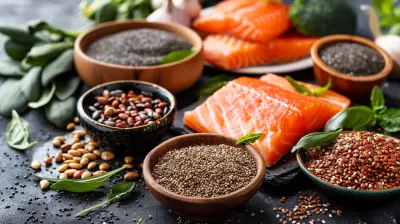
6. Omega-3 Fatty Acids – The Joint Lubricator
Healthy fats, particularly omega-3 fatty acids, help reduce joint inflammation and stiffness.Best Sources of Omega-3s:
- Fatty fish like salmon, mackerel, and sardines.- Chia seeds, flaxseeds, and walnuts.
- Fish oil supplements (consult your doctor first).
Eating omega-3-rich foods regularly can support joint health and mobility long-term.
7. Massage with Essential Oils – A Natural Pain Reliever
Massage therapy helps improve blood circulation and reduce stiffness. Adding essential oils can enhance the effects.Best Essential Oils for Joint Pain:
- Eucalyptus Oil: Has anti-inflammatory properties.- Lavender Oil: Helps with relaxation and pain relief.
- Peppermint Oil: Provides a cooling effect that soothes sore joints.
How to Use:
Mix a few drops of essential oil with a carrier oil (like coconut or olive oil) and gently massage it onto painful areas. Regular massage can significantly improve flexibility and mobility.
8. Stay Hydrated – Water is Your Friend
Believe it or not, dehydration can worsen joint pain. Cartilage in joints needs hydration to stay lubricated and function properly.Hydration Tips:
- Drink at least 8 glasses of water daily.- Include water-rich foods like cucumbers, oranges, and watermelon in your diet.
- Avoid excessive caffeine and alcohol, as they can dehydrate the body.
A hydrated body keeps joints flexible and reduces stiffness.
9. Regular Exercise – Keep Moving
It might seem counterintuitive to move when your joints hurt, but regular low-impact exercise can actually help.Best Exercises for Joint Pain:
- Walking: Gentle on the joints and great for circulation.- Swimming: Water exercises reduce stress on joints while strengthening muscles.
- Yoga and Stretching: Helps improve flexibility and reduce stiffness.
Avoid high-impact activities that strain your joints and opt for gentle, joint-friendly exercises.
10. Healthy Diet – Food is Medicine
What you eat plays a big role in joint health. A diet rich in anti-inflammatory foods can help keep pain at bay.Best Foods for Joint Health:
- Leafy Greens: Spinach, kale, and broccoli are packed with anti-inflammatory compounds.- Berries: Blueberries, strawberries, and raspberries are loaded with antioxidants.
- Nuts and Seeds: Almonds, walnuts, and flaxseeds are great for reducing inflammation.
On the flip side, avoid processed foods, excessive sugar, and refined carbs, as they can make inflammation worse.
Final Thoughts
Joint pain can be frustrating, but you don’t have to rely on medication alone. Simple home remedies like hot and cold therapy, turmeric, ginger tea, and regular hydration can naturally ease discomfort and improve overall joint health. Small lifestyle changes, like eating nutritious foods and incorporating gentle exercise, can make a world of difference.Try these remedies consistently, and you may find yourself moving more comfortably and living life with less pain. Remember, your body heals best when you give it the right support—naturally!
all images in this post were generated using AI tools
Category:
Healthy JointsAuthor:

Laurie Barlow