Signs It’s Time to Seek Help for Your Joint Pain
29 July 2026
Joint pain can be a frustrating and exhausting experience. Whether it’s a dull ache or a sharp stabbing sensation, it can interfere with your daily activities, making even the simplest tasks feel like a challenge. While occasional discomfort is normal, persistent pain might be a sign that something more serious is going on. But how do you know when it's time to stop ignoring the pain and seek professional help?
Here are the telltale signs that your joint pain shouldn’t be ignored any longer.
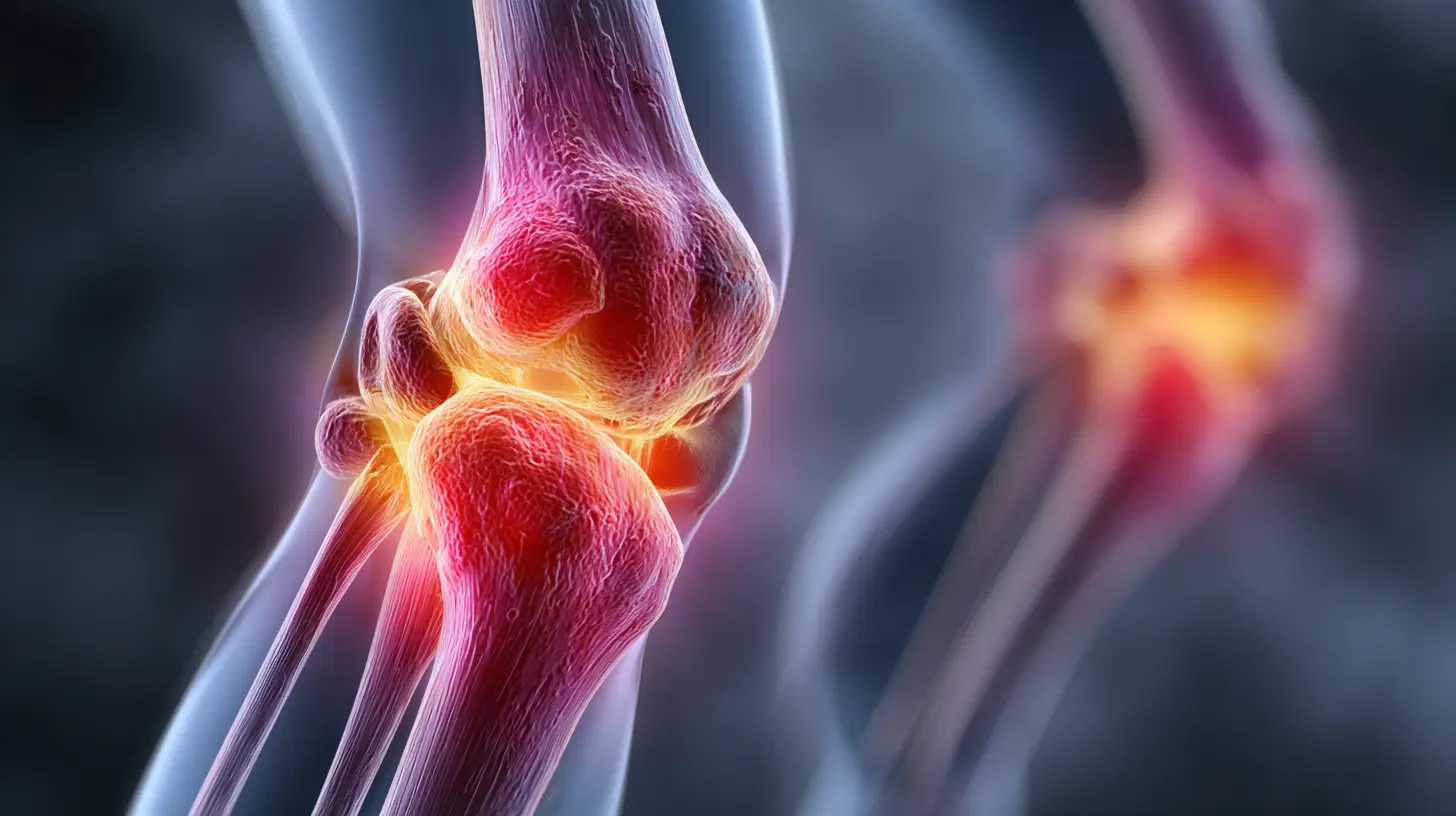
1. Persistent Pain That Won’t Go Away
We all get aches and pains now and then, especially as we age or after a tough workout. But if your joint pain has stuck around for weeks or even months, it’s a clear red flag.Chronic joint pain can be caused by conditions like arthritis, bursitis, or even an injury that never fully healed. Ignoring it might only make matters worse. If over-the-counter pain relievers and home remedies aren’t giving you relief, it’s time to consult a healthcare professional.
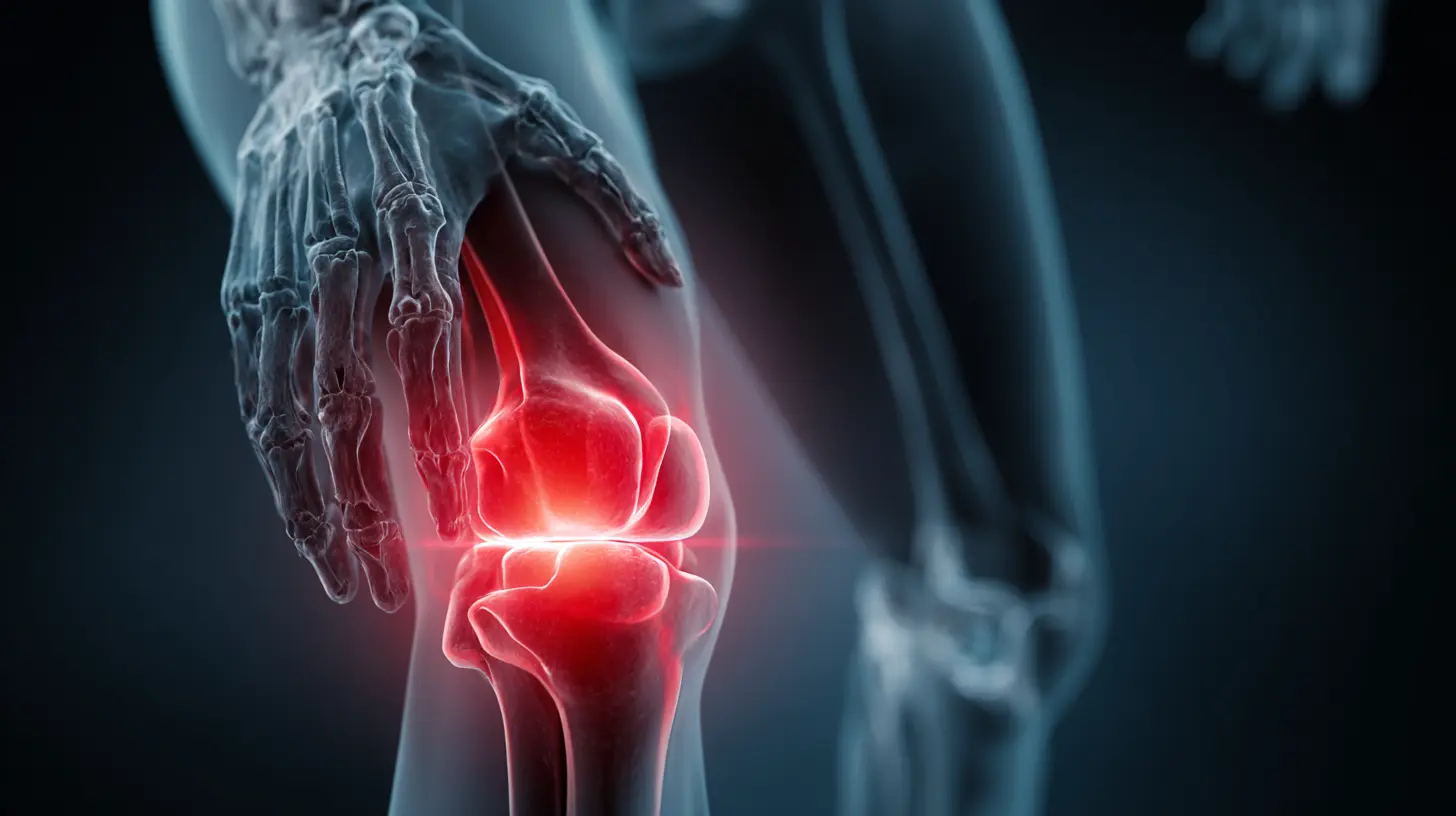
2. Swelling, Redness, or Warmth Around the Joint
Is your joint looking swollen, red, or feeling warm to the touch? That’s usually a sign of inflammation. While minor swelling can occur after physical activity, persistent inflammation could indicate an underlying condition like rheumatoid arthritis or an infection within the joint.If you spot these symptoms, don’t wait too long before getting it checked out. Delaying treatment could lead to irreversible joint damage.
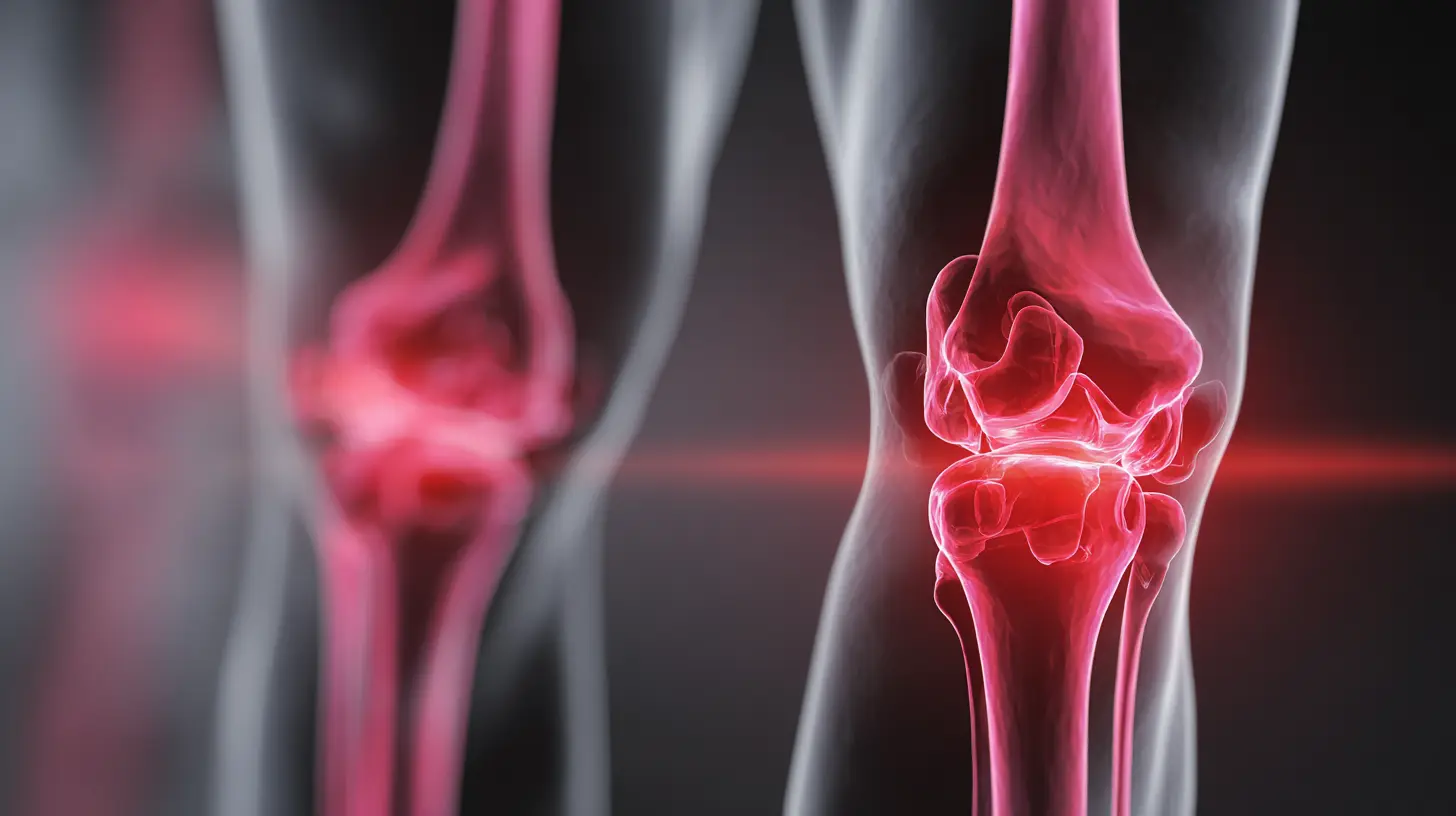
3. Stiffness That Won’t Loosen Up
Feeling a bit stiff when you wake up is normal, but if it lasts for hours or worsens as the day goes on, that’s a problem. Conditions like osteoarthritis and rheumatoid arthritis often cause prolonged stiffness, making movement difficult and painful.If your joints feel locked up and stretching or movement doesn’t help, it’s a sign that professional intervention is necessary.
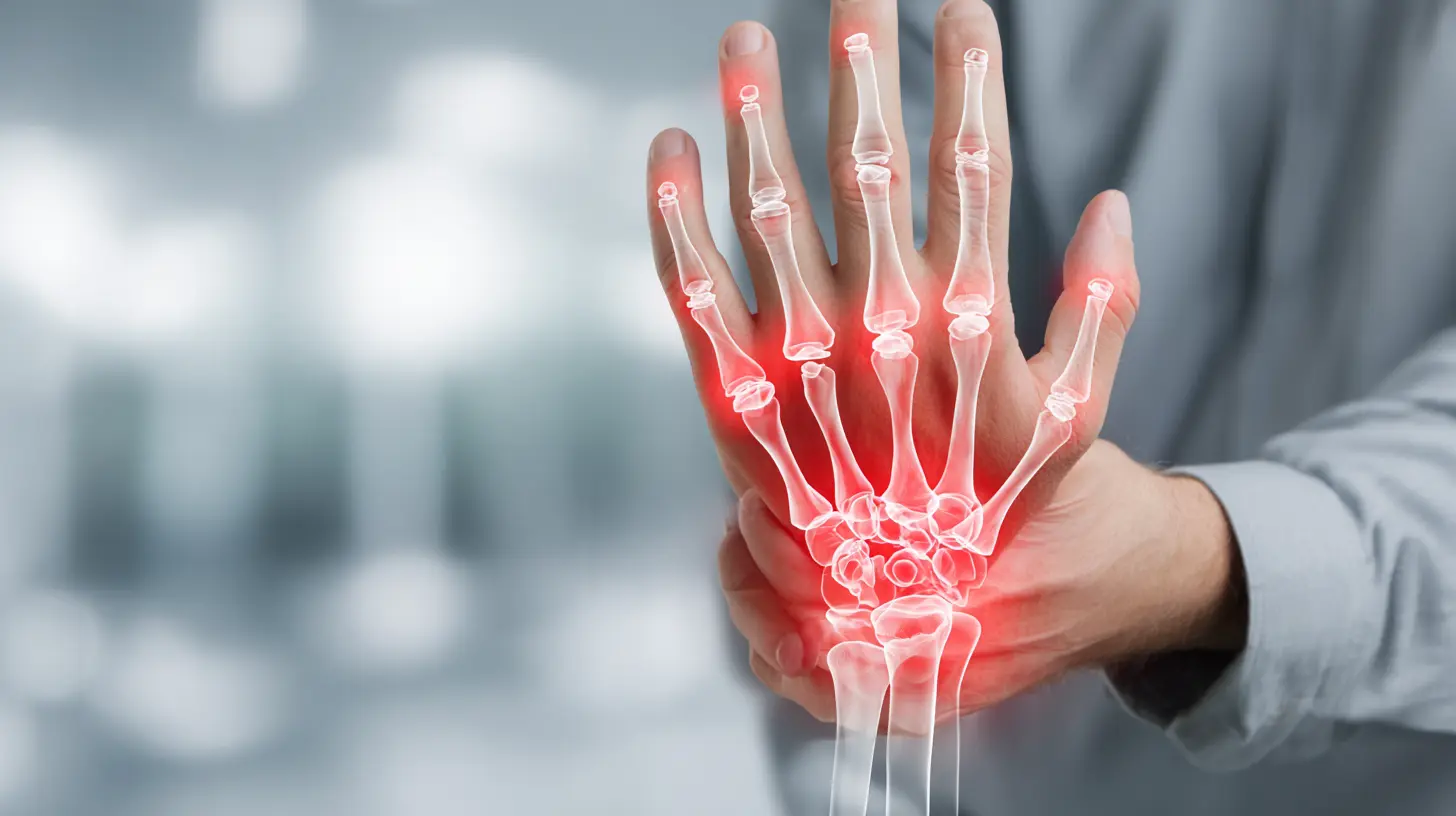
4. Difficulty Moving or Performing Daily Activities
Are simple activities, like climbing stairs, getting up from a chair, or opening a jar, becoming harder? If joint pain is interfering with your daily routine, that’s not something to brush off.Limited mobility could mean your joint is deteriorating, possibly due to arthritis or another degenerative condition. Early treatment can prevent further damage and improve your quality of life.
5. Joint Pain That Worsens at Night or With Rest
Pain that keeps you up at night or worsens when you're resting isn’t something to ignore. While physical activity can sometimes cause discomfort, joint pain that flares up when you're inactive could indicate an underlying condition, such as osteoarthritis or nerve involvement.If you're losing sleep or struggling to find a comfortable position, consult a doctor before the issue becomes unbearable.
6. Cracking, Popping, or Grinding Sensations
Hearing a crack or pop every now and then isn’t necessarily alarming. But if your joints frequently make noises accompanied by pain, stiffness, or instability, it could be a sign of cartilage breakdown or ligament damage.A grinding sensation, known as crepitus, is often linked to osteoarthritis. If you feel like your joints are "catching" or locking up, it’s time to have them evaluated.
7. Your Joint is Deformed or Misshapen
Take a close look at the affected joint. Does it appear swollen, misaligned, or deformed? These could be signs of conditions like rheumatoid arthritis, gout, or even an untreated injury that has worsened over time.Deformities in joints can lead to permanent damage and reduced function. Seeking medical attention early might help prevent irreversible changes.
8. Recurring Joint Pain After Minor Injuries
Have you noticed that even the slightest bumps or twists cause significant pain? If you're frequently injuring the same joint or if past injuries flare up unexpectedly, it could mean your joint is weakened or prone to damage.Chronic joint instability could indicate ligament problems, cartilage deterioration, or underlying conditions like hypermobility syndrome. A doctor can assess whether you need physical therapy or other treatments.
9. Sudden, Severe Pain Out of Nowhere
If you experience a sharp, intense pain in a joint that seemingly comes out of nowhere, don’t ignore it. Sudden joint pain can be a symptom of conditions like gout, infections, or even fractures.Severe pain that hinders movement or worsens rapidly may require immediate medical attention, especially if it's accompanied by fever or chills, which could suggest an infection.
10. Pain Accompanied by Fatigue, Fever, or Weight Loss
Joint pain doesn’t always come alone—it sometimes brings other concerning symptoms with it. If you're experiencing persistent fatigue, unexplained weight loss, or a fever, your joint pain might be linked to an underlying systemic condition like lupus, rheumatoid arthritis, or an autoimmune disorder.Don’t delay a doctor's visit if you're feeling generally unwell along with joint discomfort. Early diagnosis can make a significant difference in treatment outcomes.
When Should You See a Doctor?
If your joint pain is persistent, worsening, or affecting your quality of life, it’s time to seek medical help. Here’s a quick checklist of when to see a doctor:- Your pain lasts for weeks or keeps coming back.
- You notice swelling, redness, or warmth in the joint.
- Your joint is stiff for prolonged periods.
- Everyday movements feel difficult or painful.
- You hear grinding sounds or feel instability in the joint.
- The joint looks deformed or misshapen.
- You experience sudden, sharp pain without an obvious cause.
- Your pain is accompanied by fever, fatigue, or unexpected weight loss.
What to Expect at Your Doctor’s Visit
When you see a healthcare provider, they will likely ask about your symptoms, lifestyle, and medical history. They might perform physical exams and order imaging tests like X-rays, MRIs, or blood work to determine the cause of your pain.Depending on the diagnosis, treatment options may include:
- Medications – Pain relievers, anti-inflammatory drugs, or disease-modifying treatments for conditions like arthritis.
- Physical Therapy – Exercises to strengthen the muscles around the joint and improve mobility.
- Joint Injections – Corticosteroids or hyaluronic acid injections for pain relief.
- Lifestyle Changes – Diet, weight management, and exercise modifications to reduce joint stress.
- Surgery – In severe cases, joint replacement or repair might be necessary.
Final Thoughts
Ignoring joint pain won’t make it go away—in fact, it often gets worse over time. If you're experiencing any of the warning signs mentioned above, don’t wait to seek professional help. Early diagnosis and treatment can prevent long-term damage, reduce pain, and improve your overall quality of life.Your joints are essential for your movement and daily activities. Give them the care they deserve!
all images in this post were generated using AI tools
Category:
Healthy JointsAuthor:

Laurie Barlow