Secrets to Sustainable Fat Loss You Haven't Heard Before
4 August 2026
Let’s cut to the chase—fat loss is hard. Not because your body is broken or you need some magical supplement, but because we’ve been sold a million quick fixes and conflicting pieces of advice that lead us in circles. Sound familiar?
Well, here’s some good news. You don’t need to suffer through bland meals and soul-sucking workouts. Sustainable fat loss is absolutely doable, and no—you haven’t heard all the real secrets. Today, we're peeling back the curtain and talking about the lesser-known truths that actually matter.
Why Most Fat Loss Advice Fails
We’ve all heard the standard spiel: Eat less, move more. Sure, energy balance is a thing, but it's not that black and white. Most fat loss advice just skims the surface. It’s like trying to fix a leaky roof with duct tape—it might hold for a bit, but give it time, and the holes will show.Let’s face it: Most diets are built for short-term change. They rarely stick because they don't align with your life. And that’s the heart of the issue.
So what does work? Let’s dig into the fat loss secrets that aren't plastered all over social media—but actually make a difference.
1. Stop Chasing Motivation—Build Systems Instead
Motivation is like your flaky friend who shows up when things are fun and vanishes when stuff gets tough.If you rely on feeling motivated to eat better or work out, you’re gonna have a bad time.
What actually works? Systems. Habits. Automatic behaviors. You don’t think twice about brushing your teeth, right? That’s the kind of autopilot we're going for.
Quick Tip:
Set up your environment to make healthy choices easier than unhealthy ones. Keep junk food out of sight, prep meals ahead of time, and schedule workouts like appointments.
2. Sleep is Your Secret Weapon
Most people totally overlook this, but poor sleep will absolutely wreck your fat loss efforts.When you're sleep-deprived:
- Hunger hormones (ghrelin) go up
- Satiety hormones (leptin) go down
- You crave carbs and sugar like crazy
Basically, you're biologically wired to overeat when you're tired. No willpower on Earth can outwork that.
So, what's the fix?
- Aim for 7–9 hours of quality sleep.- Wind down an hour before bed (ditch the screens).
- Try to keep a consistent sleep schedule—even on weekends.
3. Stop Cutting Out Foods You Love
This one’s big. If your fat loss plan feels like punishment, you won’t stick with it.Here’s the truth: Restriction leads to rebellion. It fuels binge eating, guilt, and that awful all-or-nothing cycle—"I already messed up, so might as well eat everything."
Instead, practice flexible dieting. Yes, you can have pizza and still lose fat. It’s about portions, not perfection.
The 80/20 Rule:
Eat nutritious, whole foods 80% of the time. Enjoy your favorite treats guilt-free 20% of the time. This balance keeps you sane—and on track.4. NEAT: The Calorie-Burning Secret You’re Ignoring
NEAT stands for Non-Exercise Activity Thermogenesis—a fancy term for all the movement you do that’s NOT exercise. Stuff like:- Walking the dog
- Cleaning the house
- Taking the stairs
- Fidgeting
It might not sound like much, but NEAT can account for hundreds of calories burned per day. And it adds up.
Easy Ways to Boost NEAT:
- Park far from the store- Take walking meetings
- Set a timer to move every hour
- Do chores with some energy (dance while you vacuum!)
5. Your Stress Levels Are Making You Hold Onto Fat
You could be eating right and doing your workouts exactly as planned, but if your stress is through the roof, you might not see the results you’re expecting.Cortisol, your primary stress hormone, plays a major role in fat storage—especially around the belly.
What Helps?
- Deep breathing or meditation for 5 minutes a day- Journaling your thoughts
- Spending time outdoors
- Disconnecting from screens and social media regularly
Yes, managing stress is just as important as diet and exercise. No joke.
6. Protein: More Than Just Gains
Protein isn’t just for bodybuilders. It’s a fat loss champion.Why?
- It keeps you full
- It boosts your metabolism (thermic effect of food)
- It helps you maintain muscle as you lose fat
If you’re not getting enough, you’ll feel hungrier, and your body might sacrifice muscle instead of fat.
How Much Should You Get?
Aim for 0.7 to 1 gram of protein per pound of goal body weight. Spread it throughout your meals. Trust me, this one change can be a game-changer.7. Strength Training Over Cardio—Every Time
Yes, cardio burns calories. But if you’re relying on the treadmill for fat loss, you're missing a massive opportunity.Strength training:
- Builds lean muscle (which burns more calories at rest)
- Improves your metabolism
- Gives your body that toned, defined look
Don't worry—you won’t “bulk up” unless you’re actively trying to. Lifting weights won’t make you big; it’ll make you strong and lean.
Not sure where to start?
Try full-body workouts 3 times a week. Focus on compound movements: squats, deadlifts, push-ups, rows.8. Consistency Beats Perfection—Every Single Time
Most people give up not because the plan didn’t work, but because they thought they “failed.”You miss a workout. You eat a donut. Big deal.
Fat loss isn’t a test you pass or fail—it’s a long game. The only real way to fail is to quit. One bad meal doesn’t ruin your progress—just like one salad doesn’t make you fit.
The Secret?
Aim to be consistent, not perfect. If you’re doing the right things 80% of the time, you’re doing great.9. Stop Relying on the Scale Alone
Here’s the deal: The scale lies.It doesn’t show you if you’re losing fat and gaining muscle. It doesn’t reflect hormonal changes, hydration, sodium intake, or the salty sushi you had last night.
Chasing the scale every day can mess with your head and lead you to quit way too soon.
Better Ways to Track Progress:
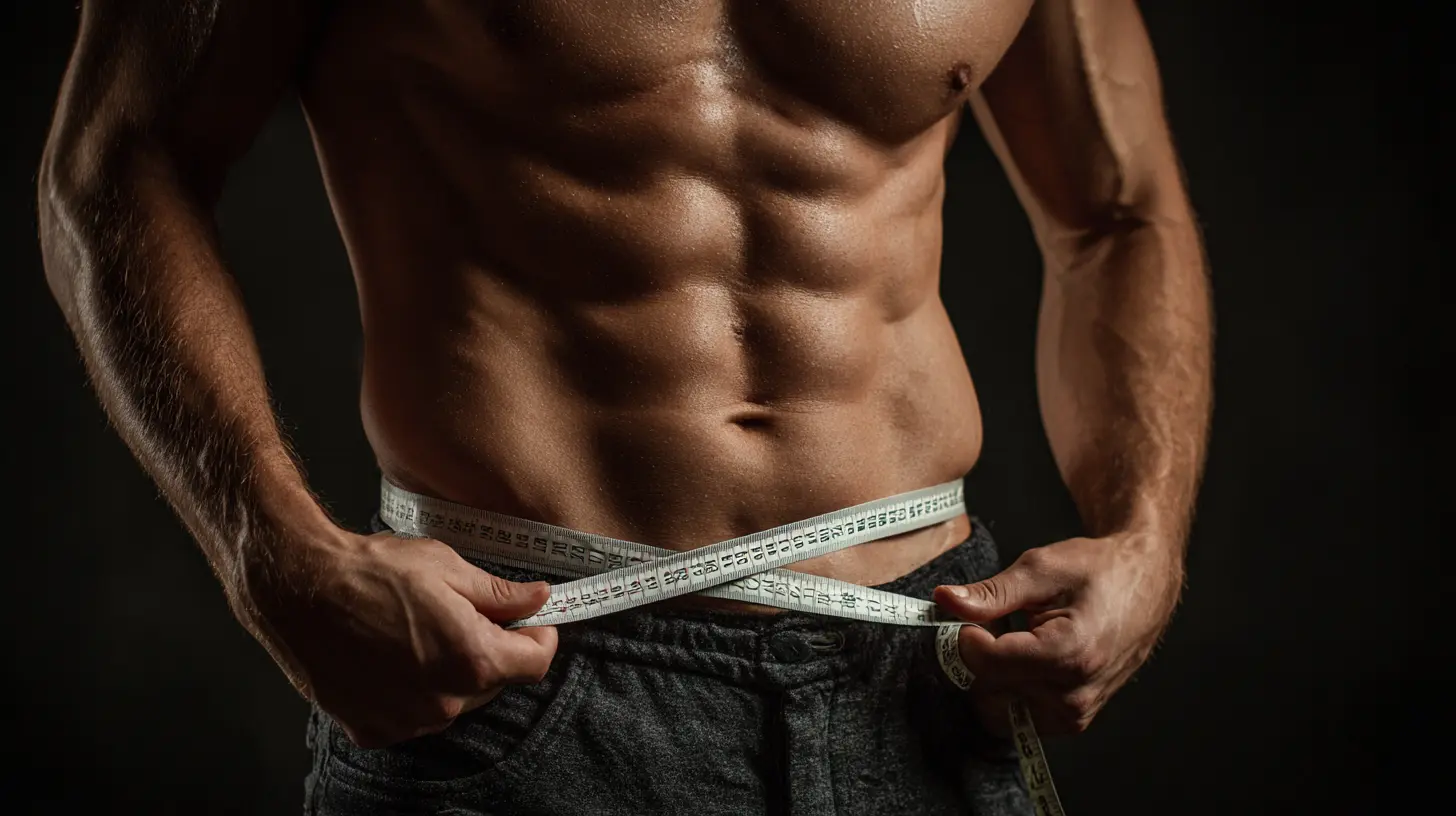
- Take progress photos- Measure inches (waist, hips, etc.)
- Track how your clothes fit
- Notice your energy levels and mood
Fat loss is about how you feel and function, not just what the scale says.
10. Make It Fit Your Lifestyle, Or It Won’t Last
This is the biggest secret of all. Your fat loss strategy has to fit your life—not the other way around.If you hate running, don’t run.
If you love carbs, don’t cut them out.
If you have a family to cook for, don’t make separate meals for yourself.
Make small, realistic changes that feel manageable. That’s how you create sustainable results.
Final Thoughts: It’s Simpler (and Kinder) Than You Think
You don’t need to suffer to lose fat.You don’t need six workouts a week, a detox tea, or some “clean eating” plan that ruins your relationship with food.
You just need to:
- Sleep better
- Move more throughout the day
- Strength train a few times a week
- Eat adequate protein and plenty of whole foods
- Enjoy the foods you love without guilt
- Manage your stress
- And most importantly—stay consistent
Give it time. Be patient with yourself. And remember—sustainable fat loss isn’t about being perfect. It’s about being better, not perfect, one choice at a time.
You’ve got this.
all images in this post were generated using AI tools
Category:
Fat LossAuthor:

Laurie Barlow