Rest and Recharge: How Downtime Sharpens Cognitive Ability
4 April 2026
Let’s face it—our brains are fried. Between the constant notifications, back-to-back Zoom meetings, and endlessly scrolling through social media, our minds don’t seem to get a break. But here’s the kicker: rest isn’t just a luxury. It’s a necessity. It’s the secret sauce that helps your brain function better, faster, and smarter.
In this article, we’re diving deep into how pressing the pause button—whether it’s a nap, a walk, or even a weekend off—can supercharge your brain and improve your overall cognitive function. Ready to find your mental refresh button? Let’s go!
Why You Can’t Just “Push Through It”
We’ve all been there. You’re running on fumes, multitasking like a pro, trying to squeeze productivity out of every last brain cell. But is that really effective? Short answer: nope.When you’re mentally drained and keep pushing, your brain starts to lag—think of it like trying to stream a 4K movie on dial-up internet. You might get a few pixels here and there, but the experience is glitchy at best.
Mental Fatigue is Real
Mental fatigue is more than just feeling “tired.” It’s that foggy-headed, can’t-focus, short-tempered kind of tired. It affects:- Memory retention
- Decision-making
- Attention span
- Problem-solving abilities
Bottom line? If you’re trying to power through productivity without rest, you’re actually doing more harm than good.
How Rest Affects Brain Function
This is where things get interesting. Rest isn’t about doing nothing—it’s about giving your brain the space it needs to process and reset itself. Think of it as hitting the refresh button on your mental web browser.1. Boosts Memory Consolidation
Ever notice how you remember things better after a good night’s sleep or a midday nap? That’s not a coincidence.During rest—especially sleep—your brain goes into cleaning mode. It processes the day’s events, strengthens neural pathways, and decides what to keep and what to toss out. This is known as memory consolidation.
And yes, even short power naps can do wonders. A 20-minute cat nap could help you retain information better for that big presentation or exam.
2. Enhances Creativity
Rest encourages what psychologists call default mode network (DMN) activity. Big phrase, simple meaning: it’s the part of the brain that lights up when you’re daydreaming, letting your mind wander.This state is where creative thinking thrives. Ever had a genius idea in the shower or while walking the dog? That’s your DMN doing its thing.
3. Improves Focus and Attention
When you're constantly “on,” your attention span takes a hit. You're more easily distracted and less able to concentrate. But after downtime—like a walk in the park or a weekend camping trip—your focus sharpens.This refreshed mental state allows for deep work—the kind of meaningful, high-concentration work where you're fully immersed and effective.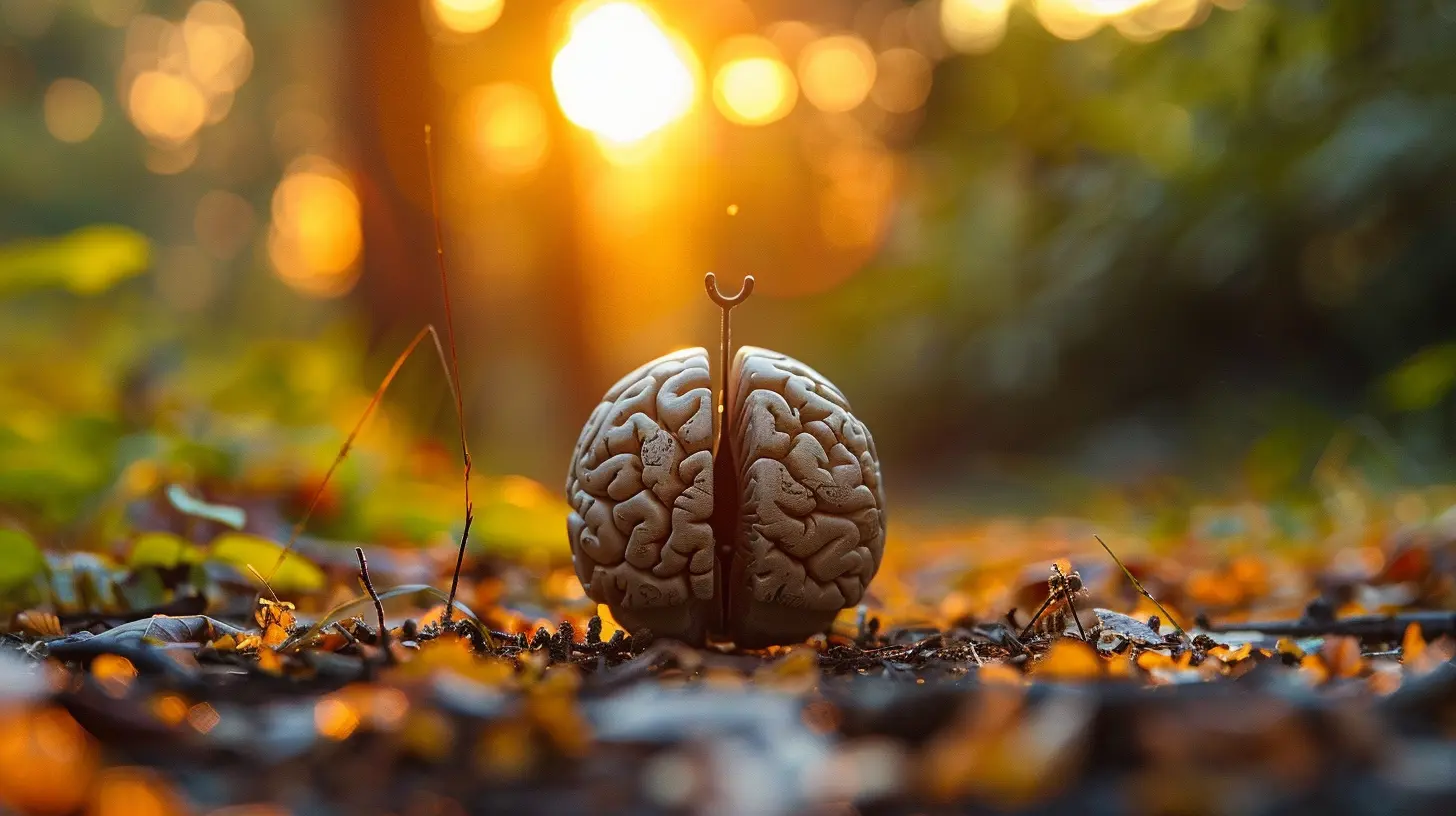
Types of Rest That Recharge Your Brain
Not all rest is created equal. Binge-watching ten hours of reality TV? That might help you unwind, but it’s not always the cognitive reboot your brain craves.Let’s break down the types of rest that truly help sharpen your mind:
1. Sleep: The MVP of Mental Recovery
You cannot out-hustle a bad night’s sleep. Period.Sleep repairs brain tissue, clears waste proteins (linked to Alzheimer’s), and strengthens neural connections. Aim for 7-9 hours per night. And don’t underestimate the power of a good nap (10-30 minutes is the sweet spot).
Pro Tip: Keep your sleep environment cool, dark, and quiet. Your brain will thank you.
2. Physical Rest: More Than Just Lying Down
Physical rest isn’t just about snoozing. It includes:- Active rest like yoga or stretching
- Short walks to break up long sitting periods
- Proper ergonomic setup at work
These small adjustments can reduce brain strain and improve circulation, making it easier for your brain to keep up.
3. Mental Rest: Giving Your Brain a Breather
Sometimes, your brain needs to hit pause. This means:- Taking short breaks during work (Pomodoro technique, anyone?)
- Unplugging from screens
- Practicing mindfulness or meditation
Taking just 5-10 minutes of quiet time can recharge your mental battery more than you might expect.
4. Creative Rest: Refueling Inspiration
When was the last time you did something just for fun? No goals. No deadlines. Just pure joy.Creative rest includes:
- Painting for fun
- Listening to music
- Reading fiction
- Writing in a journal
Doing something outside your usual routine can boost your mood and reawaken creative thinking.
Why Your Brain Loves Downtime
Now for the science-backed goodness. Here's how rest sharpens your cognitive abilities:Neuroplasticity Gets a Boost
Rest supports neuroplasticity, or your brain's ability to rewire and adapt. This is huge for learning new skills, building habits, and recovering from mental fatigue.Stress Reduction = Better Brain Function
Chronic stress hinders memory, learning, and emotional regulation. Rest lowers cortisol levels, giving your brain the space to function at full capacity.It Strengthens Emotional Intelligence
Downtime helps you process emotions and develop empathy. That means less overreacting, better communication, and stronger relationships.Signs You’re Not Getting Enough Rest
Your body and brain are pretty good at sending out SOS signals. Here are a few red flags:- Struggling to concentrate
- Feeling “foggy” or slow
- Quick to irritate or snap
- Forgetting things often
- Relying on caffeine to get through the day
If this sounds like you, it's probably time to schedule in some real rest—and no, scrolling through TikTok until 1 AM doesn't count.
Simple, Brain-Friendly Ways to Rest Every Day
You don’t need a two-week vacation to recharge. Just sprinkle in these brain-boosting breaks throughout your week:Microbreaks
Take 5-minute breathers after every hour of work. Stand up, stretch, look out the window—do anything but stare at your screen.Mindful Moments
Spend a few minutes a day doing absolutely nothing. Just breathe, observe, and be. Meditation apps like Headspace or Calm can help.Sleep Rituals
Create a bedtime routine that signals your brain it’s time to power down. Try herbal tea, reading a physical book, or journaling.Unplugged Time
No screens for an hour before bed. Let your circadian rhythm do its thing.Nature Walks
Even a 15-minute stroll in nature can lower stress and improve focus. Think of it as a natural brain massage.Rest Isn't Lazy—It's Smart
Let’s squash the myth that taking breaks means you're lazy or not committed. In reality, the smartest, most effective people build rest into their routines intentionally.Athletes do it. CEOs do it. You should too.
Because when you rest, you’re not just doing nothing—you’re investing in clearer thinking, sharper focus, and better mental health. That’s a win in any book.
Final Thoughts
Taking time to rest and recharge isn’t a sign of weakness—it’s the ultimate productivity hack. Whether you’re a student cramming for finals, a parent juggling meals and meetings, or a busy entrepreneur chasing dreams, your brain needs downtime to function at its best.So stop feeling guilty about taking three deep breaths or enjoying that lazy Sunday morning. You’re not slacking—you’re sharpening your mind for what’s next.
Remember, the human brain isn’t designed for constant output. It’s built for rhythm, recovery, and resilience. So give it the rest it deserves.
Your future self will thank you.
all images in this post were generated using AI tools
Category:
Mental ClarityAuthor:

Laurie Barlow
Discussion
rate this article
2 comments
Valeris Griffin
Great insights! Prioritizing rest is essential for cognitive health. It’s amazing how taking time to recharge can enhance focus and overall mental performance.
April 10, 2026 at 4:51 AM
Laurie Barlow
Thank you! I'm glad you found it valuable. Rest truly does wonders for our mental clarity and focus.
Corin Sullivan
Sure, because binge-watching shows is definitely "resting" for the brain!
April 4, 2026 at 4:50 PM
Laurie Barlow
Binge-watching can provide a mental break, but true rest often comes from varied activities that promote relaxation and rejuvenation.