Organic Gardening at Home: Growing Your Own Healthy Produce
28 December 2025
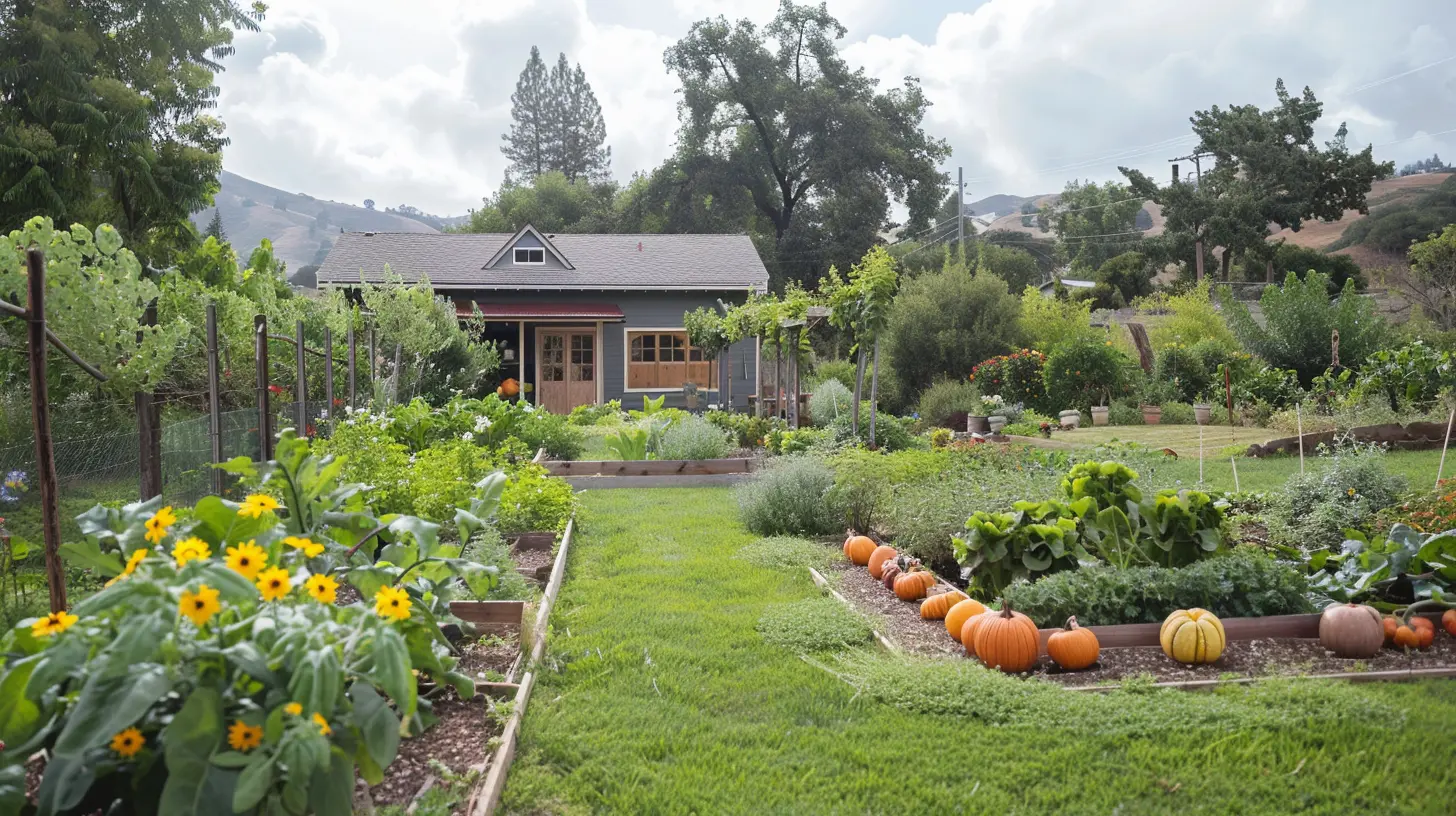
Let’s be honest—most of us want to eat healthier, save a few bucks at the grocery store, and maybe even feel a little more connected to nature. What if I told you there’s a way to do all three at once? That’s where organic gardening comes in. Don’t worry if you’ve never grown anything more than a windowsill cactus—we’re going to break this down piece by piece, and by the time you’re done reading, you'll be ready to get your hands dirty (in the best way).
Why Organic Gardening?
Ever stare at a tomato in the produce aisle and wonder where it came from? Was it sprayed with chemicals? Is it even ripe? When you grow your own fruits and veggies organically, you don’t have to play the guessing game. You're in control—and that’s empowering.What Does "Organic" Really Mean?
Organic gardening is all about growing your plants without synthetic fertilizers, pesticides, or genetically modified organisms (GMOs). Think of it as feeding your garden the way you'd feed your body—with real, natural stuff.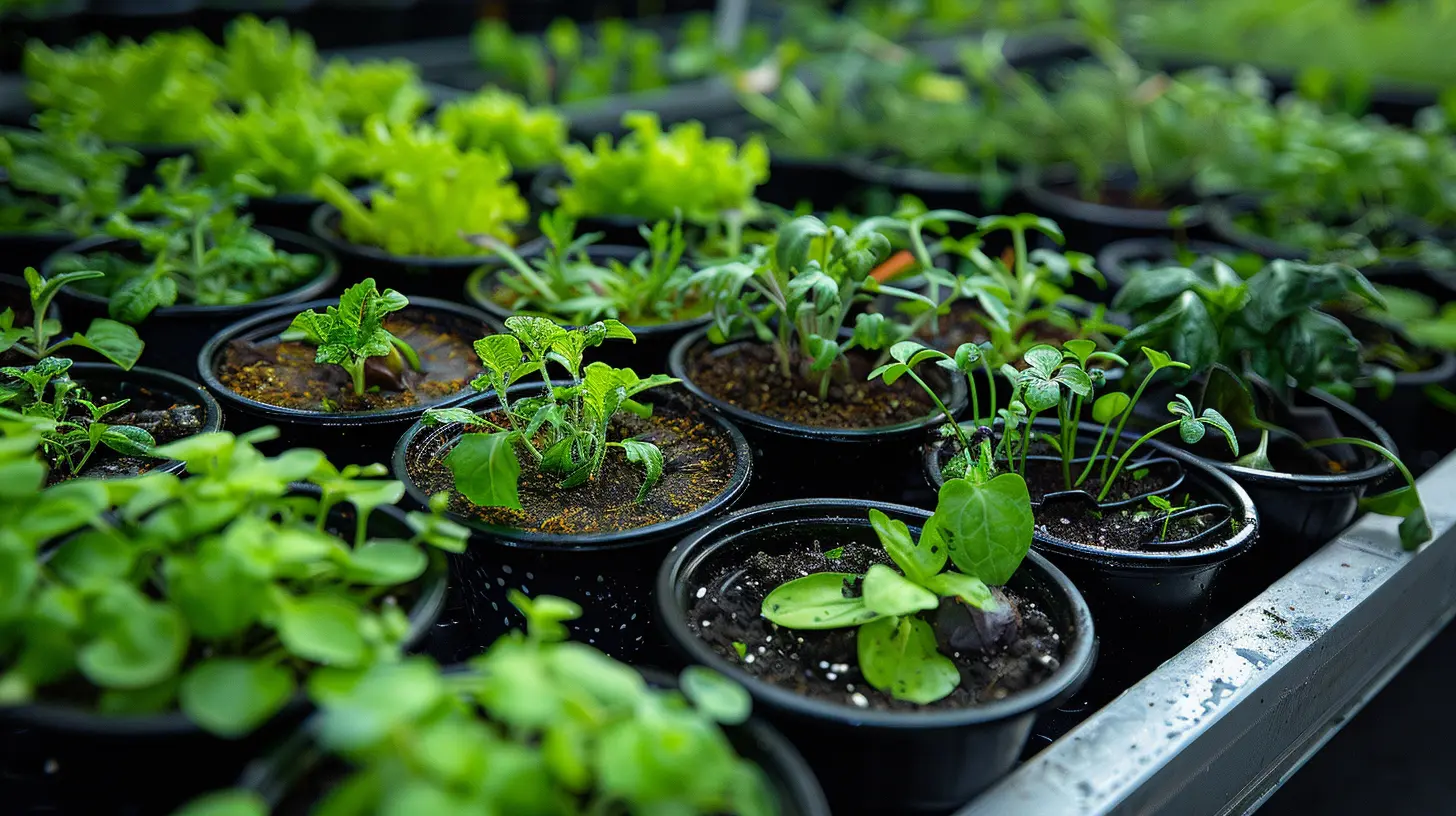
Benefits of Organic Gardening at Home
Let’s talk perks. Besides being more eco-friendly, organic gardens offer a ton of benefits, both for your health and your wallet.1. Healthier Produce
When you skip the chemicals, you also skip the side effects they may bring. Organic produce is often richer in nutrients like antioxidants, and of course, it tastes way better. Ever tried a homegrown strawberry? It’s like nature’s candy.2. Save Money Over Time
Sure, there may be some upfront costs—like soil, seeds, and basic tools—but once you're set up, you'll be harvesting your own groceries. That adds up, especially if you’re growing high-value veggies like tomatoes, bell peppers, or leafy greens.3. Reduce Your Environmental Footprint
Organic gardening is like giving the Earth a little hug. You’ll be using fewer resources, cutting down on packaging waste, and likely composting your leftovers (bonus point for sustainability!).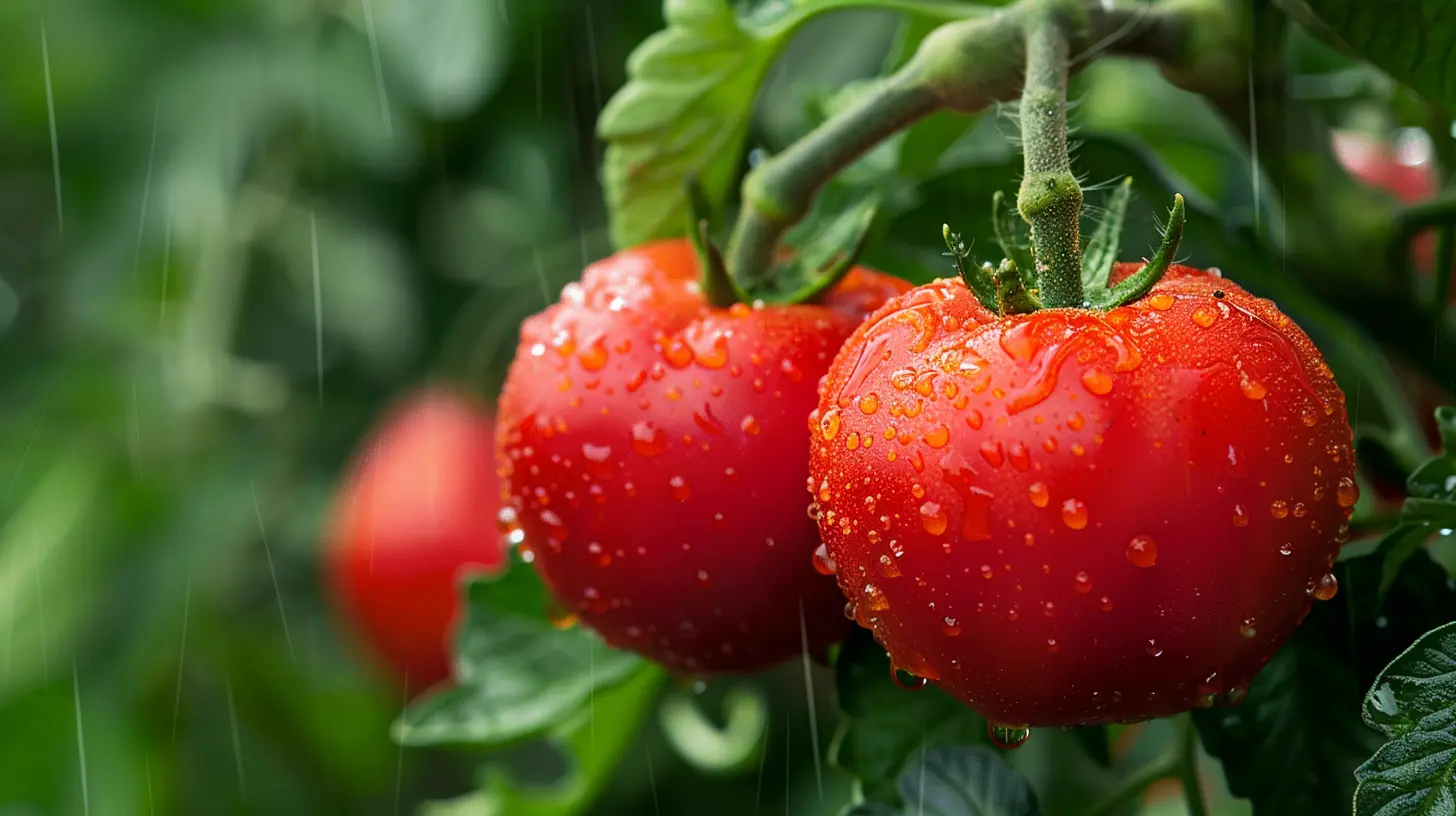
Getting Started: What You’ll Need
Let’s get into the nitty-gritty. You don't need acres of land or fancy tools. A little space, sunlight, and commitment go a long way.1. Choose Your Garden Space
You can start in your backyard, front yard, on your balcony, or even your kitchen window. Just make sure your chosen spot gets at least 6 hours of sunlight a day. No sun? No problem—grow lights can save the day if you’re limited to indoor spaces.2. Gather Your Basic Tools
You don’t need an arsenal. Something as simple as:- A hand trowel (small digging tool)
- Pruning shears
- Watering can or hose with a spray nozzle
- Gardening gloves
- Compost bin
Start small. There’s no need to splurge on every gadget in the gardening aisle. You'll learn what you need as you go.
3. Pick Your Plants
Think about what you actually eat. Love salads? Grow lettuce, kale, and cherry tomatoes. Big on Italian? Go for basil, oregano, and garlic. Herbs like mint and parsley are super easy to grow and give you a quick win.Pro Tip: Start with “easy beginner” plants like:
- Lettuce
- Spinach
- Radishes
- Green beans
- Tomatoes (in containers)
- Zucchini
These plants are pretty forgiving and will boost your confidence fast.

Building Healthy Soil
Think of your soil like soup—it needs a good base if you want great results. Healthy soil is the foundation of a thriving organic garden.What Makes Soil "Healthy"?
Good soil should be rich in nutrients and teeming with life (yes, worms are a good sign!). You'll want soil that drains well but still holds enough moisture for your plants.Compost Is Your Best Friend
Seriously, composting is a gardener’s secret weapon. It’s like turning your kitchen scraps into black gold. Toss in things like:- Veggie peels
- Coffee grounds
- Eggshells
- Leaves
- Grass clippings
Let it all decompose and boom—it becomes natural fertilizer for your garden beds.
All About Organic Fertilizers
Forget Miracle-Gro. Organic fertilizers feed the soil so the soil can feed your plants. Stuff like:- Compost (as mentioned!)
- Aged manure
- Fish emulsion
- Seaweed extract
- Bone meal
- Blood meal
These all sound a little odd, I know, but they’re super effective and totally natural.
Watering the Right Way
Watering seems simple—just turn on the hose and blast away, right? Not so fast.When and How Often?
Early morning is the best time to water. Your plants drink up during the day, and any extra moisture can evaporate before it causes mold or mildew overnight. Avoid watering in the evening unless it's an emergency.How Much?
Depends on the plant and the weather. As a rule of thumb, keep the soil moist but not soggy. If the top inch of soil is dry, it’s time to water.Natural Pest Control for Organic Gardens
Bugs happen. But before you run to the store for chemical sprays, try these organic methods.Companion Planting
Some plants actually protect others. For example:- Marigolds: They deter nematodes and aphids
- Basil: Keeps mosquitoes and flies away (plus, pesto!)
- Chives: Repel aphids and mites
Invite the “Good Guys”
Ladybugs, spiders, and even certain wasps can help keep pest populations in check. Think of them like your garden’s bouncers.DIY Sprays
Try mixing garlic, neem oil, or dish soap with water for an all-natural bug repellent spray.
Weeds: The Unwanted Guests
Weeds are basically the freeloaders of your garden. They steal water, nutrients, and sunlight from your plants.Keep Them at Bay
- Pull them out by hand regularly (a little meditation session, perhaps?)- Mulch your garden beds to block roots and retain moisture
- Don't let them flower or go to seed—it just makes more of them
Seasonal Gardening: Timing Is Everything
Knowing what to plant and when can make or break your gardening success.Spring
Perfect for greens like spinach, kale, lettuce, and carrots.Summer
Time for tomatoes, peppers, cucumbers, and zucchini.Fall
Root veggies like beets, turnips, and garlic do great in cooler weather.Winter
In milder climates, you can grow cold-hardy crops like kale and cabbage—or try container gardening indoors with herbs and greens.
Indoor Organic Gardening
No yard? No problem. Container gardening is perfect for small spaces. Use pots, grow bags, or even repurposed buckets. Just make sure there's room for drainage.Windowsill herb gardens are also a win—basil, cilantro, parsley, and thyme grow well indoors with minimal sunshine.
Keeping Things Sustainable
Organic gardening isn’t just a method—it’s a mindset. Reduce, reuse, and recycle wherever you can.- Reuse containers and pots
- Collect rainwater in a barrel for watering
- Repurpose household scraps into compost
Every small step helps the planet, and your garden thrives because of it.
Harvest Time: Reap the Rewards
Ah, the moment you’ve been waiting for—harvest time! There’s nothing quite like biting into a juicy tomato you grew yourself. It’s the taste of accomplishment.Tips for Harvesting
- Pick in the morning when produce is freshest- Don’t wait too long—overripe fruits attract pests
- Use clean, sharp scissors or pruning shears
And don’t forget to celebrate! Share some with neighbors or host a homemade dinner featuring your garden’s bounty.
Final Thoughts: Just Start
Organic gardening at home isn’t just about growing food—it’s about growing connection. To your body, your home, and the world around you. And yes, it might seem intimidating at first, but remember: every green thumb started with a single seed.So grab some soil, drop in a few seeds, and see what happens. You might just find your new favorite hobby—and a healthier way to eat.
all images in this post were generated using AI tools
Category:
Organic FoodsAuthor:

Laurie Barlow
Discussion
rate this article
2 comments
Bellamy Becker
Great tips! Let's grow healthy together!
January 16, 2026 at 4:54 AM
Laurie Barlow
Thank you! Happy gardening! 🌱
Esther Ellison
Homegrown organic produce enhances nutrition and promotes sustainable living practices.
December 29, 2025 at 5:36 AM
Laurie Barlow
Absolutely! Homegrown organic produce not only boosts nutrition but also fosters sustainable practices, making it a rewarding choice for healthier living.