Organic Foods and Immune Health: What You Need to Know
21 May 2026
Introduction
Ever wonder if switching to organic foods could give your immune system a boost? You're not alone. With growing concerns about processed foods, pesticides, and additives, many people are looking toward organic options to support overall health. But does eating organic really make a difference when it comes to immune health? Let’s break it down and find out.
What Are Organic Foods?
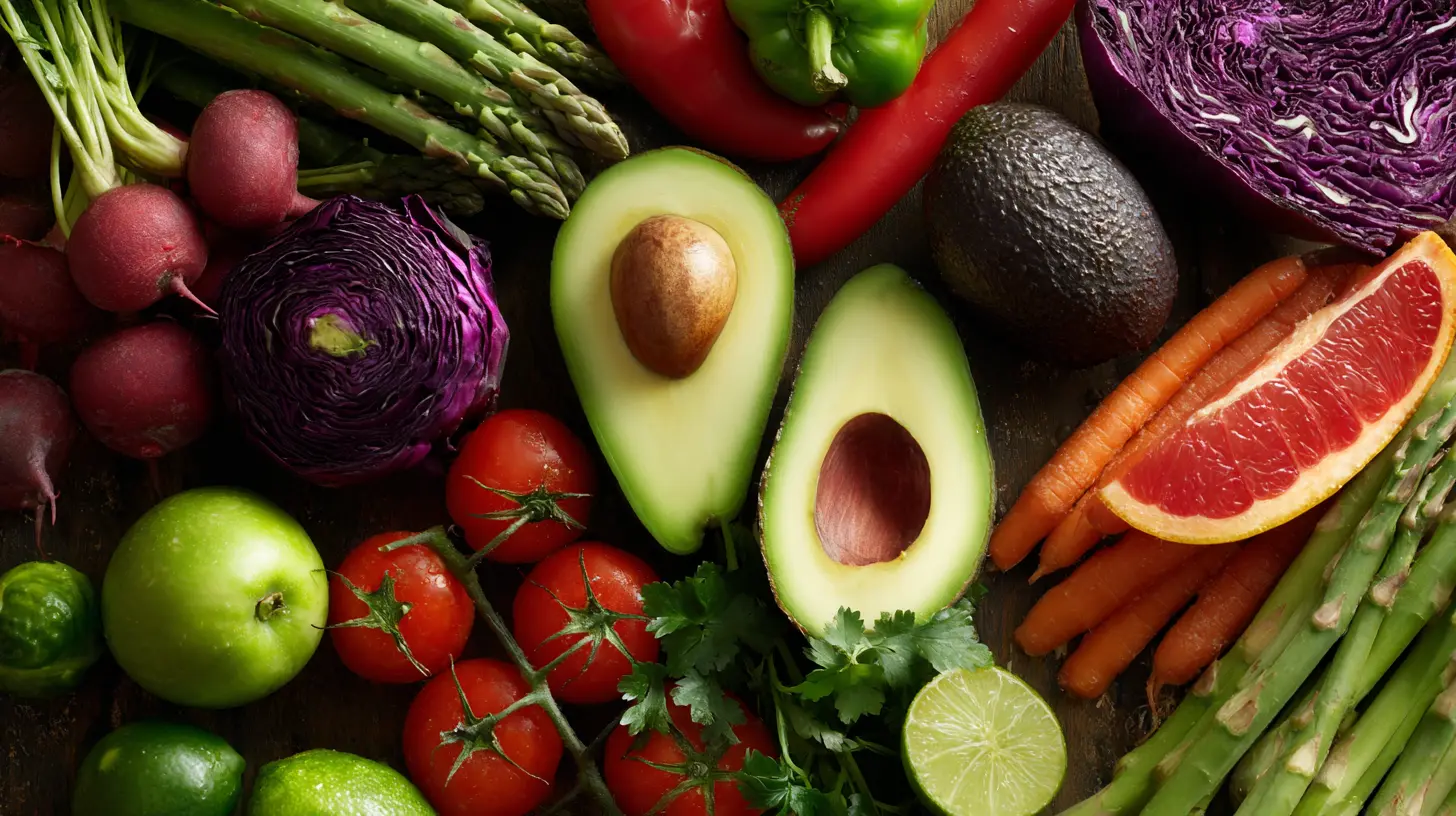
Organic foods are grown and processed without synthetic pesticides, herbicides, chemical fertilizers, or genetically modified organisms (GMOs). Instead, farmers rely on natural methods like composting, crop rotation, and biological pest control to maintain healthy soil and crops. When it comes to animal products, organic means no antibiotics or growth hormones, and animals must be raised in more humane conditions.
How Does Your Immune System Work?
Before we dive into the benefits of organic foods, let's talk about your immune system. Think of it as your body's defense team, constantly on the lookout for harmful invaders like bacteria, viruses, and toxins. It consists of various cells, proteins, and organs working together to keep you healthy.Your immune system thrives on proper nutrition, physical activity, stress management, and adequate sleep. And that’s where organic foods come into play—providing essential nutrients without unnecessary chemicals that could weigh it down.
The Link Between Organic Foods and Immune Health
1. Fewer Pesticides and Harmful Chemicals
One of the biggest reasons people opt for organic foods is to reduce their exposure to pesticides and synthetic additives. Research suggests that long-term exposure to these chemicals can weaken the immune system, making the body more vulnerable to infections, allergies, and even chronic illnesses.Organic foods significantly limit this exposure, allowing your immune system to function without unnecessary interference.
2. Higher Nutrient Content
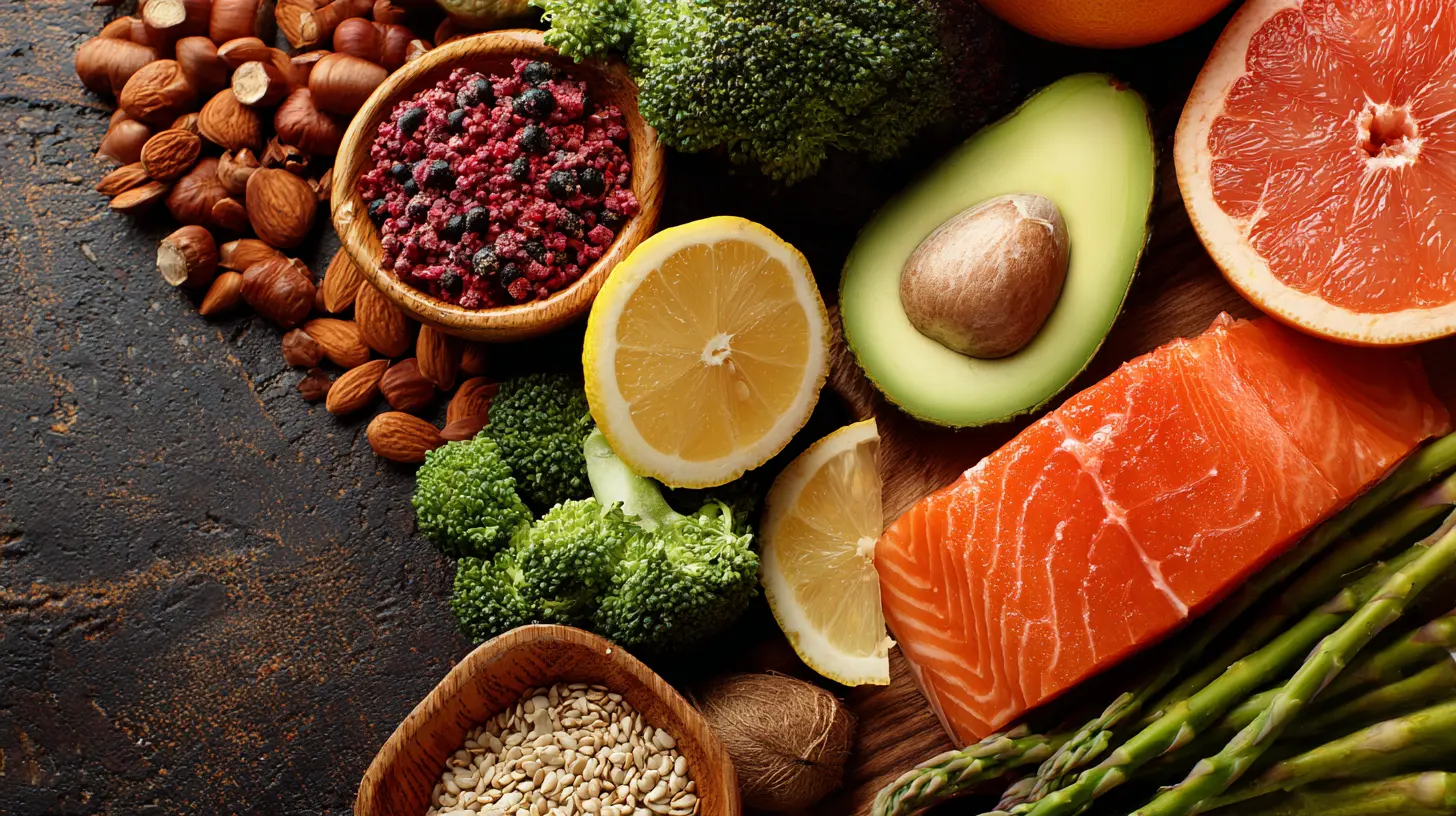
Studies suggest that organic fruits and vegetables often have higher levels of essential nutrients, particularly antioxidants, vitamins, and minerals. These nutrients play a huge role in immune support:- Vitamin C – Found in citrus fruits, bell peppers, and leafy greens, this powerful antioxidant strengthens immune function.
- Zinc – Essential for immune cell production, zinc is found in organic nuts, seeds, and whole grains.
- Polyphenols – These plant compounds, abundant in organic foods, have anti-inflammatory and immune-boosting properties.
While the difference in nutrient levels between organic and conventional foods may not be massive, every bit counts when it comes to keeping your immune system in top shape.
3. Better Gut Health = Stronger Immunity
Did you know that nearly 70% of your immune system resides in your gut? That’s right! A healthy gut microbiome is crucial for fighting off infections and maintaining overall well-being.Organic foods, particularly organic dairy and fermented foods, contain beneficial probiotics that support gut health. Plus, avoiding synthetic additives, antibiotics, and preservatives helps maintain a balanced gut flora, reducing inflammation and improving immune responses.
4. Lower Exposure to Antibiotic Residues
Conventional meat and dairy products often contain antibiotic residues due to the widespread use of antibiotics in livestock. While this practice helps prevent disease in animals, it can also contribute to antibiotic resistance in humans.By choosing organic meat and dairy, you reduce your exposure to these antibiotic residues and support better long-term immune function.
5. Reduced Inflammation and Oxidative Stress
Chronic inflammation is one of the biggest threats to immune health, linked to conditions like autoimmune diseases, heart disease, and even cancer. The good news? Organic foods are loaded with antioxidants that help combat oxidative stress and reduce inflammation.Organic fruits, vegetables, nuts, and whole grains contain higher levels of anti-inflammatory compounds, allowing your immune system to operate efficiently.
Do Organic Foods Prevent Illness?
While eating organic certainly supports immune health, it’s not a magic cure-all. Your immune system needs a combination of healthy habits, including:- Eating a balanced diet rich in whole foods, whether organic or not
- Getting enough sleep to allow immune cells to repair and function
- Exercising regularly to improve circulation and immune responses
- Managing stress to prevent high cortisol levels from weakening immunity
So, while organic foods can certainly help, they should be part of an overall healthy lifestyle rather than a sole immune-boosting strategy.
Are Organic Foods Worth the Cost?
Let's be honest—organic foods can be pricey. If you're on a budget, focus on organic options for the most pesticide-heavy produce, often referred to as the "Dirty Dozen." These include strawberries, spinach, apples, and tomatoes, which tend to have higher pesticide residues.On the flip side, some conventionally grown foods, known as the "Clean Fifteen," have minimal pesticide exposure and may not be worth the extra cost for organic versions.
If going fully organic isn't feasible, prioritize whole, minimally processed foods, which are still far better for your immune health than heavily processed alternatives.
Simple Tips to Incorporate More Organic Foods
If you're looking to go organic without breaking the bank, here are a few tips:- Buy in bulk – Organic grains, nuts, and seeds often come at a lower price when purchased in bulk.
- Shop locally – Farmers' markets often offer affordable organic produce with fewer middlemen.
- Start with the essentials – Begin with organic dairy, meat, and high-pesticide produce.
- Grow your own – Even a small indoor herb garden or a backyard veggie patch can go a long way.
Final Thoughts
At the end of the day, your immune health depends on a combination of smart dietary choices, lifestyle habits, and overall wellness strategies. While organic foods do offer benefits—like fewer pesticides, more nutrients, and better gut health—they should be seen as one piece of the larger health puzzle.If you can afford to go organic, great! If not, don’t stress. Prioritize whole, nutrient-dense foods, and you'll still be giving your immune system the support it needs to thrive.
all images in this post were generated using AI tools
Category:
Organic FoodsAuthor:

Laurie Barlow
Discussion
rate this article
2 comments
Kenzie McKale
It's great to see a focus on how organic foods can support our immune health. Every little choice can make a difference in our well-being.
July 4, 2026 at 3:04 AM
Laurie Barlow
I couldn't agree more! Every small choice adds up to big benefits for our health.
Duke Fry
Great insights on organic foods' benefits!
May 22, 2026 at 4:45 PM
Laurie Barlow
Thank you! I'm glad you found the insights valuable. Organic foods can really make a difference for immune health.