Organic Foods and Fertility: How Diet Can Play a Role
5 May 2026
Trying to conceive can be an emotional rollercoaster. Some couples get lucky quickly, while others struggle for months or even years. If you're looking for ways to boost your fertility naturally, your diet might be the secret weapon you've overlooked.
Eating organic foods is often linked to better health, but can it also support fertility? Let’s dive into how what you put on your plate affects your ability to conceive, the role of organic produce, and what foods can help or harm fertility.
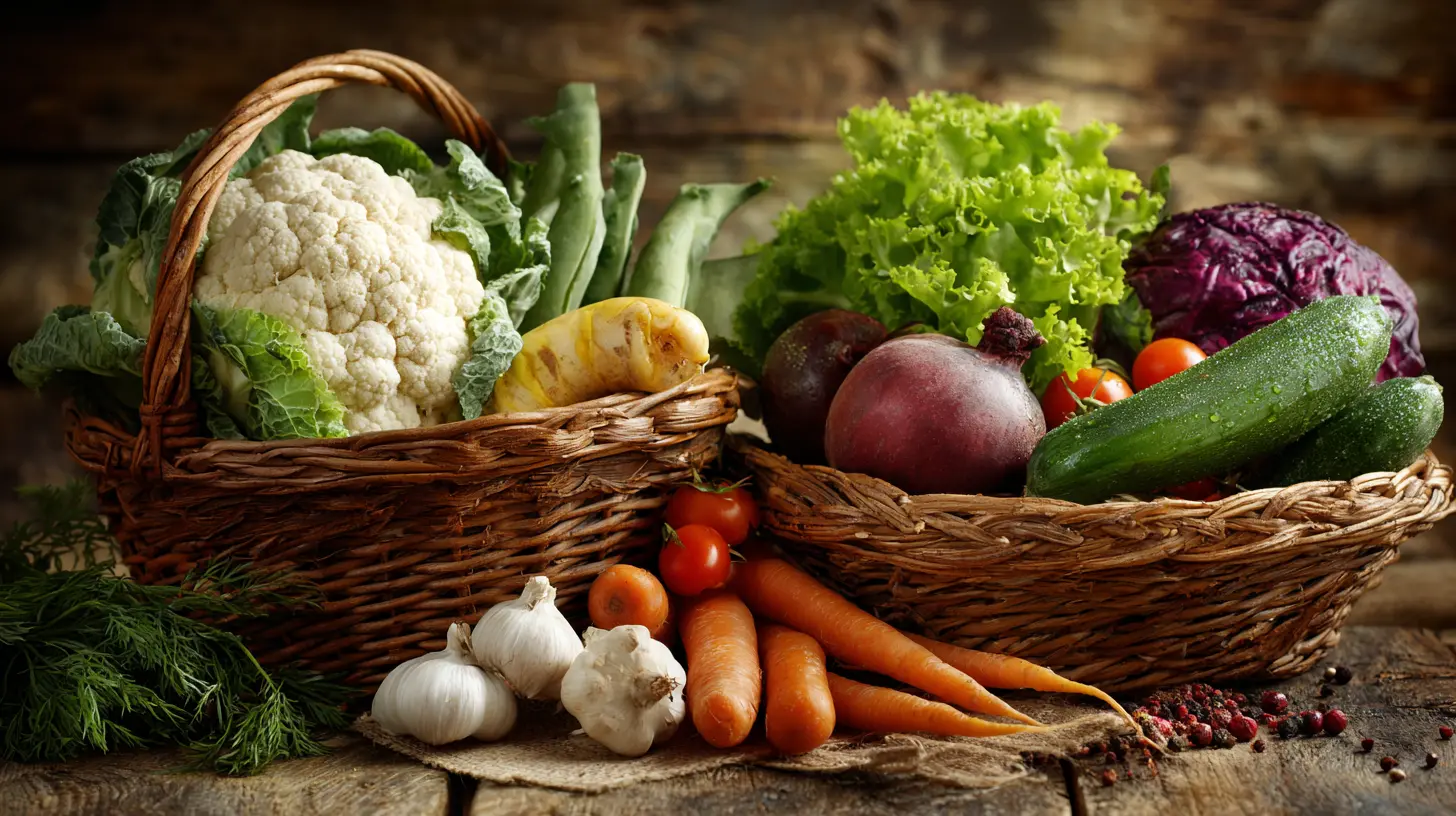
The Link Between Diet and Fertility
We all know that junk food isn’t great for overall health, but did you know it can also mess with your reproductive system? Your body relies on a delicate balance of hormones to regulate ovulation, sperm production, and pregnancy.When your diet is packed with processed foods, pesticides, and artificial hormones, it can throw that balance out of whack. On the flip side, nutrient-dense, organic foods can nourish your body and create the perfect environment for conception.
Why Organic Foods Matter
Organic foods are grown without synthetic pesticides, herbicides, or genetically modified organisms (GMOs). This is crucial when trying to conceive because many of these chemicals have been linked to hormone disruption and fertility issues.Here’s why going organic might be the fertility boost you need:
- Avoiding harmful pesticides – Many pesticides act as endocrine disruptors, meaning they interfere with your hormones. Studies suggest that high pesticide exposure can decrease sperm quality and lower egg count.
- Reducing hormone exposure – Conventionally raised meat and dairy products often contain artificial hormones that can impact your estrogen and testosterone levels, making conception harder.
- Boosting fertility-friendly nutrients – Organic foods often have higher levels of antioxidants, vitamins, and minerals, all of which support reproductive health.
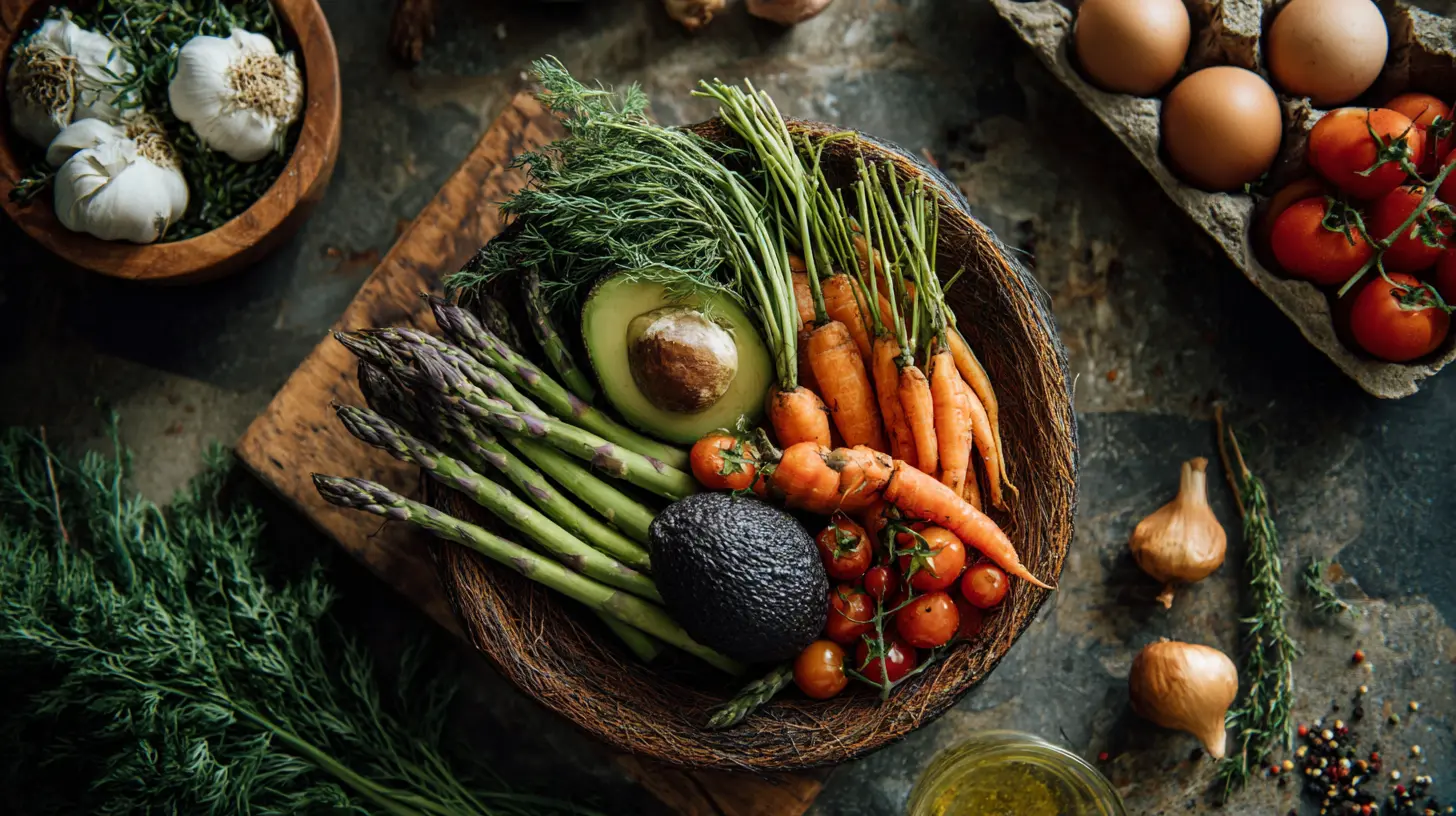
How Organic Foods Affect Female Fertility
For women, hormone health plays a critical role in fertility. If your hormones are out of balance, ovulation can become irregular or stop altogether. That’s why eating hormone-friendly foods is essential.Foods That Boost Female Fertility
1. Organic Leafy Greens – Spinach, kale, and Swiss chard are rich in folate, a key nutrient for ovulation and embryo development.2. Organic Berries – Blueberries, raspberries, and strawberries are packed with antioxidants that help protect eggs from oxidative stress.
3. Healthy Fats – Avocados, nuts, and seeds provide essential fatty acids that help regulate hormones.
4. Organic Whole Grains – Brown rice, quinoa, and oats maintain stable blood sugar levels, reducing the risk of insulin resistance, which can affect ovulation.
5. Organic Dairy (In Moderation) – Studies suggest that full-fat dairy may actually improve fertility while low-fat dairy can have the opposite effect.
Foods to Avoid
- Non-Organic Produce with High Pesticide Residues – Strawberries, spinach, and apples are part of the "Dirty Dozen," meaning they contain high levels of pesticide residues if not organic.- Trans Fats – Found in many processed foods, trans fats can increase the risk of ovulatory infertility.
- Excess Sugar – Too much sugar can lead to insulin resistance, which disrupts hormone balance and ovulation.
- Processed Meats – Non-organic meats often contain antibiotics and hormones that may negatively affect fertility.
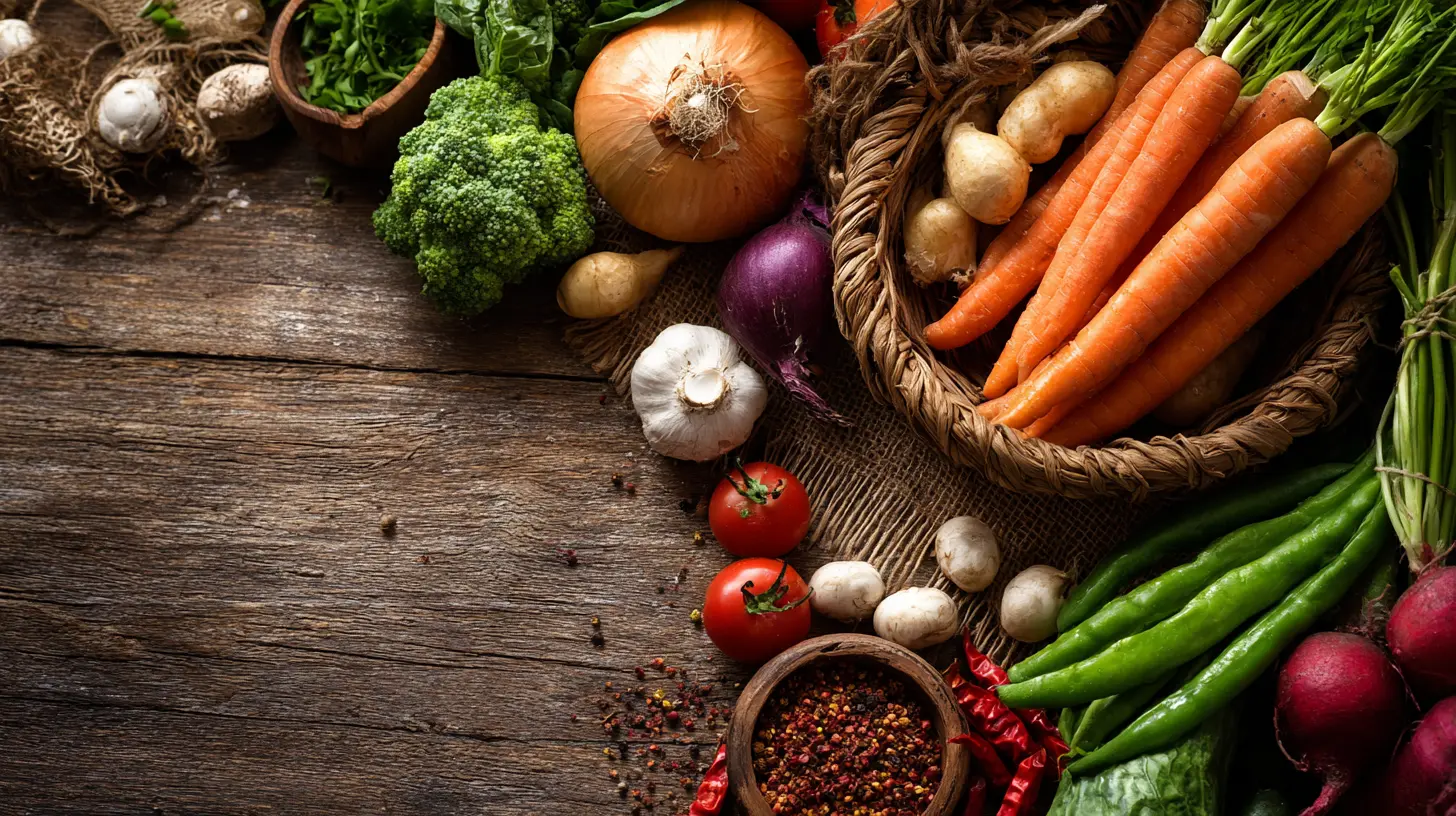
How Organic Foods Affect Male Fertility
Men’s fertility is just as important as women’s, and diet plays a major role in sperm health. Poor nutrition can lead to low sperm count, poor motility, and abnormal sperm shape—all of which reduce the chances of conception.Foods That Improve Sperm Health
1. Organic Nuts and Seeds – Walnuts, flaxseeds, and pumpkin seeds are high in omega-3 fatty acids, which improve sperm motility.2. Organic Tomatoes – Rich in lycopene, an antioxidant known to boost sperm quality.
3. Organic Leafy Greens – Just like in women, folate from leafy greens improves sperm count and reduces DNA damage.
4. Organic Eggs – Loaded with protein and choline, which is crucial for sperm development.
5. Dark Chocolate (In Moderation) – Contains L-arginine, an amino acid that can enhance sperm production.
Foods to Avoid
- Processed Foods – These often contain preservatives and unhealthy fats that can lower sperm quality.- Excess Alcohol – Heavy drinking has been linked to reduced testosterone and lower sperm production.
- Soy-Based Products – In large amounts, soy may mimic estrogen and reduce sperm count.
- Non-Organic Dairy – Hormones and antibiotics in conventional dairy can disrupt testosterone levels.
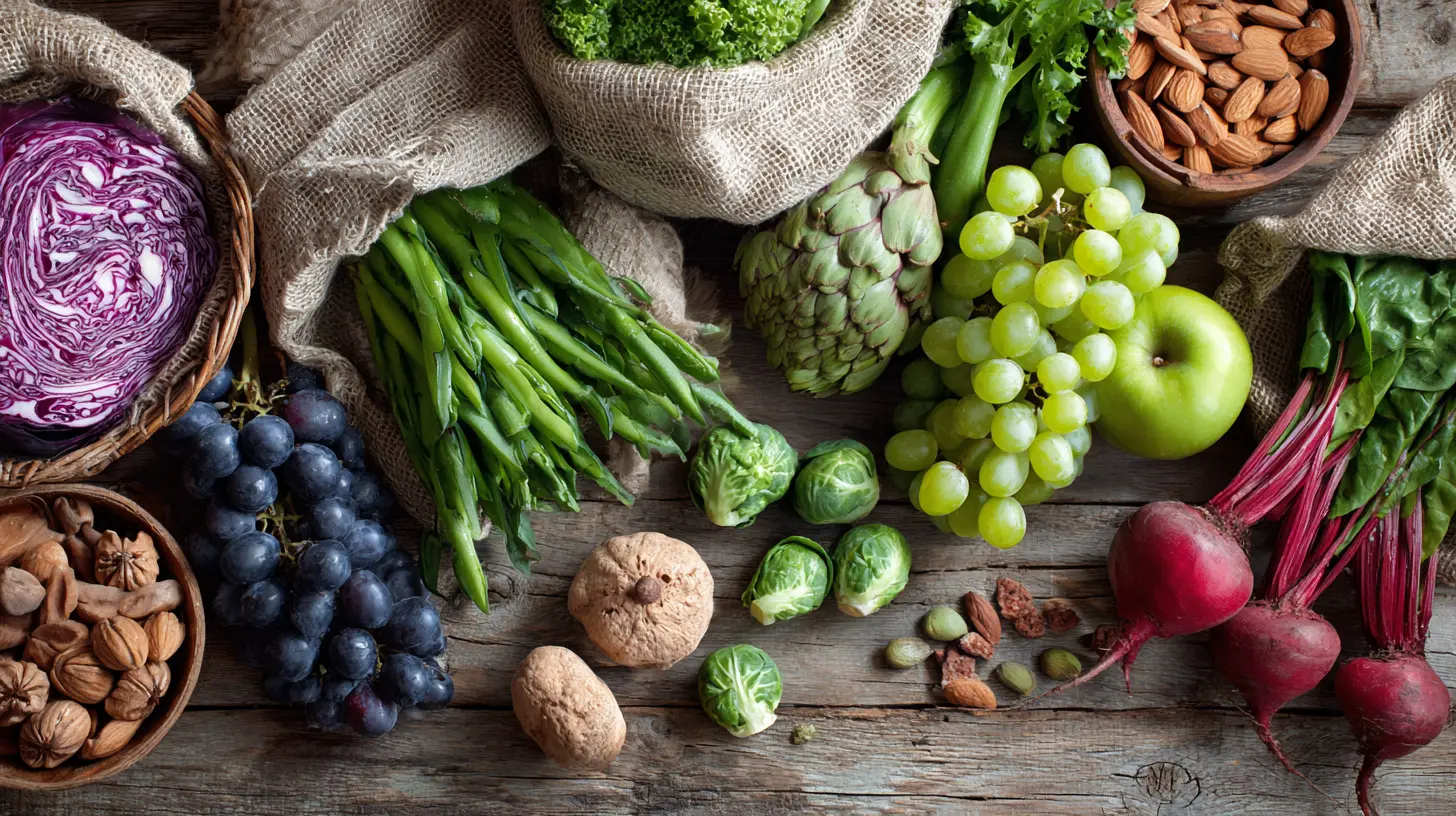
The Role of Gut Health in Fertility
We often overlook gut health when discussing fertility, but it plays a crucial role. A healthy gut microbiome ensures better nutrient absorption, balanced hormones, and reduced inflammation—all of which are vital for conception.How to Support Gut Health for Fertility
- Eat fermented foods like organic yogurt, sauerkraut, and kimchi to promote healthy gut bacteria.- Get plenty of fiber from organic vegetables, fruits, and whole grains to support digestion.
- Avoid excessive antibiotics, as they can wipe out good bacteria and harm hormone balance.
Making the Switch to Organic Without Breaking the Bank
Going fully organic can be expensive, but you don’t have to change everything overnight. Focus on the most important swaps first.Prioritize These Organic Foods
1. The Dirty Dozen – Stick to buying organic for produce with the highest pesticide residues (like strawberries, spinach, and apples).2. Dairy and Meat – If you eat animal products, organic is crucial to avoid added hormones and antibiotics.
3. Grains and Legumes – Go for organic rice, oats, and beans to reduce pesticide intake.
Budget-Friendly Tips
- Buy organic in bulk to save money.- Shop at farmers' markets for local organic produce.
- Grow your own organic herbs and vegetables at home.
- Look for store brands offering organic options at lower prices.
Final Thoughts
Fertility is complex, and there’s no magic food that guarantees pregnancy. However, what you eat plays a big role in hormone balance, egg and sperm health, and your overall reproductive system.Switching to organic foods can reduce harmful chemicals, support gut health, and provide essential nutrients that boost fertility. While it may require some lifestyle adjustments, the benefits to your reproductive health (and overall well-being) make it worth considering.
So, if you're trying to conceive, why not start by cleaning up your diet? After all, food is more than just fuel—it's the building block of life itself.
all images in this post were generated using AI tools
Category:
Organic FoodsAuthor:

Laurie Barlow
Discussion
rate this article
2 comments
Zachary Mullen
The article effectively highlights the connection between organic foods and fertility. It underscores how nutrients in organic produce may support reproductive health, emphasizing the importance of dietary choices for those trying to conceive.
May 19, 2026 at 3:26 PM
Laurie Barlow
I'm glad you found the article insightful! It's crucial to recognize how our dietary choices can impact fertility. Thank you for your feedback!
Wolf Jones
Eating organic foods may support fertility by reducing exposure to harmful chemicals and promoting overall health. Every little choice counts.
May 7, 2026 at 4:40 AM