Organic Dairy: Is It Worth the Investment?
10 May 2026
Milk, cheese, yogurt—these dairy staples have been around for centuries, nourishing generations. But in recent years, a debate has emerged: Is organic dairy really worth the extra money? We see the organic label everywhere, but does it actually make a difference? Or is it just another marketing gimmick? Let’s dive deep into the world of organic dairy to see if it’s worth the investment for your health, the environment, and animal welfare. 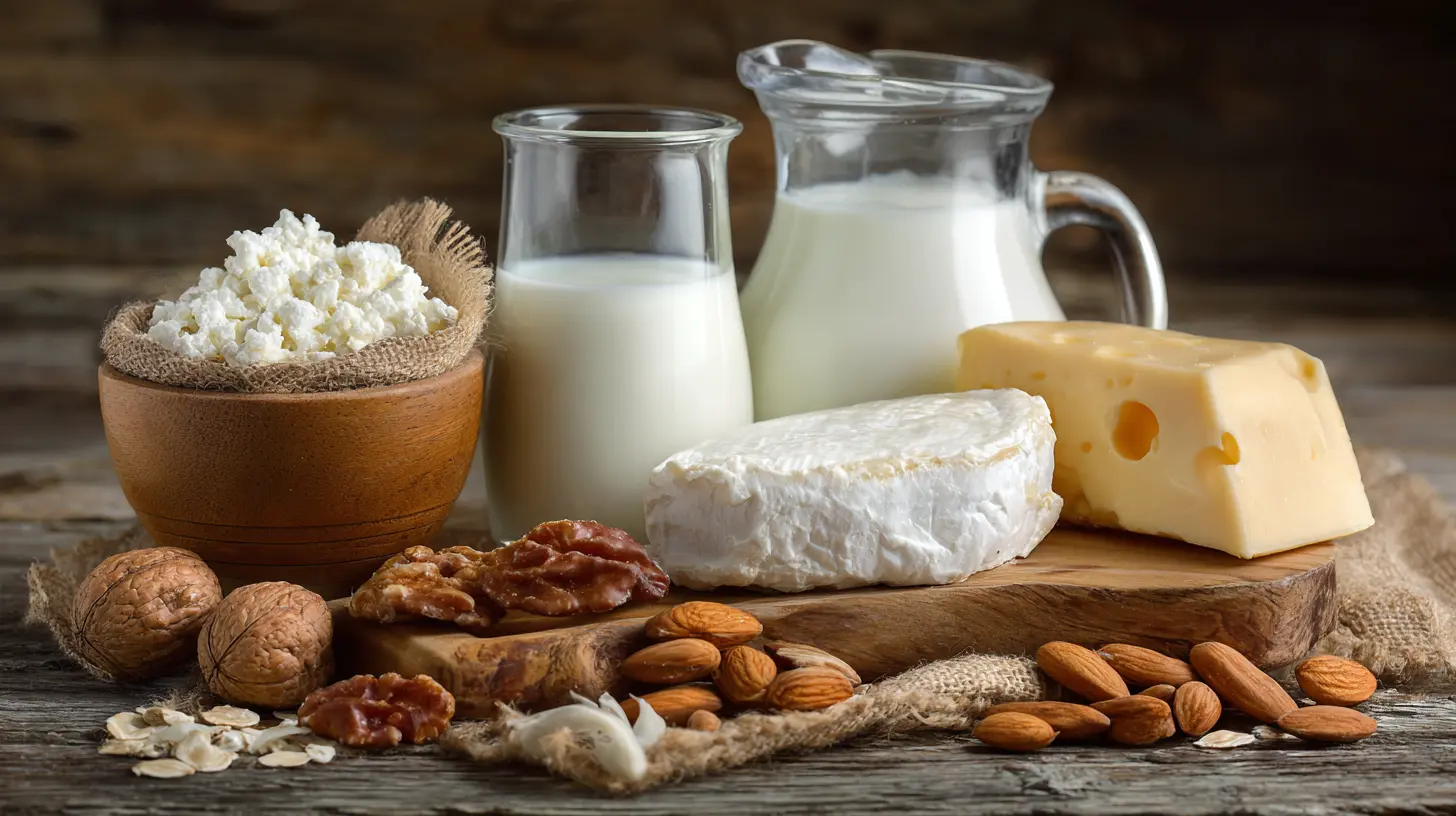
What is Organic Dairy?
Before we decide if organic dairy is worth it, let's first understand what qualifies as "organic." Organic dairy products come from cows that are raised following strict standards set by organizations like the USDA (United States Department of Agriculture). These standards include:- No artificial hormones or antibiotics
- Cows raised on organic pasture for a minimum of 120 days per year
- No genetically modified organisms (GMOs) in their feed
- No synthetic pesticides or fertilizers used on the pasture
Essentially, organic dairy farming focuses on natural and sustainable practices, ensuring that the milk you get is free from harmful chemicals and additives. 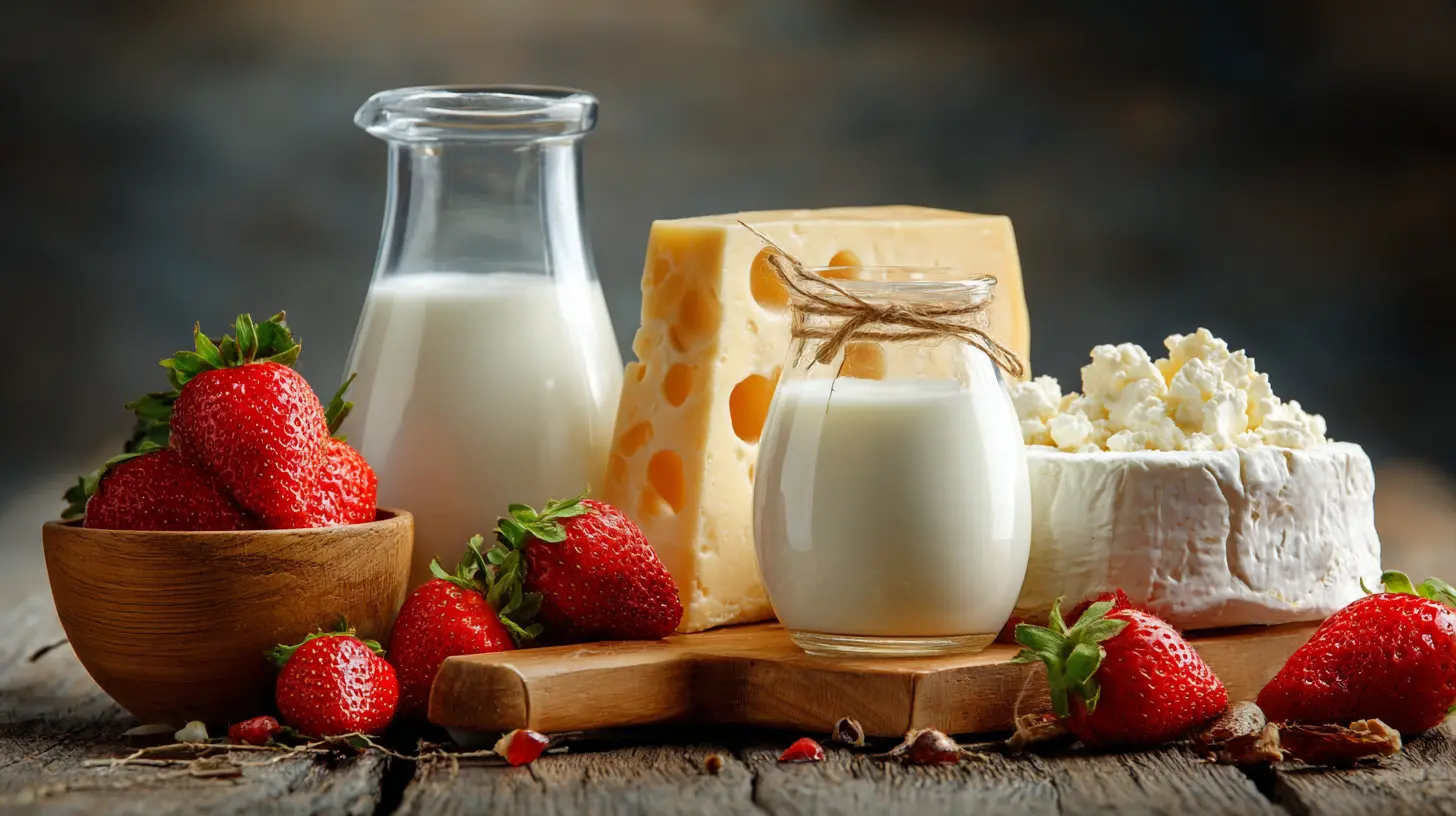
Health Benefits of Organic Dairy
One of the biggest reasons people choose organic dairy is because of the perceived health benefits. But are these claims backed by science? Let’s break it down.Higher Nutrient Content
Studies suggest that organic milk has higher levels of omega-3 fatty acids, which are essential for heart and brain health. Omega-3s help reduce inflammation and support cognitive function. Additionally, organic milk tends to contain more antioxidants, such as vitamin E and beta-carotene, which boost immunity.Fewer Pesticides and Antibiotics
Conventional dairy farming often uses synthetic pesticides and antibiotics, which can find their way into milk. Over time, consuming even small traces of these chemicals may contribute to health issues, including antibiotic resistance. Organic standards prohibit the use of these substances, reducing potential health risks.No Artificial Hormones
Many commercial dairies use growth hormones like rBGH (recombinant bovine growth hormone) to increase milk production. Some studies have linked these hormones to an increased risk of certain cancers and early puberty in children. Organic dairy is free from artificial hormones, making it a safer choice.
Environmental Impact of Organic Dairy
Choosing organic dairy doesn’t just affect your health—it also plays a role in environmental sustainability. Conventional dairy farming can be harsh on the planet, but organic practices aim to minimize harm.Better Soil and Water Quality
Organic dairy farms avoid synthetic pesticides and fertilizers, which helps maintain healthier soil. Healthy soil leads to better water retention, reducing the risk of pollution in nearby rivers and lakes.Lower Greenhouse Gas Emissions
While all cattle farming releases methane (a potent greenhouse gas), organic farms often use sustainable practices like rotational grazing. This method allows soil to absorb more carbon dioxide, offsetting emissions and contributing to a healthier planet.Improved Biodiversity
Organic farms tend to support a more diverse ecosystem. Without synthetic chemicals, beneficial insects, birds, and plant life can thrive, promoting a balanced natural environment.
Animal Welfare in Organic Dairy Farming
Animal welfare is another significant factor when considering organic dairy. Many people are concerned about the treatment of cows in large-scale farming operations, and organic dairy aims to address these concerns.More Access to Pasture
Organic dairy cows must have access to pasture for at least 120 days per year. This means they can graze in open fields rather than being confined to small stalls. Happier cows often lead to better-quality milk.No Overuse of Antibiotics
In conventional dairy farms, cows are sometimes routinely given antibiotics to prevent illness. This overuse can lead to antibiotic-resistant bacteria, a growing global concern. Organic standards prohibit unnecessary antibiotic use, ensuring that cows are only treated when absolutely necessary.Ethical Treatment
Organic farms must follow more humane animal husbandry practices. This includes providing cows with clean environments, nutritious diets, and proper veterinary care. If you care about the ethical treatment of animals, organic dairy is a step in the right direction.Is Organic Dairy Worth the Higher Price?
This is the big question: Is organic dairy worth the extra money? Organic milk and cheese often cost 50-100% more than conventional versions, making people wonder if they’re really getting their money’s worth.Pros of Investing in Organic Dairy:
✔ Healthier choice: Fewer chemicals, no artificial hormones, and higher nutrient levels✔ Better for the environment: Supports sustainable farming practices
✔ Ethical treatment of animals: Organic farms have higher welfare standards
Cons of Organic Dairy:
✘ More expensive: Not everyone can justify the higher price✘ Limited availability: Some areas have fewer organic dairy options in stores
✘ Shorter shelf life: Without added preservatives, organic dairy products may expire faster
Ultimately, the decision depends on your priorities. If you value clean eating, environmental sustainability, and animal welfare, organic dairy is a worthy investment. But if budget constraints are a significant factor, conventional dairy (preferably from small, local farms) can still be a good choice.
Tips for Choosing the Best Dairy Products
If you're considering organic dairy but don’t know where to start, here are a few tips to make the best choice:1. Look for Certifications – USDA Organic and other trusted organic certifications ensure you're getting genuine organic products.
2. Check the Ingredients – Avoid milk or dairy products with unnecessary additives, preservatives, or artificial flavors.
3. Prioritize Local Farms – Sometimes, local farms follow organic practices but lack certification due to the high cost of obtaining it. Buying local can be just as good, if not better.
4. Compare Prices – If fully organic dairy is too expensive, look for alternatives like pasture-raised dairy, which still offers better quality than factory-farmed options.
The Bottom Line
So, is organic dairy worth the investment? That depends on your personal values, budget, and priorities. If you’re looking for a cleaner, more nutritious option that supports the environment and ethical farming, organic dairy is a great choice. However, if cost is a concern, choosing local, minimally processed dairy can still be a good alternative.At the end of the day, every milk carton you buy is a small vote for the kind of food system you want to support. Whether you choose organic or conventional, being an informed consumer is the most important step.
all images in this post were generated using AI tools
Category:
Organic FoodsAuthor:

Laurie Barlow
Discussion
rate this article
2 comments
Lulu McElroy
What a thoughtful exploration of organic dairy! It's great to see a focus on how our food choices impact health and the environment. Every decision counts, and this article sheds light on the benefits and considerations. Thanks for sharing valuable insights that help us make informed choices for our families!
May 30, 2026 at 3:18 AM
Laurie Barlow
Thank you for your thoughtful feedback! I'm glad you found the article enlightening. Making informed choices is key, and I'm happy to contribute to that conversation.
Vanya West
Great points! Organic dairy truly makes a difference for health.
May 11, 2026 at 4:17 AM
Laurie Barlow
Thanks! I'm glad you found the points valuable. Organic dairy really can have a positive impact on health.