Low-Sodium Choices for a Healthier Heart
11 August 2026
When it comes to a healthy heart, sodium isn't always your best friend. In fact, it’s often enemy #1 if you're trying to keep your blood pressure in check. Most of us don’t realize how much sodium we’re actually eating—until a doctor gives us a wake-up call. But don’t worry, eating low-sodium doesn’t mean sacrificing flavor or giving up all your favorite foods. It just means making smarter choices.
In this article, we’re going to walk you through some tasty, heart-friendly alternatives and give you the lowdown on how to keep sodium levels low without driving yourself crazy. Let’s rock your heart health—one low-sodium bite at a time.
Why Sodium Matters For Heart Health
We all need a little sodium. It helps balance fluids in our body and keeps our muscles and nerves working properly. But too much? That’s when the trouble starts. High sodium intake causes the body to retain water, which puts extra pressure on blood vessels. Over time, this raises your blood pressure, damages arteries, and dramatically boosts your risk of heart disease and stroke.Quick Stats:
- The American Heart Association recommends no more than 2,300 mg of sodium per day. Ideal? Closer to 1,500 mg.
- The average American consumes over 3,400 mg daily. Yikes.
So, if you’re serious about heart health, trimming your sodium intake is a smart first step.
Where Is All The Sodium Hiding?
Here’s the kicker: most sodium doesn't even come from the salt shaker. It’s already packed into processed foods and restaurant meals. In fact, over 70% of the sodium we take in comes from stuff like:- Canned soups
- Deli meats
- Frozen dinners
- Sauces and condiments
- Cheese
- Breads and baked goods
Sneaky, right?
Low-Sodium Eating: The Basics
Alright, let’s talk game plan. Eating low-sodium doesn’t have to be complicated. It’s all about making some swaps and being a little more label-savvy. Here are the golden rules:1. Read Labels Like a Pro
Grab those glasses, because it’s time to examine nutrition labels. Look for foods labeled:- Low-sodium (140 mg or less per serving)
- Very low-sodium (35 mg or less)
- Sodium-free (fewer than 5 mg)
Keep an eye out for hidden sodium terms too, like monosodium glutamate (MSG), baking soda, sodium nitrate/nitrite, and disodium phosphate.
2. Cook More At Home
When you cook at home, you're the boss. You control what goes into your food. Use fresh ingredients, skip the salt during cooking, and season with fresh herbs, garlic, lemon juice, or vinegar instead.3. Limit Processed and Takeout Foods
Frozen meals, fast food, and store-bought sauces are usually loaded with sodium. These should be “occasional treats,” not daily go-tos.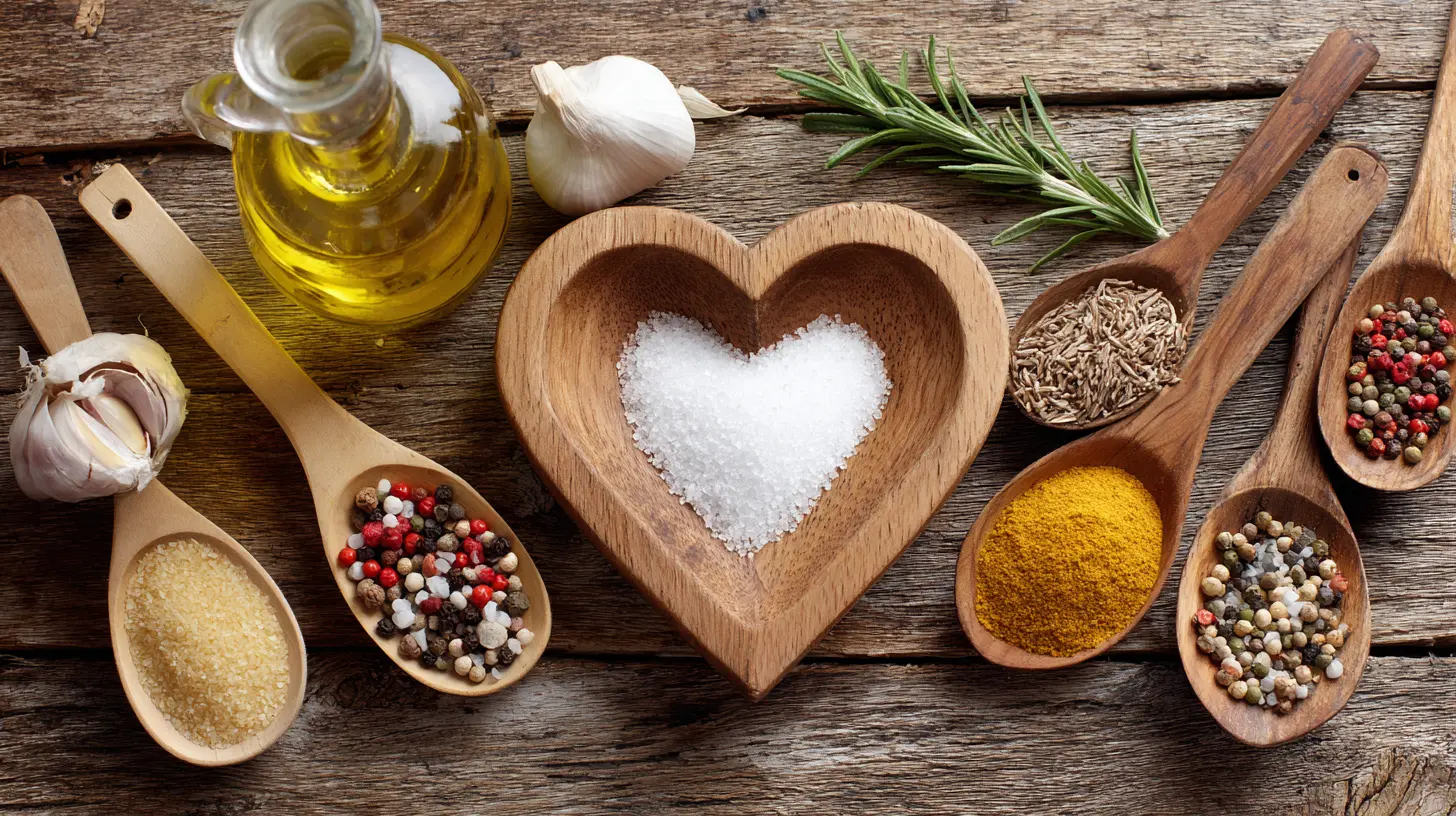
15 Low-Sodium Food Swaps That Actually Taste Great
Ready to shake up your menu? Let’s dive into easy swaps that cut sodium and boost flavor.1. Swap Deli Meat for Fresh Chicken or Turkey
Instead of salty ham or processed cold cuts, roast your own chicken or turkey breast. Slice it thin and use it in sandwiches or salads.2. Choose No-Salt-Added Canned Veggies
Regular canned veggies are swimming in salt. Go for “no salt added” versions, or rinse them under water before using to remove some of the sodium.3. Use Herbs Instead of Salt
Fresh or dried herbs like basil, oregano, rosemary, thyme, or dill pack a punch without the salt. Garlic and onion powders (not salts!) are flavorful too.4. Pick Low-Sodium Broths
Soups and stews can still be cozy and comforting. Just use a low- or no-sodium broth as your base and season with spices.5. Replace Soy Sauce with Low-Sodium Tamari or Coconut Aminos
Soy sauce is one of the saltiest sauces in the game. Try a reduced-sodium version or switch to coconut aminos for a similar flavor with way less salt.6. Snack Smart: Unsalted Nuts Over Chips
Chips are salty traps. Go for unsalted almonds, walnuts, or even air-popped popcorn with a sprinkle of nutritional yeast for a cheesy flavor minus the sodium.7. Choose Fresh Cheese or Low-Sodium Options
Cheese lovers, don’t fret. Swap aged cheeses like cheddar or feta for mozzarella or Swiss, which are lower in sodium. Or go with a small portion of low-sodium varieties.8. Make Your Own Salad Dressing
Skip bottled dressings—they’re sneaky salt bombs. Whip up your own with olive oil, vinegar, lemon juice, and fresh herbs.9. Try Whole Grains Over Flavored Rice Mixes
Flavored rice and pasta sides are often high in sodium. Opt for plain brown rice, quinoa, or farro and add your own herbs and spices.10. Choose Sodium-Free Seasoning Blends
Look for spice blends labeled “salt-free” or make your own with paprika, cumin, chili powder, and other spices from your rack.11. Swap Pickles With Fresh Veggies or Low-Sodium Pickles
Pickled foods are high in sodium by nature. If you love that tang, try making your own with vinegar and spices, or buy low-sodium versions.12. Go for Fresh or Frozen Meat, Not Cured
Processed meats like bacon, sausage, hot dogs, and ham are sodium bombs. Stick to fresh cuts and prepare them at home.13. Bake Without Baking Soda or Baking Powder
These leavening agents contain sodium. While it’s a bit technical, there are low-sodium baking powders on the market—or you can use alternatives like whipped egg whites in some recipes.14. Drink Water or Infused Water Instead of Sports Drinks
Sports drinks and sodas? Loaded with sodium and sugar. Infuse your water with cucumber, citrus, or berries for a fun twist.15. Choose Fresh Seafood Over Canned or Smoked
Canned and smoked seafood can be salty. Fresh or frozen (plain, not pre-seasoned) fish or shellfish is your friend here.Easy Low-Sodium Meal Ideas
Need some low-sodium inspiration? We’ve got you covered.Breakfast:
- Oatmeal with fresh fruit, cinnamon, and chopped nuts- Scrambled eggs with spinach, tomatoes, and no-salt seasoning
Lunch:
- Grilled chicken wrap with avocado, lettuce, and homemade yogurt dressing- Quinoa bowl with roasted veggies, olive oil, and lemon juice
Dinner:
- Baked salmon with garlic green beans and sweet potatoes- Stir-fry with tofu, broccoli, bell peppers, and coconut aminos over brown rice
Snacks:
- Fresh fruit- Unsalted nuts or seeds
- Greek yogurt with berries
- Veggie sticks with hummus (check for low-sodium options or make it yourself!)
Tips to Keep Sodium Low on a Busy Schedule
Life’s busy—we get it. Here are a few hacks to stay on track without spending hours in the kitchen.1. Meal Prep Sundays
Set aside an hour or two each week to prep proteins, chop vegetables, and portion out meals. Future-you will thank you.2. Freeze It for Later
Double recipes and freeze leftovers. That way, you always have something hearty on hand that isn’t packed with sodium.3. Use a Meal Tracker
Apps like MyFitnessPal or Cronometer can help you keep tabs on sodium intake and flag surprise sources of salt.4. Keep It Simple
You don’t need fancy recipes. A grilled piece of meat, a whole grain, and a couple of roasted veggies go a long way.Can You Lower Blood Pressure Just by Cutting Sodium?
Honestly? Yes! Reducing sodium often leads to a noticeable drop in blood pressure, even within a few weeks. Especially if you follow it up with other heart-smart habits like regular exercise, managing stress, and eating more potassium-rich foods (hello, bananas, sweet potatoes, and leafy greens!).It won’t solve everything overnight, but every small change adds up. Your heart is like your car—you’ve only got one, so treat it like the supercar it is.
Final Thoughts
You don’t have to live in a bland, saltless world to protect your heart. With a few smart swaps and a pinch of creativity, low-sodium eating can be tasty, satisfying, and totally doable—even on a tight schedule. So start small: check some labels, cook a meal at home tonight, and learn to love the flavor of fresh, real food.Your heart will be happier—and you might just feel better, lighter, and more energized, too.
all images in this post were generated using AI tools
Category:
Healthy ChoicesAuthor:

Laurie Barlow