Injury Prevention Through Safe and Effective Yoga Alignment
1 May 2026
Yoga is a beautiful practice that strengthens the body, calms the mind, and nurtures the soul. But let’s be real—nothing kills the Zen vibe faster than an unexpected injury. Whether you're a seasoned yogi or just starting, proper alignment is the secret sauce to reaping yoga’s benefits while keeping injuries at bay.
So, how do you ensure that your downward dog doesn’t turn into a downward disaster? Let’s dive into the world of safe and effective yoga alignment!
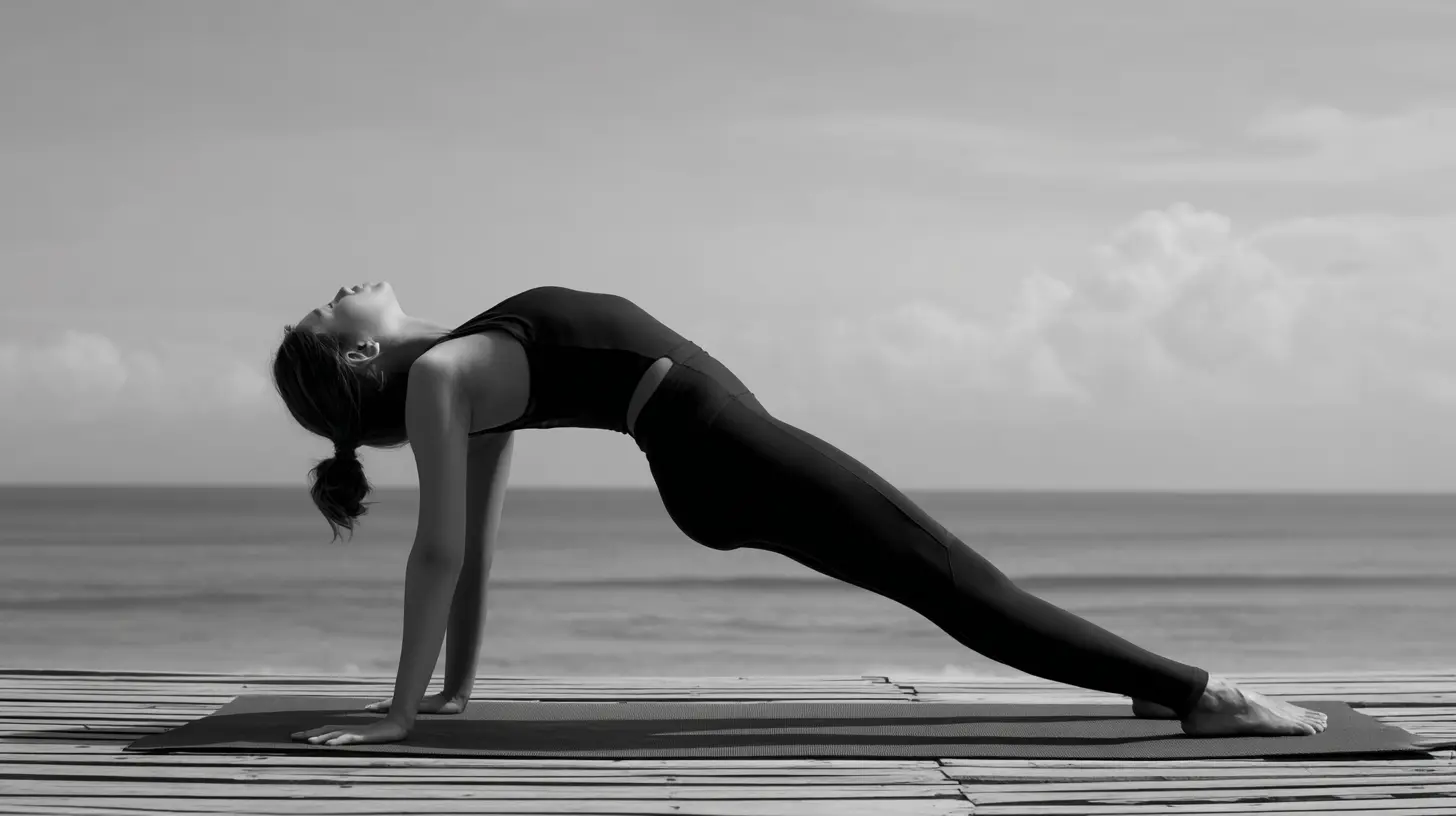
Why Alignment Matters in Yoga
Think of alignment as the foundation of a house. You wouldn’t want to live in a house built on shaky ground, right? The same applies to your yoga practice. When your body is aligned correctly, you:✅ Reduce the risk of injuries
✅ Improve balance and stability
✅ Enhance muscle engagement
✅ Prevent unnecessary strain on joints
✅ Deepen your practice safely
Poor alignment, on the other hand, is like driving a car with misaligned tires—sooner or later, something's gonna give. 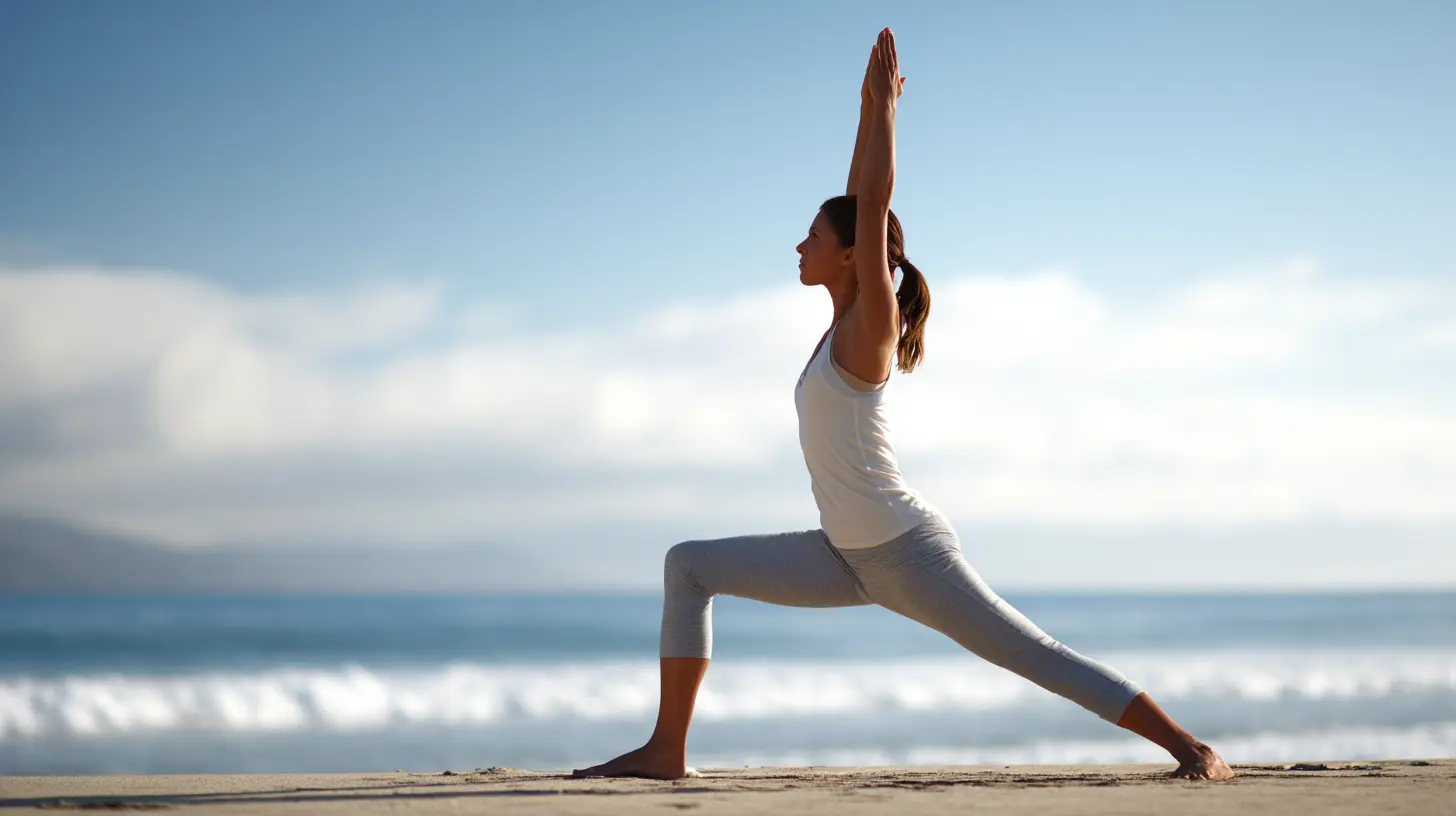
Common Yoga Injuries (And How to Avoid Them)
Before we talk solutions, let’s address the boogeymen of bad alignment—the most common yoga injuries. These can be caused by poor posture, lack of awareness, or simply pushing too hard.1. Wrist Strain and Pain
Ever feel like your wrists are taking a beating in poses like plank and downward dog? That’s because they might be bearing too much weight.? How to Prevent It:
- Spread your fingers wide and press through the entire hand, not just the wrists.
- Engage your core and shoulders to distribute the weight evenly.
- Use yoga blocks to modify poses until you build strength.
2. Lower Back Pain
Nothing ruins the post-yoga bliss like nagging back pain. This usually happens when you overarch or collapse your lower back.? How to Prevent It:
- Engage your core to support your spine.
- Keep a neutral pelvis—don’t stick your booty out too much!
- Avoid rounding your lower back in forward bends; keep a micro-bend in your knees if needed.
3. Knee Injuries
Your knees are delicate, and incorrect alignment can put unnecessary strain on them, especially in deep lunges and lotus poses.? How to Prevent It:
- Keep the knee stacked over the ankle in lunges.
- Engage your thigh muscles to protect the knee joint.
- If sitting in lotus feels painful, opt for a half-lotus or sit cross-legged instead.
4. Neck and Shoulder Tension
Ever leave a yoga class feeling like you just wrestled with a bear? That could be due to tension in your neck and shoulders.? How to Prevent It:
- Avoid shrugging your shoulders—keep them away from your ears.
- Keep your neck in line with your spine instead of craning it forward.
- In poses like headstand, distribute the weight through your forearms, not just your neck. 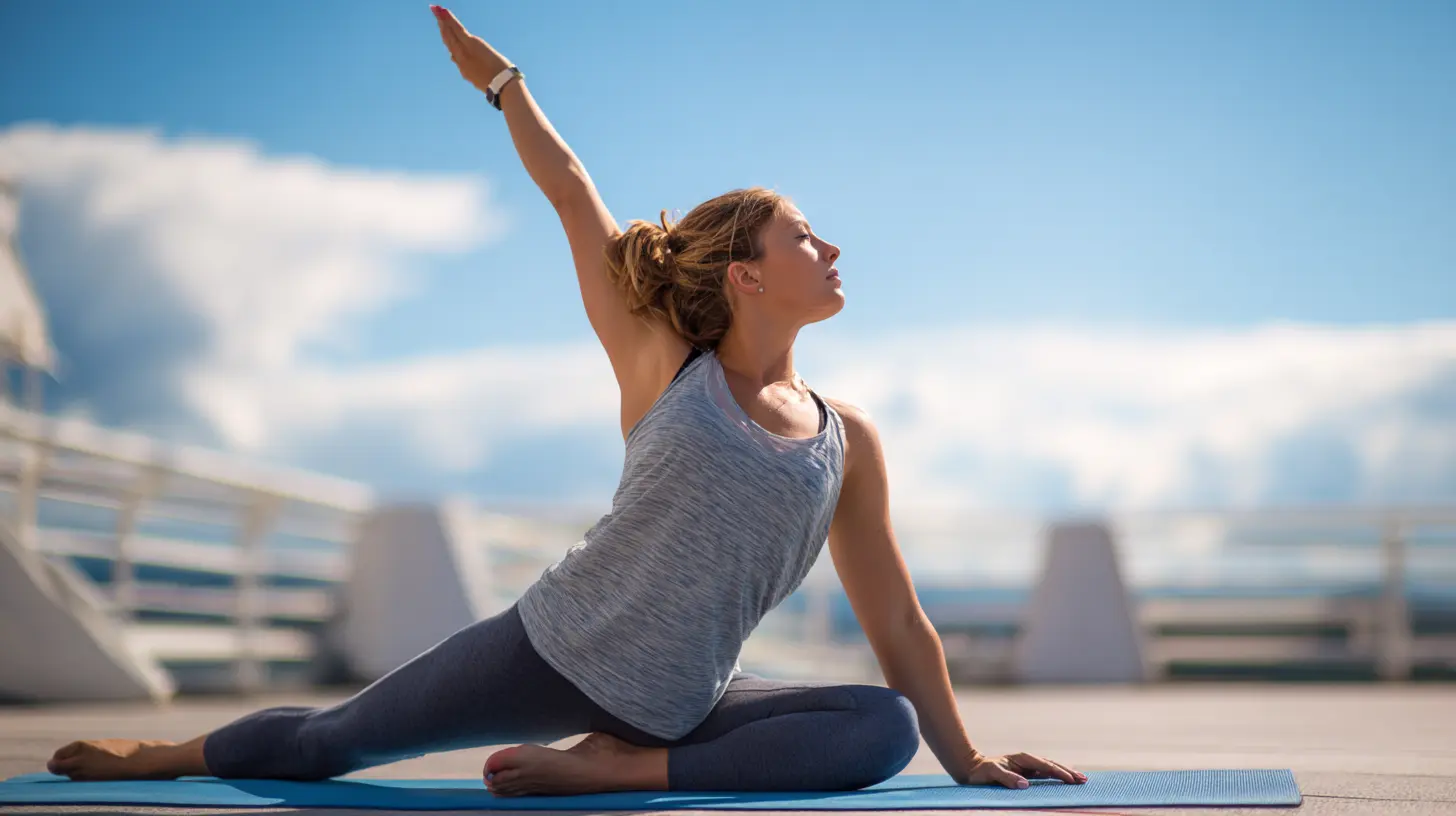
The Key to Injury Prevention: Safe and Effective Alignment
Now that we’ve covered common injuries, let’s break down how to maintain proper alignment in some of the most fundamental yoga poses.1. Mountain Pose (Tadasana) – The Blueprint of All Poses
Mountain pose may look simple, but it teaches proper alignment that carries into every other pose.✅ Stand tall with feet hip-width apart.
✅ Root down through all four corners of your feet.
✅ Engage your thighs and tuck in your lower ribs.
✅ Relax your shoulders away from your ears.
When in doubt, return to Tadasana—it’s the ultimate posture check-in!
2. Downward Dog (Adho Mukha Svanasana) – The All-Star Stretch
This pose can either feel amazing or like a total struggle. The key? Proper alignment.✅ Hands shoulder-width apart, fingers spread wide.
✅ Press into the palms and distribute weight evenly.
✅ Keep a slight bend in your knees if your hamstrings are tight.
✅ Engage your core to avoid dipping into your lower back.
3. Chaturanga Dandasana – The Sneaky Shoulder Destroyer
Chaturanga is an incredible strength-builder, but done wrong, it's a fast track to shoulder injuries.✅ Keep elbows tucked close to your ribs, not flaring out.
✅ Lower down in one straight line—don’t let your hips sag.
✅ Use your legs and core to support the movement.
✅ Modify by dropping to your knees if needed.
4. Warrior Poses (Virabhadrasana I, II, III) – Grounding Strength
Warriors are powerful poses, but poor alignment can lead to knee and hip issues.✅ Always keep your front knee stacked over the ankle.
✅ Engage your core to avoid overarching your lower back.
✅ Keep your back leg strong—don’t let it become lazy.
✅ In Warrior III, keep your hips square instead of letting one side drop.
5. Seated Forward Fold (Paschimottanasana) – Avoiding the Lower Back Trap
It’s tempting to force yourself into a deep forward fold, but that often leads to strained hamstrings and a rounded spine.✅ Keep your spine long instead of collapsing forward.
✅ Bend your knees slightly if needed.
✅ Lead with your chest, not your head.
6. Bridge Pose (Setu Bandhasana) – Safe Backbends
Backbends are amazing for flexibility, but done wrong, they can lead to lower back pain.✅ Press through your feet and lift with your thighs, not just your lower back.
✅ Keep your knees hip-width apart—don’t let them splay out.
✅ Engage your glutes and core for proper support. 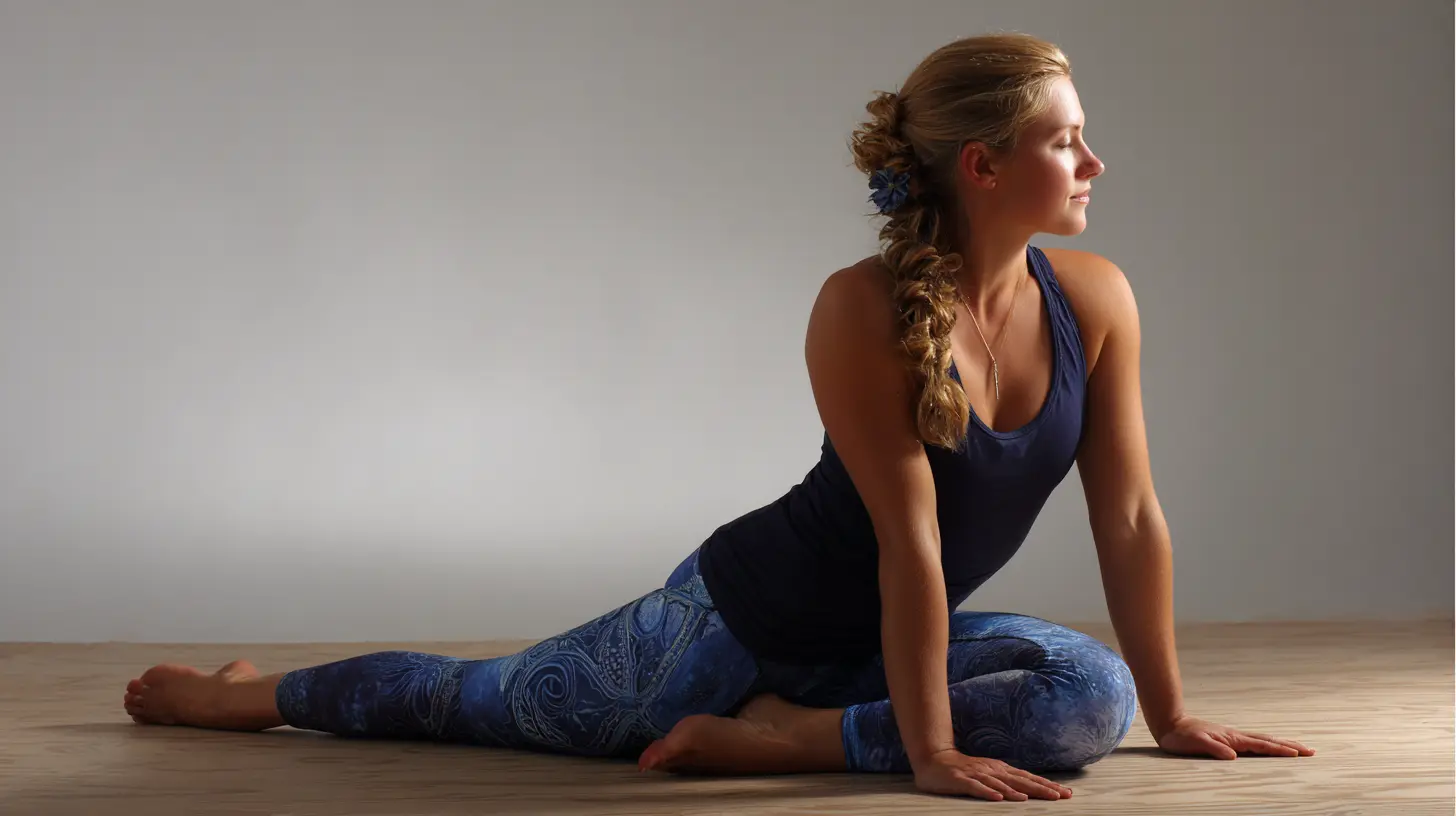
Bonus Tips for Injury-Free Yoga Practice
➡ Listen to Your Body – No pose is worth pain. If something doesn't feel right, adjust or skip it.➡ Use Props – Blocks, straps, and bolsters aren’t just for beginners. They help you maintain proper alignment without straining.
➡ Engage the Right Muscles – Activating the correct muscle groups prevents your joints from overcompensating.
➡ Warm Up Properly – Jumping straight into deep stretches without warming up is a recipe for injuries. Take your time!
➡ Breathe! – Holding your breath creates tension in the body. Deep, steady breathing helps you find ease in each pose.
Final Thoughts
Yoga is meant to heal, not harm. By prioritizing safe and effective alignment, you can build a sustainable practice that strengthens, energizes, and protects your body. Remember, yoga is not about nailing Instagram-worthy poses—it’s about moving in a way that feels good and keeps your body happy for years to come.So next time you step onto the mat, slow down, check in with your alignment, and most importantly, enjoy the journey. Your body will thank you!
all images in this post were generated using AI tools
Category:
YogaAuthor:

Laurie Barlow
Discussion
rate this article
2 comments
Zyana Adkins
Yoga: bend, don't break... or fall!
May 9, 2026 at 2:34 AM
Laurie Barlow
Absolutely! Prioritizing safe alignment is key to enjoying yoga without the risk of injury.
Patrick McCabe
This article is a valuable reminder of how proper alignment in yoga can protect our bodies. Thank you for sharing this important insight for our practice and well-being.
May 6, 2026 at 4:01 AM