Importance of Learning New Skills for Cognitive Flexibility
20 August 2026
We all love a well-functioning brain, don’t we? The ability to think clearly, solve problems, and adapt to new situations is what keeps us sharp and ahead in life. But here’s the thing—our brains are like muscles. If we don’t challenge them, they become sluggish, rigid, and, well... a little lazy. That’s where learning new skills comes into play.
Whether it’s picking up a new language, learning to play an instrument, or even mastering a new recipe, engaging in new activities strengthens cognitive flexibility. But what exactly is cognitive flexibility, and why does it matter so much? Let’s break it down.
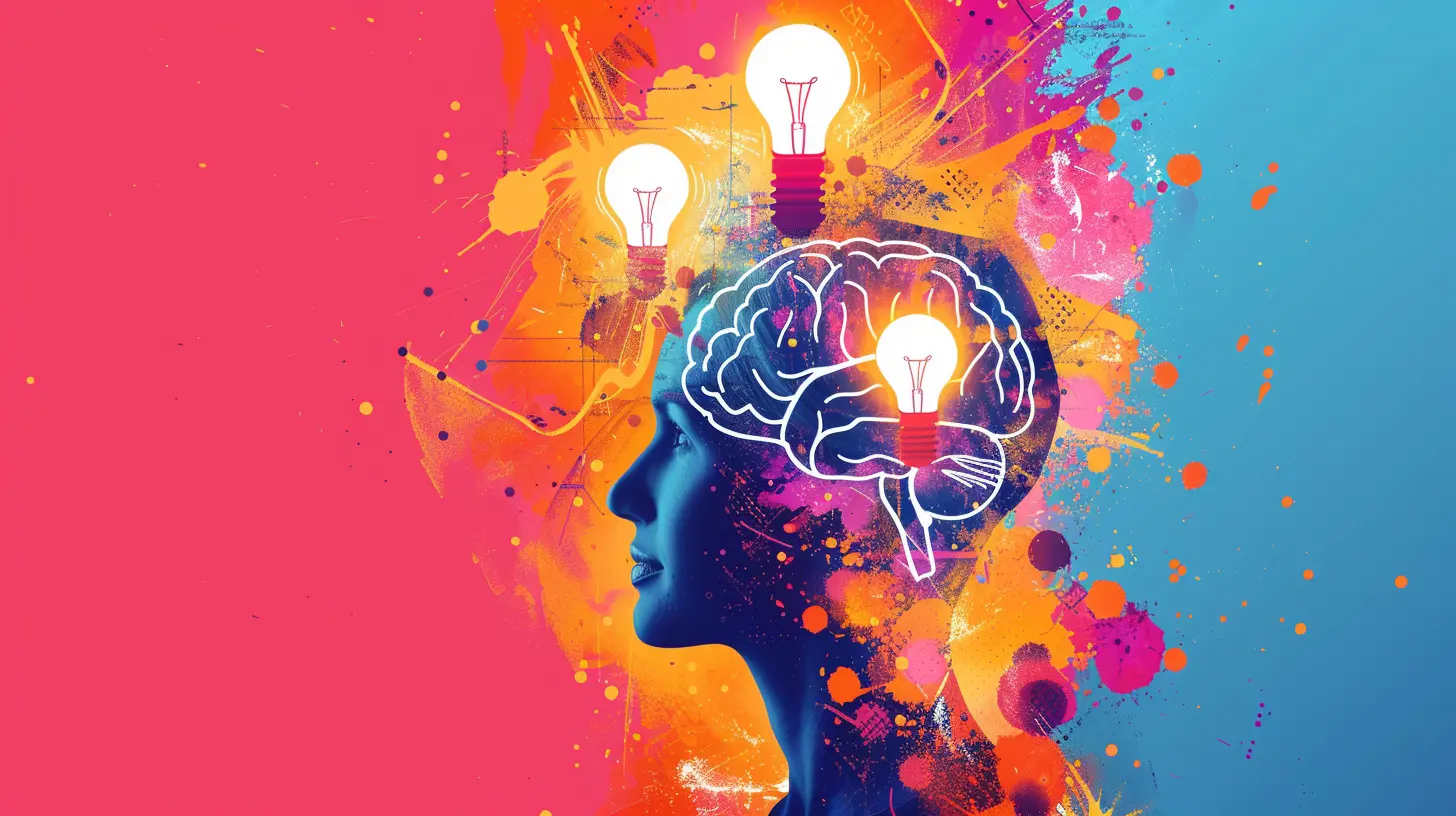
What is Cognitive Flexibility?
Cognitive flexibility is your brain's ability to adapt to new information, situations, or perspectives. Think of it like mental gymnastics—your ability to switch gears and think outside the box when needed.Ever had to switch from one task to another quickly? Or tried solving a problem in a new way? That’s cognitive flexibility in action! It allows us to adjust, revise, and rethink ideas, making us more efficient problem-solvers.
Why Does It Matter?
A rigid brain struggles with change. People with poor cognitive flexibility often feel stuck, struggle with multitasking, and find it hard to adapt to new situations. But when your brain is flexible, you can:- Think more creatively – New perspectives and problem-solving skills come naturally.
- Handle stress better – Instead of panicking, you adjust and find solutions.
- Make better decisions – You weigh options quickly and efficiently.
- Enhance memory retention – The more connections your brain makes, the stronger your recall.
So, how do you keep your brain agile? By continuously challenging it with new skills! 
How Learning New Skills Boosts Cognitive Flexibility
Every time you learn something new, your brain forms fresh neural pathways. It’s like adding more roads to the mental map of your mind, making it easier to navigate through different situations.1. Strengthens Neural Connections
When you practice a new skill, your brain forms new connections between neurons. These connections help improve overall brain function, making learning other things easier as well.For example, if you start learning a new language, research shows that your brain structures actually become denser, improving cognitive flexibility and even delaying the onset of dementia.
2. Enhances Problem-Solving Abilities
Ever tried learning to code or picked up a new board game? At first, it’s frustrating—you stumble, make mistakes, and feel like giving up. But as you persist, your brain slowly adapts. Each mistake teaches your brain a new way to think, improving critical thinking and problem-solving.3. Improves Adaptability
Life throws curveballs all the time. The more adaptable you are, the easier it is to navigate unexpected challenges. When you constantly expose yourself to new knowledge and skills, your brain gets better at adjusting to unfamiliar situations.For instance, someone who has learned multiple skills—like cooking, photography, or DIY home repairs—can easily adapt when faced with new tasks. Their brain is used to adjusting and finding solutions.
4. Increases Creativity
Creativity isn’t just for artists—it benefits everyone! Learning diverse skills exposes your brain to different ways of thinking, leading to more creative ideas and solutions.Ever notice how people who travel often seem more open-minded? It’s because they’re constantly learning from new cultures and experiences, which expands their perspectives and creative thinking.
5. Keeps Your Brain Young
Think of your brain like a car battery—if you don’t use it regularly, it starts to lose charge. Continuous learning keeps the brain engaged, reducing cognitive decline and lowering the risk of neurodegenerative diseases like Alzheimer’s.Studies show that people who engage in lifelong learning tend to have better memory and cognitive abilities as they age. So, learning isn’t just about personal growth—it’s an investment in your long-term brain health! 
The Best Skills to Learn for Cognitive Flexibility
Now that we know why learning new skills is essential, which skills provide the biggest brain boost? Here are a few worth considering:1. Learning a New Language
Mastering a second (or third) language forces your brain to juggle different grammatical structures, vocabulary, and sounds. Bilingual individuals have been found to have better cognitive flexibility and even a reduced risk of dementia.2. Playing a Musical Instrument
Music engages multiple areas of the brain, improving memory, coordination, and problem-solving skills. Whether it’s the guitar, piano, or ukulele, picking up an instrument enhances cognitive function tremendously.3. Learning to Code
Coding is like solving a puzzle—it requires logic, creativity, and problem-solving. As you write and debug code, your brain strengthens its ability to think critically and adapt to new challenges.4. Practicing Mindfulness & Meditation
While this isn’t a “skill” in the traditional sense, mindfulness enhances cognitive flexibility by improving focus and reducing stress. A calm mind adapts better to change and retains information more effectively.5. Engaging in Strategy Games
Chess, puzzles, Sudoku, or even video games that require tactical thinking sharpen cognitive skills. These activities push your brain to think ahead, stay flexible, and adapt quickly.6. Learning a New Physical Skill (Dancing, Yoga, or Martial Arts)
Physical activities that require coordination and movement (like dancing or martial arts) enhance brain plasticity. They challenge both the body and mind, improving memory and cognitive flexibility.7. Writing & Storytelling
Writing forces your brain to organize thoughts, create narratives, and think critically. Whether it’s journaling or creative writing, expressing ideas in words enhances cognitive function.
Tips for Making Learning a Habit
Want to boost your cognitive flexibility? Here’s how to make learning a lifelong habit:- Start Small – You don’t have to learn an entirely new skill overnight. Small, consistent efforts lead to big changes.
- Stay Curious – Follow your interests! If you’re passionate about a topic, learning feels less like work.
- Embrace Challenges – Growth happens outside of your comfort zone. Don’t fear mistakes—embrace them!
- Mix It Up – Try different types of skills. If you’ve been focusing on logic-based skills, try something creative for balance.
- Apply What You Learn – Knowledge sticks better when you use it. Practice and apply new skills in real life.
Final Thoughts
Learning isn’t just about personal achievement—it’s about keeping your brain flexible, sharp, and ready for anything life throws your way. The more you challenge your mind with new experiences, the stronger and more adaptable it becomes.So, what’s stopping you? Pick up that book, try that new hobby, or sign up for that class you’ve been considering. Your brain will thank you!
all images in this post were generated using AI tools
Category:
Mental ClarityAuthor:

Laurie Barlow