How to Keep a Well-Balanced Plant-Based Diet
20 February 2026
Switching to a plant-based diet is one of the best things you can do for your health, the environment, and even your wallet. But let’s be real—just cutting out meat and dairy doesn’t automatically make a diet healthy. You could be living off french fries and vegan cookies, and technically, you’d still be plant-based!
To truly reap the benefits, you need to keep your meals balanced and packed with nutrients. So, how do you do that? Let’s break it down.
Why Balance Matters in a Plant-Based Diet
A well-balanced plant-based diet ensures you get all the essential nutrients your body needs. When done right, it can:- Boost your energy levels
- Strengthen your immune system
- Improve digestion
- Keep your skin glowing
- Reduce the risk of chronic diseases like heart disease and diabetes
But without proper planning, it’s easy to fall short on key nutrients like protein, iron, and vitamin B12. Don’t worry, though—I’ve got you covered! 
The Core Components of a Well-Balanced Plant-Based Diet
1. Eat a Variety of Whole Foods
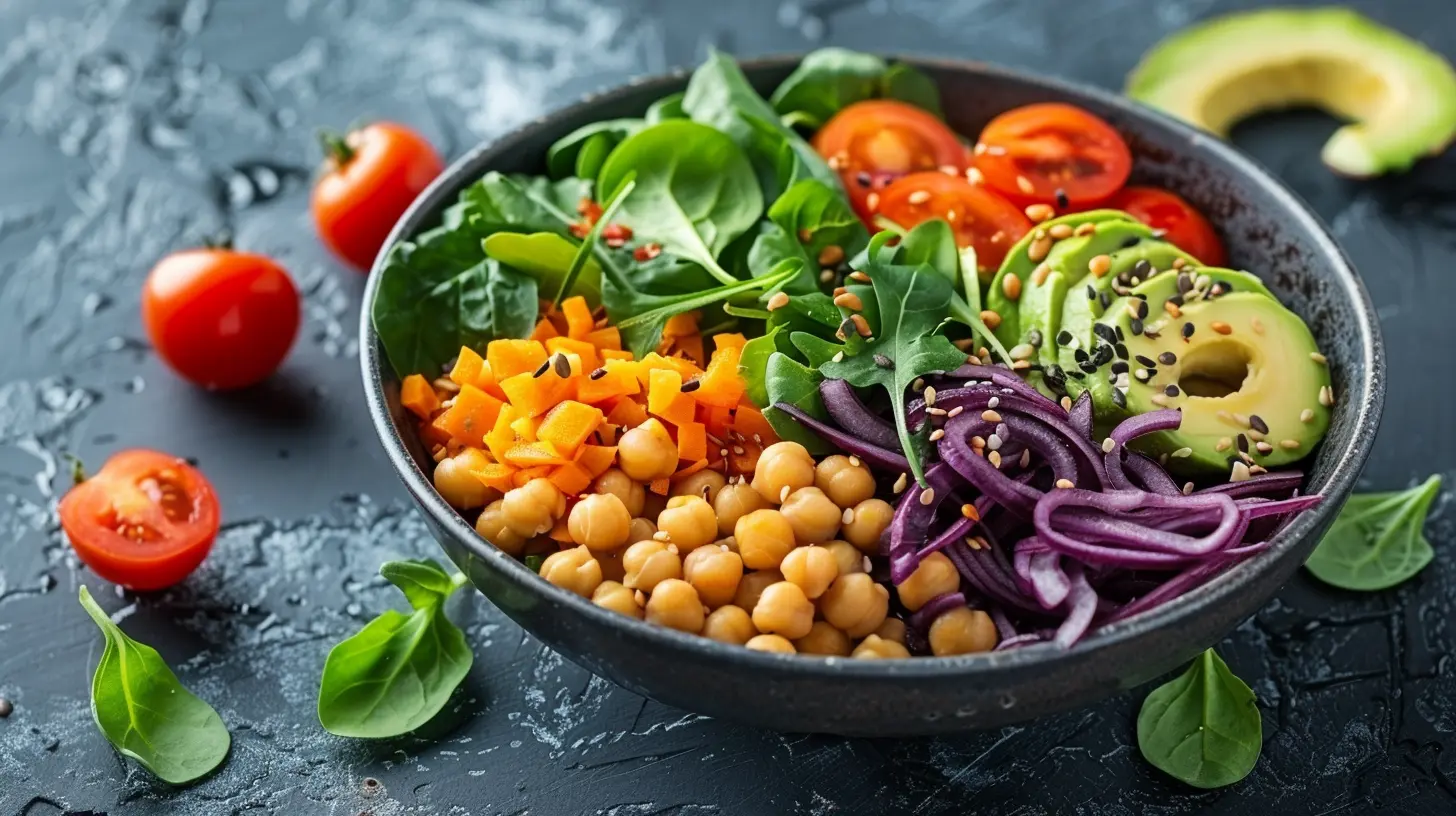
Ever heard the saying "Eat the rainbow"? That’s not just a fun phrase; it’s a game-changer for plant-based eating. A colorful plate filled with different types of fruits, veggies, grains, and legumes means you're getting a wide range of vitamins, minerals, and antioxidants.Here’s what your plate should ideally look like:
- Whole Grains: Brown rice, quinoa, oats, and whole wheat products
- Legumes & Beans: Lentils, chickpeas, black beans, and soy-based foods like tofu and tempeh
- Fruits & Vegetables: Leafy greens, berries, citrus fruits, carrots, and bell peppers
- Nuts & Seeds: Almonds, chia seeds, flaxseeds, pumpkin seeds, and walnuts
The key here? Mix things up! If you’re eating the same five foods every day, you might be missing out on essential nutrients.
2. Get Enough Plant-Based Protein
One of the biggest misconceptions about plant-based diets is that they lack protein. Truth is, there are plenty of plant-powered protein sources!Here are some top picks:
- Legumes: Lentils, black beans, chickpeas
- Soy Products: Tofu, tempeh, edamame
- Whole Grains: Quinoa, farro, bulgur
- Nuts & Seeds: Almonds, peanuts, chia seeds, sunflower seeds
Wondering how much you need? The general rule is around 0.8 grams of protein per kilogram of body weight. If you’re active, you might need a little more.
3. Make Sure You Get Enough Iron
Did you know plant-based iron (non-heme iron) isn’t absorbed as easily as the iron from meat? But don’t worry—you can still get enough by consuming iron-rich foods and pairing them with vitamin C for better absorption.Iron-rich plant-based foods:
- Lentils
- Spinach
- Chickpeas
- Pumpkin seeds
- Quinoa
Great vitamin C sources to boost absorption:
- Oranges
- Bell peppers
- Strawberries
- Tomatoes
So, why not throw some bell peppers into your lentil soup or have a citrusy smoothie with your chickpea salad?
4. Don’t Forget Healthy Fats
Fats aren’t the enemy! In fact, healthy fats play a crucial role in brain function, hormone production, and overall well-being.Best sources of plant-based healthy fats:
- Avocados (because what’s a plant-based diet without them?)
- Nuts like almonds, walnuts, and cashews
- Seeds such as flaxseeds, chia seeds, and hemp seeds
- Olive & Coconut Oil for cooking or drizzling over your meals
Healthy fats help with nutrient absorption, so don’t skimp on them.
5. Stay on Top of Vitamin B12
If there’s one nutrient that can be tricky to get from plants, it’s vitamin B12. Since it mostly comes from animal products, plant-based eaters should look for fortified foods or take a supplement.B12 is crucial for red blood cell production and nerve health—without enough, you could feel fatigued or experience brain fog.
Plant-based B12 sources:
- Fortified cereals
- Nutritional yeast (tastes like cheese and is a great topping!)
- Plant-based milks with added B12
- Supplements (probably the easiest and most reliable option)
B12 deficiency takes time to show up, so it’s best to be proactive rather than waiting for symptoms to appear.
6. Calcium Isn’t Just in Dairy
Milk isn’t the only way to keep your bones strong. Plenty of plants are packed with calcium—you just need to make sure you’re eating enough of them.Calcium-rich plant-based foods include:
- Kale
- Bok choy
- Tahini (made from sesame seeds)
- Almonds
- Fortified plant-based milks
Pairing these with vitamin D (from sunlight or fortified foods) helps improve calcium absorption. So, don’t forget to step outside and soak up some sunshine!
7. Keep an Eye on Omega-3s
Omega-3 fatty acids are essential for heart and brain health, but they’re mostly found in fish. No worries, though—plants have them too!Best plant-based sources of omega-3s:
- Chia seeds
- Flaxseeds
- Walnuts
- Hemp seeds
Grinding flaxseeds helps with absorption, so toss some into your smoothies, oatmeal, or even baked goods.
8. Stay Hydrated and Listen to Your Body
Eating well is just one part of the equation—hydration is just as important! Water helps with digestion, circulation, and keeping your skin happy.Some great ways to stay hydrated:
- Sip on herbal teas
- Eat water-rich foods like cucumber, watermelon, and oranges
- Carry a reusable water bottle with you
Most importantly, listen to your body’s signals. If you're constantly tired, experiencing cravings, or feeling bloated, it might be a sign that something in your diet needs adjusting. 
Meal Planning Tips for a Balanced Plant-Based Diet
Want to make life easier? Here are some tips for sticking to a well-balanced diet without feeling overwhelmed:1. Plan Your Meals Ahead – Prepping your meals for the week prevents last-minute unhealthy choices.
2. Batch Cook Staples – Cook quinoa, lentils, and roasted veggies in bulk to save time.
3. Experiment with New Foods – Try a new fruit, vegetable, or grain every week to keep things exciting.
4. Keep Healthy Snacks on Hand – Nuts, hummus with veggies, or energy bars can keep hunger at bay.
5. Balance Your Plate – Include protein, healthy fats, fiber, and greens in every meal. 
Final Thoughts
Keeping a well-balanced plant-based diet doesn’t have to be complicated. Focus on variety, make sure you’re getting enough essential nutrients, and most importantly—enjoy your food!Eating plant-based should be a delicious and exciting journey, not a restrictive diet. So, go ahead and experiment with new ingredients, flavors, and recipes. Your body (and taste buds) will thank you!
all images in this post were generated using AI tools
Category:
Healthy ChoicesAuthor:

Laurie Barlow
Discussion
rate this article
2 comments
Kira Cole
Great article! Embracing a plant-based diet can be a rewarding journey. Remember to listen to your body’s needs and enjoy the variety of flavors and nutrients nature has to offer!
February 28, 2026 at 3:57 AM
Laurie Barlow
Thank you! I'm glad you enjoyed the article. Listening to your body and exploring diverse flavors is key to a successful plant-based journey!
Regina Strickland
Prioritize variety and nutrient density in plants to ensure a balanced, healthful vegan lifestyle.
February 21, 2026 at 5:41 AM
Laurie Barlow
Absolutely! Emphasizing a diverse range of nutrient-rich plants is key to a healthy vegan diet.