How to Choose the Right Protein for You
17 July 2026
Let’s face it—protein is everywhere these days. Whether you're scrolling through Instagram, hitting the gym, or browsing the aisles of your local grocery store, you’re bound to come across protein-packed bars, shakes, powders, cookies (yes, cookies!), and everything in between. And with all these options, figuring out which protein is right for you is kind of like trying to pick a movie on Netflix—you spend more time deciding than actually doing anything.
So, how do you really choose the right protein for your unique lifestyle, goals, and body?
Let’s break it all down in plain, simple language. No fluff. No jargon. Just real talk.
Why Protein Even Matters
Before diving into all the different protein options out there, let’s rewind a bit and understand why protein is such a big deal.Protein is one of the three essential macronutrients (along with carbs and fats). It plays a crucial role in building and repairing muscles, supporting immune function, producing enzymes and hormones, and basically keeping your body running like a well-oiled machine.
If you're hitting the gym, trying to lose weight, or just wanting to stay healthy as you age—protein is your best buddy.
But here's the kicker: not all protein is created equal.
Different Types of Protein: Animal vs. Plant-Based
First up, let’s talk categories. Most protein sources fall into two main groups: animal-based and plant-based.Animal-Based Proteins
These proteins come from—you guessed it—animals. Think meat, poultry, eggs, dairy, and fish.Pros:
- Typically “complete” proteins — they contain all nine essential amino acids your body can’t create on its own.- High in bioavailability — meaning your body can absorb and use them easily.
Cons:
- Higher in saturated fat (depending on the source).- Not suitable for vegetarians or vegans.
- Some are more environmentally taxing to produce.
Plant-Based Proteins
These come from sources like beans, lentils, tofu, tempeh, nuts, seeds, quinoa, and certain grains.Pros:
- Often lower in fat and calories.- Rich in fiber and other micronutrients.
- More eco-friendly.
Cons:
- Not all are “complete” proteins, so you may need to combine them to hit your amino acid goals (ex: rice + beans).- Lower bioavailability compared to animal-based sources.
So, which is better? Honestly, it depends on you. Your diet, your ethics, your health goals—all of it matters.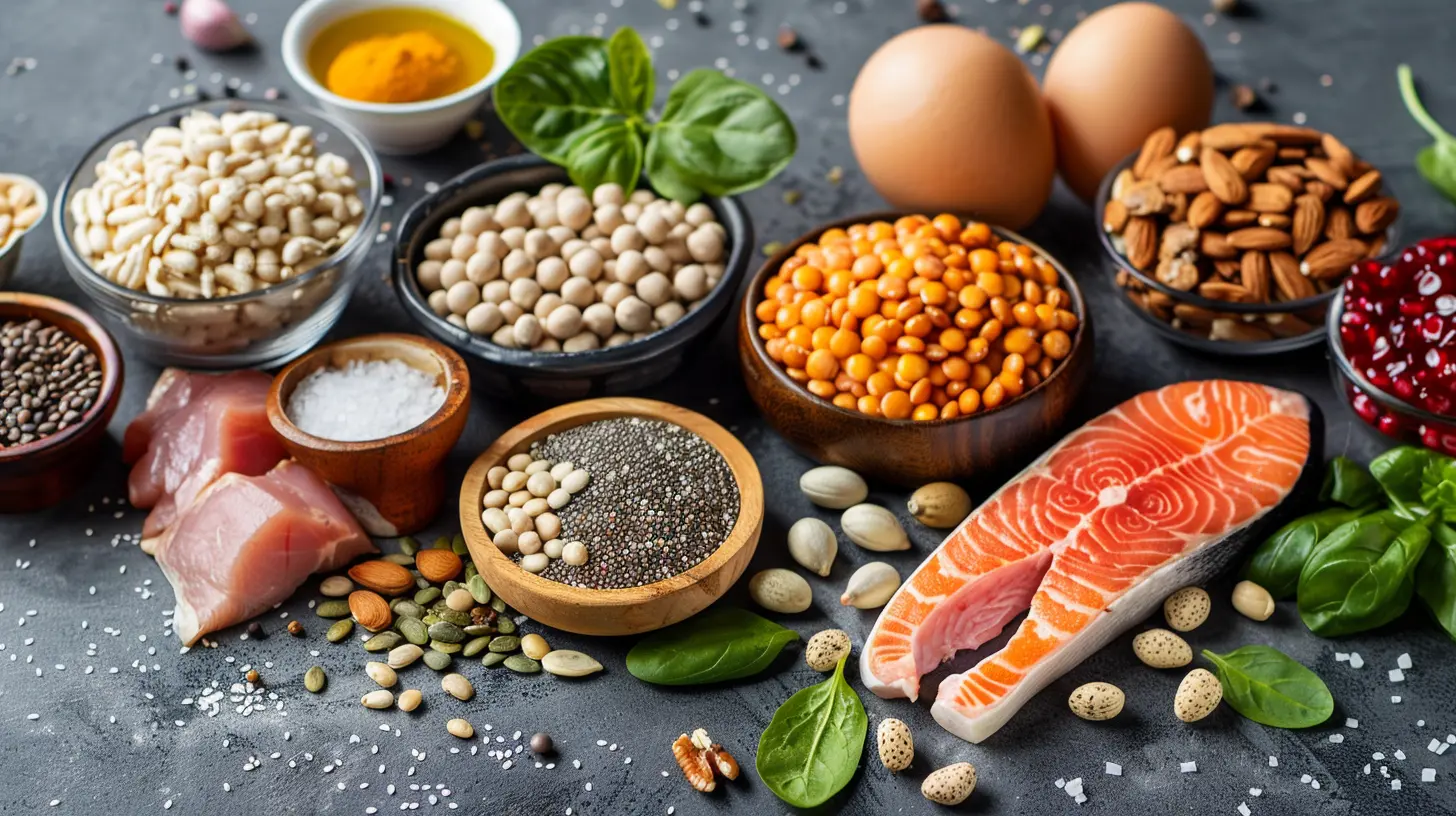
Common Protein Sources and Their Benefits
Let’s roll up our sleeves and look at some of the most popular protein options—what they offer and who they’re best for.1. Whey Protein
What it is: A milk-based protein commonly used in sports nutrition.Best for: Muscle building, recovery, and weight loss.
Why it rocks:
- It’s a complete protein.
- Super quick to digest.
- Packed with branched-chain amino acids (BCAAs), especially leucine, which is crucial for muscle growth.
Watch out:
- Contains lactose—might not sit well with sensitive stomachs.
- Not vegan-friendly.
2. Casein Protein
What it is: Another milk-derived protein, but slower-digesting than whey.Best for: Nighttime consumption or long periods between meals.
Why it rocks:
- Provides a steady release of amino acids.
- Perfect for fighting muscle breakdown overnight.
Watch out:
- Same as whey—it’s dairy-based.
3. Egg White Protein
What it is: Powdered egg whites, minus the yolk.Best for: Those who want a dairy-free, complete protein.
Why it rocks:
- High-quality, complete protein.
- No lactose and low in fat.
Watch out:
- May trigger allergies in some people.
- Doesn’t have as creamy a texture as whey in shakes.
4. Soy Protein
What it is: Derived from soybeans.Best for: Vegans, vegetarians, and those avoiding dairy.
Why it rocks:
- It’s a complete protein (rare for plant sources).
- Contains isoflavones that may offer additional health benefits.
Watch out:
- Soy is a common allergen.
- Some people worry about hormonal effects (though the science is mixed).
5. Pea Protein
What it is: Extracted from yellow split peas.Best for: Plant-based eaters and those with food sensitivities.
Why it rocks:
- Hypoallergenic.
- Easily digested.
- Great for muscle recovery.
Watch out:
- Not a complete protein unless combined with another source like rice protein.
6. Rice Protein
What it is: Comes from brown rice—clean and simple.Best for: Vegans and people with allergies.
Why it rocks:
- Easy on the stomach.
- Pairs well with pea protein to form a complete blend.
Watch out:
- Lacks some essential amino acids on its own.
7. Hemp Protein
What it is: Made from ground hemp seeds.Best for: Those wanting a protein with fiber and healthy fats.
Why it rocks:
- Contains omega-3 fatty acids.
- High in fiber.
Watch out:
- Lower protein content per serving compared to others.
How to Pick the Right One for YOU
Okay, now that you know what's out there, how do you actually pick your perfect protein? Here’s a framework that’ll make it way easier.1. Set Your Goal
What do you want out of this?- Build muscle? Go for whey, casein, or soy.
- Lose fat? Lean towards whey isolate or plant blends low in carbs.
- Stay full longer? Casein is king, but fiber-rich proteins like hemp work too.
- Just a convenient snack? Pick one with added fiber and healthy fats.
- No animal products? Stick with pea, rice, soy, or hemp.
Always match your protein to your purpose.
2. Consider Your Digestive Tolerance
Let’s not sugarcoat it—some proteins can cause bloating, gas, or just general tummy trouble.- Lactose-sensitive? Avoid whey concentrate or casein. Try whey isolate or go plant-based.
- Soy allergy? Stick with pea, rice, or egg white.
- Sensitive stomach? Give hydrolyzed proteins a shot (they're pre-digested).
3. Read the Labels (Like, Actually)
Don’t let marketing hype fool you.Check for:
- Protein per serving (20g is a solid benchmark)
- Sugar content (keep it low unless you’re bulking)
- Weird additives or artificial sweeteners
- Sodium levels (especially in flavored ones)
If the ingredient list reads like a science experiment, maybe skip it.
4. Taste + Texture = Sustainability
No one's going to stick with a protein that tastes like cardboard mixed with regret.If you can, buy a sample packet or small tub first. Look for reviews about taste and mixability. Some people love earthy, gritty textures (hello, hemp), while others prefer smooth and creamy.
Your taste buds deserve happiness too!
Additional Tips to Maximize Your Protein Game
Don’t Rely on Shakes Alone
Whole food protein sources like eggs, chicken, lentils, and beans offer more than just protein—they’re packed with nutrients and fiber. Use powders as a supplement, not your only source of protein.Timing Matters (But Not That Much)
Yes, there’s a “post-workout anabolic window,” but you don’t need to chug your protein shake the second you finish your last rep. Just aim to spread your protein intake throughout the day.Quality Over Quantity
Eating more isn't always better. Focus on getting the right amount for your body. A general ballpark? 0.8 to 1.2 grams of protein per pound of lean body mass, depending on your activity level.FAQs: Let’s Clear the Air
Can I take too much protein?
Yes. While your body can handle some extra, overdoing it for months on end puts stress on your kidneys and could backfire if you’re not active.Are plant proteins inferior?
Not at all! With the right combinations (like rice + pea), you can hit all your amino acid needs without touching animal products.Do I even need a protein supplement?
You might not! If you’re getting enough through whole foods and aren’t looking for enhanced performance or recovery, don’t feel pressured to jump on the shake train.Final Thoughts: You Do You
Choosing the right protein isn’t about copying what your gym buddy uses or what Instagram influencers swear by. It’s about figuring out what works for your lifestyle—your body, your goals, your preferences.Whether it’s whey to build muscle, hemp for gut health, or soy to keep your diet plant-based, you’ve got options. The key is to listen to your body, pay attention to how you feel, and make choices that are easy to stick with.
Because when it comes to protein, consistency is what really builds results—not the container it came in.
all images in this post were generated using AI tools
Category:
Healthy ChoicesAuthor:

Laurie Barlow