How Smoking Impacts Bone and Joint Health
13 August 2026
We all know smoking is bad for the lungs and heart. But did you know that smoking also takes a serious toll on your bones and joints? Yep, that’s right! Lighting up doesn’t just fill your lungs with harmful chemicals—it weakens your bones, slows down healing, and makes you more prone to fractures and joint issues.
If you're a smoker (or know someone who is), you might want to stick around. Let’s break down how smoking affects your bones and joints and why kicking the habit is one of the best things you can do for your skeletal health.

How Smoking Affects Bone Health
Our bones are living tissues that constantly break down and rebuild themselves. But smoking disrupts this process in a big way. Here’s how:1. Weaker Bones, Higher Risk of Fractures
Smoking reduces bone density, which means your bones become weaker over time. This makes you more likely to suffer from fractures, even from minor falls or injuries. Studies show that smokers have a significantly higher risk of breaking bones than non-smokers.Think of your bones like a sturdy wooden house. Smoking is like termites slowly eating away at the structure. Eventually, the house weakens, making it more prone to collapse.
2. Reduced Calcium Absorption
Your bones need calcium to stay strong. But here’s the problem—smoking interferes with your body's ability to absorb calcium from food and supplements. Without enough calcium, your bones lose their strength, increasing the chances of osteoporosis—a condition where bones become brittle and easily breakable.3. Slower Bone Healing
Ever broken a bone? If you're a smoker, your healing process is much slower than a non-smoker’s. Nicotine constricts your blood vessels, reducing the oxygen supply your bones need to heal. This means fractures take longer to recover, and sometimes, they don’t heal properly at all.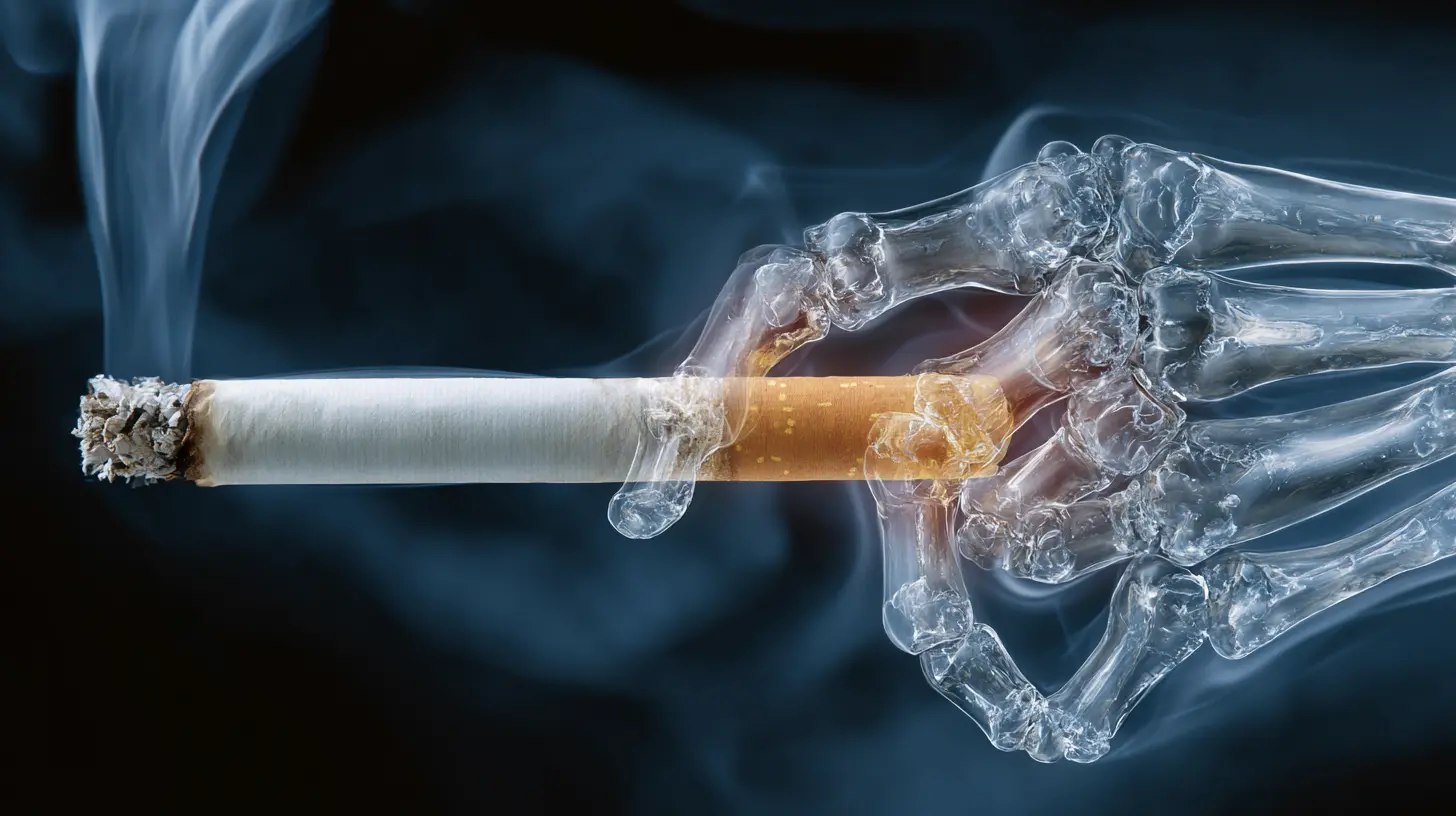
How Smoking Impacts Joint Health
Your joints are where two bones meet, cushioned by cartilage and lubricated with synovial fluid. Smoking affects them too, making movement painful and increasing the risk of joint-related diseases.1. Higher Risk of Osteoarthritis
Osteoarthritis is a common joint condition that causes pain, stiffness, and swelling. Smoking has been linked to an increased risk of developing osteoarthritis, especially in weight-bearing joints like the knees and hips. Why? Because smoking speeds up cartilage breakdown, leaving your joints with less cushioning.Imagine your joints as car tires. Over time, the rubber wears out, making the ride rough. Smoking is like driving your car with a massive puncture—your joints wear out much faster than they should.
2. Increased Risk of Rheumatoid Arthritis
Rheumatoid arthritis (RA) is an autoimmune disease where the body's own immune system attacks the joints, leading to inflammation and severe pain. Studies have found that smokers are more likely to develop RA than non-smokers. The chemicals in cigarettes trigger an immune response that damages joint tissue, making the condition worse.3. Delayed Recovery from Joint Surgery
If you ever need joint surgery—like a knee replacement—smoking can make recovery a nightmare. Just like with bone fractures, smoking slows down healing after surgery by decreasing blood flow and oxygen supply. This increases the likelihood of complications, infections, and a longer recovery period.
Other Ways Smoking Damages Your Musculoskeletal System
1. Poor Circulation
Nicotine and other chemicals in cigarettes cause blood vessels to narrow. This means less oxygen and nutrients reach your bones, joints, and muscles, making them weak and more susceptible to injuries.2. Increased Inflammation
Smoking triggers inflammation throughout the body, which worsens pain and stiffness in the joints. Inflammation is one of the major contributors to conditions like arthritis.3. Muscle Weakness
Smoking doesn’t just hurt your bones and joints; it also weakens your muscles. When your muscles aren’t strong enough to support your bones, you’re at a higher risk of falls and injuries.
The Good News: Your Body Can Recover
If you’re a smoker, the damage to your bones and joints might sound scary. But here's the silver lining—quitting smoking can slow down and, in some cases, even reverse some of these negative effects.1. Bone Density Improves Over Time
The sooner you quit, the better chance your bones have to regain strength. Over time, your bone density can improve, reducing your risk of fractures and osteoporosis.2. Faster Healing
Once you quit smoking, your blood circulation improves. This means better oxygen supply to your bones and joints, helping them heal faster after injuries or surgeries.3. Less Pain and Stiffness
Quitting smoking can help reduce chronic pain and stiffness in your joints. Without the harmful chemicals in cigarettes causing inflammation, your joints function better and feel less achy.How to Protect Your Bone and Joint Health
Even if you don’t smoke, taking care of your bones and joints is essential. Here are some tips:1. Quit Smoking
If you've been thinking about quitting, now’s the time! Look for support groups, nicotine replacement therapy, or professional help to make the process easier.2. Eat a Bone-Healthy Diet
A diet rich in calcium, vitamin D, and protein can help keep your bones strong. Foods like dairy, leafy greens, nuts, seeds, and fish are excellent choices.3. Exercise Regularly
Weight-bearing exercises like walking, running, and resistance training strengthen bones and improve joint flexibility. Even simple activities like stretching can help maintain mobility.4. Stay Hydrated
Water is essential for joint lubrication. Drinking enough water keeps your cartilage healthy and prevents stiffness.5. Get Enough Sunlight
Vitamin D plays a crucial role in calcium absorption. Spending some time in the sun helps your body produce this essential nutrient naturally.
Final Thoughts
Smoking does far more than damage your lungs—it weakens bones, destroys joints, and increases your chances of fractures and painful conditions like arthritis. The good news? It’s never too late to quit. Your body is incredibly resilient, and making healthier choices today can protect your bones and joints for years to come.So if you're still lighting up, it might be time to put out that cigarette for good. Your bones will thank you for it!
all images in this post were generated using AI tools
Category:
Healthy JointsAuthor:

Laurie Barlow