How Smart Wearables Will Transform Your Workout by 2027
20 April 2026
In a world where technology evolves faster than you can say “fitness tracker,” smart wearables are on the cusp of revolutionizing our workouts like never before. Imagine a future where your smartwatch not only tracks your heart rate but also adjusts your workout routine based on real-time data about your body's performance. Sounds futuristic, right? But this is just the tip of the iceberg. By 2027, smart wearables will not only enhance your fitness experience but will also redefine how we think about health, exercise, and our overall well-being.
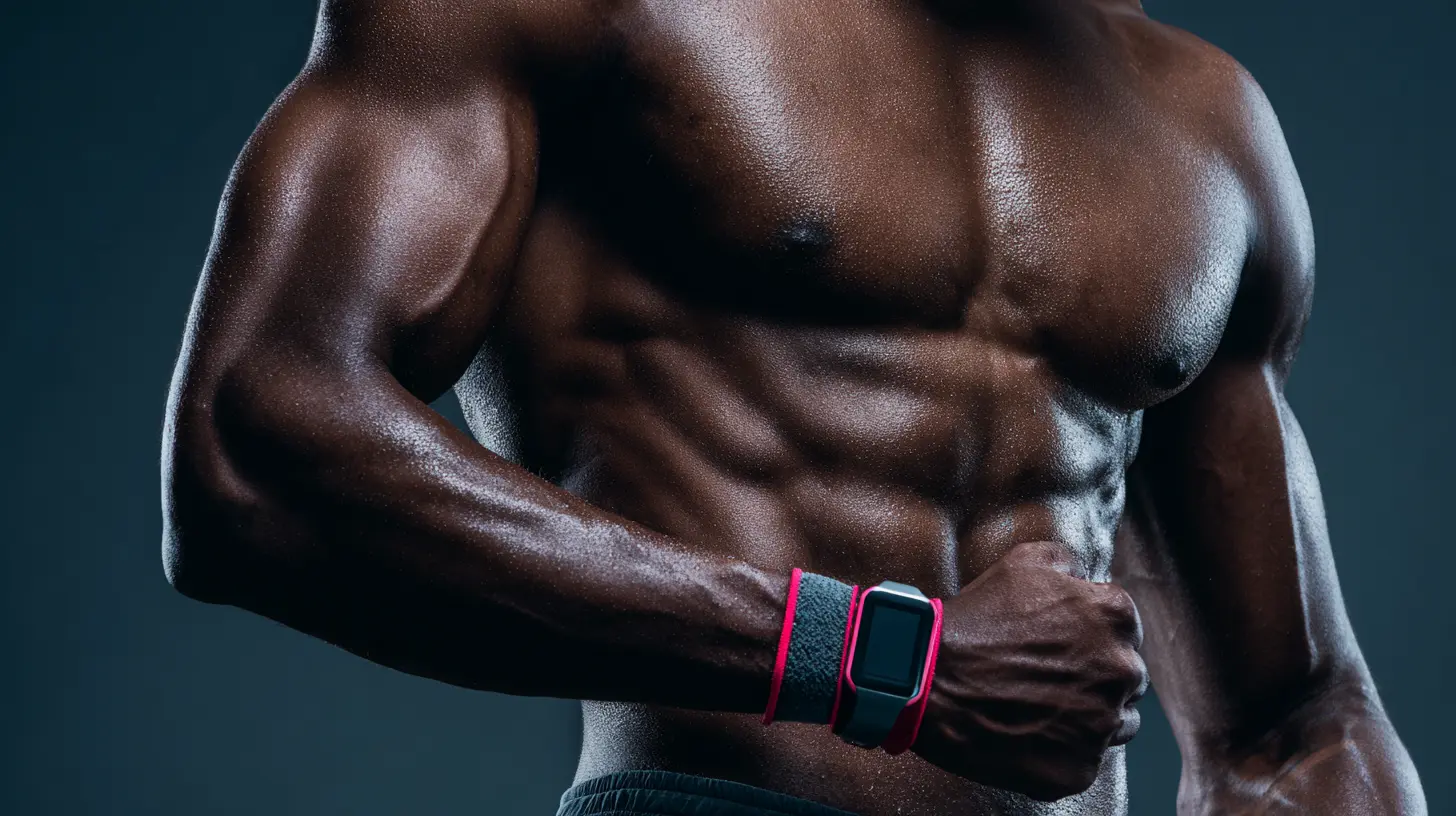
The Current State of Smart Wearables
Before we dive into the futuristic landscape of smart wearables, let’s take a moment to understand where we currently stand. Today, devices like smartwatches, fitness trackers, and even smart clothing have become commonplace. With features like heart rate monitoring, step counting, and sleep tracking, these gadgets have already made a significant impact on how we approach fitness.The Rise of Health Tracking
Health tracking isn’t just a trend; it’s a movement. With wearables like Fitbit, Apple Watch, and Garmin, people can monitor their physical activity, sleep quality, and even stress levels. This data empowers users to make informed decisions about their lifestyle choices. But what happens next? How will these devices evolve, and what will they mean for our workouts in just a few years?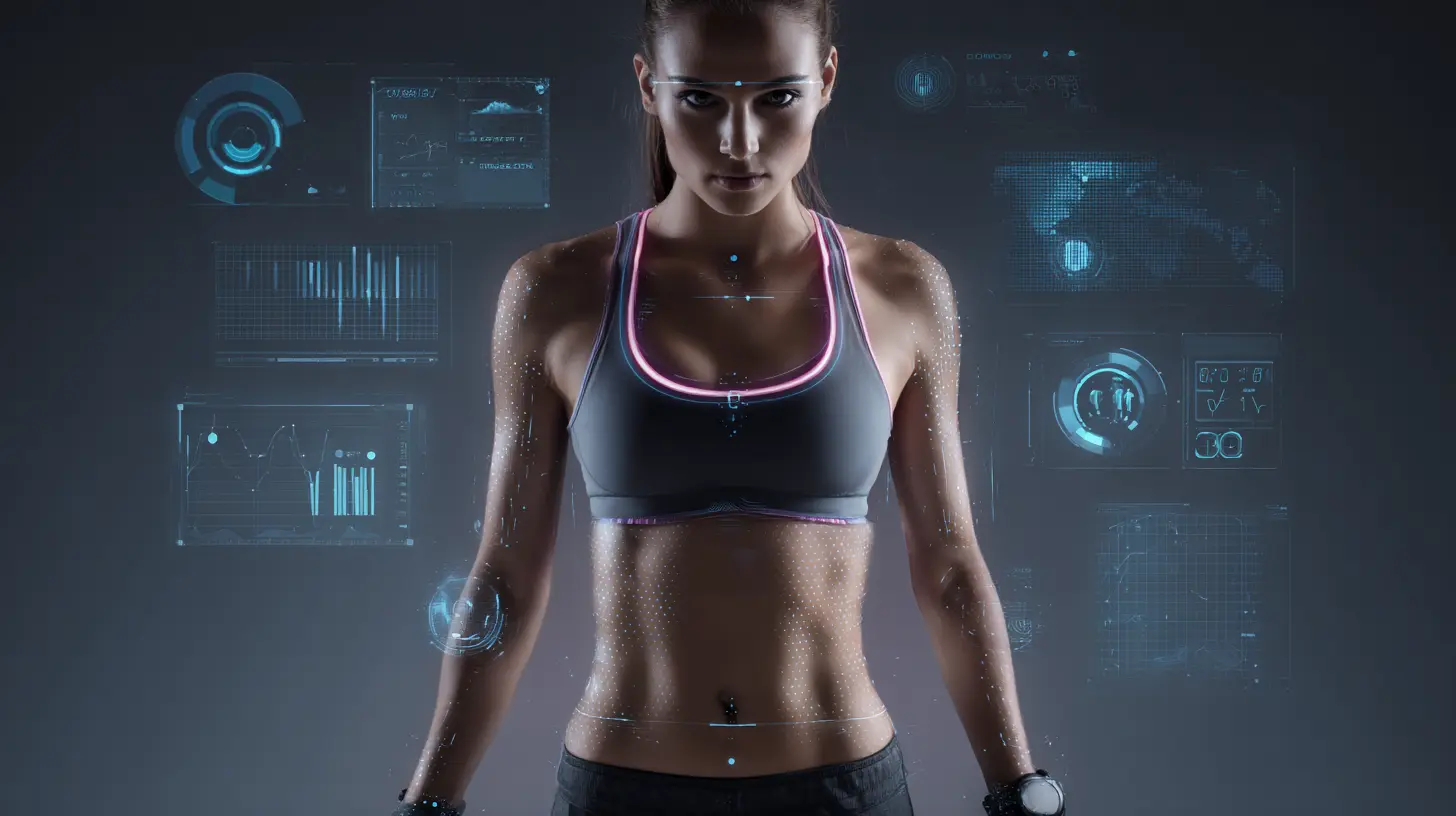
What to Expect by 2027
Advanced Health Metrics
Imagine putting on your smart wearable in the morning, and instead of just checking your heart rate, you're greeted with a comprehensive health report. By 2027, we can expect wearables to monitor an array of advanced health metrics, including:- Blood Glucose Levels: For those managing diabetes or those wanting to understand their nutrition better.
- Hydration Levels: No more guessing if you’ve had enough water; your device will remind you based on your activity.
- Muscle Oxygen Saturation: This will give insights into your muscle efficiency and endurance during workouts.
- Stress Levels: Real-time monitoring will help you manage your cortisol levels, ensuring you’re in the optimal zone for performance.
Personalized Fitness Plans
What if your wearable could create a fitness plan tailored just for you? Based on your historical data, current metrics, and even your personal goals, your device will suggest workouts that maximize efficiency and effectiveness. This isn't science fiction; it's on the horizon.- Adaptive Training: Your wearable will continuously assess your performance and adjust your workout intensity, ensuring you’re always challenged but not overexerted.
- Recovery Insights: It will analyze your recovery patterns and suggest rest days or lighter workouts based on how well your body is responding.
Real-Time Feedback and Coaching
Gone are the days of static workout videos or generic fitness apps. With advancements in AI and machine learning, smart wearables are set to offer real-time coaching that adapts as you exercise.- Form Correction: Imagine your wearable vibrating or sending you a gentle alert if your form is off. This can reduce injuries and improve results!
- Motivational Prompts: Feeling sluggish? Your device might offer a pep talk, reminding you of your goals and why you started in the first place.
Enhanced Social Connectivity
Fitness is often more enjoyable with friends, and smart wearables will take social connectivity to the next level. By 2027, we could see:- Community Challenges: Join challenges with friends or family directly through your device. Compete in steps, workouts, or even hydration levels.
- Virtual Workout Sessions: Participate in live or recorded workout classes with friends anywhere in the world, all while your wearable tracks your performance.
Integration with Smart Environments
Imagine a gym that recognizes your wearable and adjusts the equipment settings based on your profile. By 2027, wearables will work seamlessly with other smart devices to create a connected workout experience.- Smart Equipment: Treadmills and stationary bikes that auto-adjust based on your heart rate or fitness level will become common.
- Home Gym Integration: Your home setup could include intelligent mirrors or screens that sync with your wearable, providing real-time feedback and workouts tailored to you.

The Role of AI in Wearable Technology
Artificial Intelligence (AI) is set to play a pivotal role in the evolution of smart wearables. By analyzing extensive data sets, AI can help create personalized experiences that are both effective and engaging.Predictive Analytics
What if your wearable could predict when you're about to hit a plateau in your training? With predictive analytics, your device can identify patterns in your performance and suggest changes before you even realize you need them.- Injury Prevention: Monitoring your activity levels and stress on your body could help prevent injuries by suggesting rest or alternative workouts.
- Goal Setting: Based on your progress, your device can help set realistic goals and timelines, keeping you motivated without feeling overwhelmed.
Enhanced User Experience
AI will ensure that the interaction with your wearable becomes more intuitive. Natural language processing might allow you to communicate with your device in a conversational manner.- Voice Commands: Imagine asking your watch, “What should I do for my workout today?” and getting a tailored response based on your current state and goals.
- Custom Alerts: Your device could learn your preferences and send you alerts that are specifically tailored to your habits and routines.
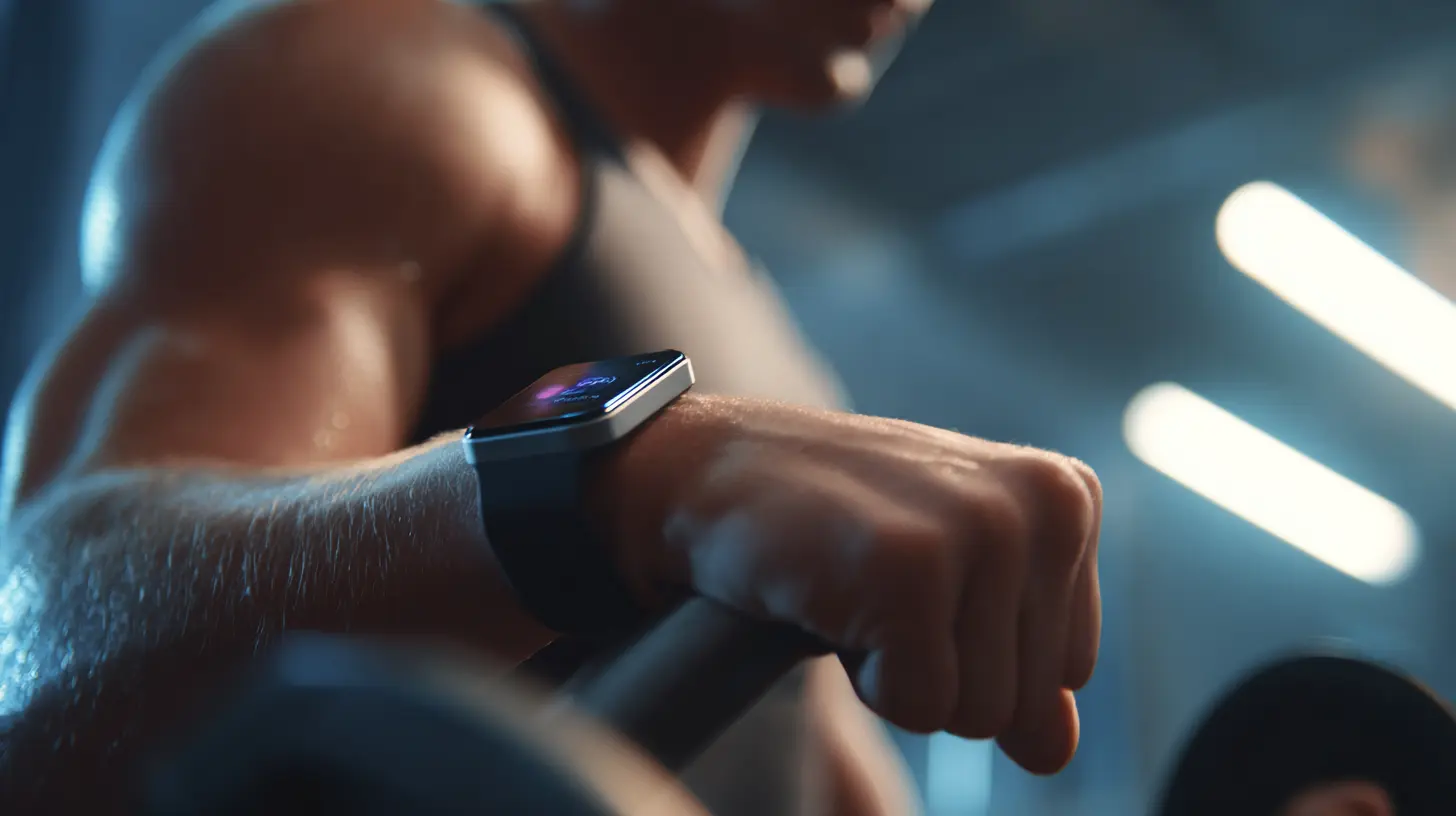
The Rise of Smart Clothing
While smartwatches and fitness trackers have taken the spotlight, the future may also shine brightly on smart clothing. By 2027, we could see:Wearable Tech Integrated into Everyday Clothing
From leggings that track your movements to shirts that monitor your heart rate, smart clothing will allow for a more seamless integration of fitness monitoring into your daily life.- Comfort Meets Function: The blend of technology and fashion means you won’t have to sacrifice style for performance.
- Continuous Monitoring: With clothing that can track your metrics throughout the day, you can gain insights not just during workouts but also in your daily routine.
Improved Recovery Wear
Imagine wearing recovery socks that apply compression and monitor your muscle recovery in real-time. This will not only enhance your post-workout recovery but also prevent injuries over time.- Biofeedback: Smart clothing that provides biofeedback will help you understand your body’s response to workouts, allowing for quicker adjustments in your training regimen.
Overcoming Challenges
Despite the exciting prospects, the journey to 2027 will not be without challenges. Privacy concerns, data security, and the digital divide are significant issues that need to be addressed.Data Privacy
As wearables collect more personal data, how will companies ensure user privacy? Consumers are becoming increasingly aware of how their data is used and stored.- Transparency is Key: Companies must be upfront about how they use data and provide users with control over their information.
- Cybersecurity Measures: Enhanced security protocols will be essential to protect sensitive health data from breaches.
Accessibility
Not everyone has equal access to cutting-edge technology. Ensuring that smart wearables are affordable and accessible will be crucial for widespread adoption.- Affordable Options: Manufacturers will need to create budget-friendly versions of smart wearables to reach a broader audience.
- Inclusivity in Design: Wearables should cater to various body types and fitness levels, ensuring that everyone can benefit from this technology.
Conclusion
The future of fitness is undeniably bright, thanks to the evolution of smart wearables. By 2027, we’ll see a landscape rich with advanced health metrics, personalized fitness plans, real-time coaching, and seamless integration with our daily lives. The transformative power of these devices will not only revolutionize how we work out but will also empower us to take control of our health in a more informed way.So, as you lace up your sneakers for today’s workout, consider how these advancements will change your fitness journey in the years to come. Are you ready to embrace the future?
all images in this post were generated using AI tools
Category:
Fitness GearAuthor:

Laurie Barlow
Discussion
rate this article
2 comments
Jett Moses
Great insights! It's exciting to see how smart wearables will enhance our fitness experiences. Looking forward to the innovations that await us by 2027!
April 25, 2026 at 4:06 AM
Laurie Barlow
Thanks for your enthusiasm! The future of smart wearables in fitness is indeed promising, and I can't wait to see what innovations are on the horizon.
Elowis Hayes
Embrace the future of fitness! Smart wearables will revolutionize your workouts, empowering you to reach new heights by 2027!
April 22, 2026 at 2:48 AM
Laurie Barlow
Absolutely! Smart wearables will definitely change the game, helping us track progress and optimize our routines like never before. Exciting times ahead!