How Probiotics May Help Ease Food Allergies
18 March 2026
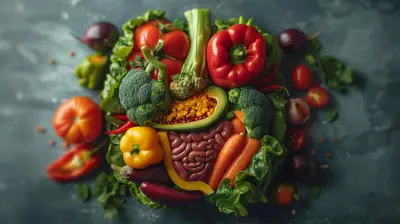
If you or someone close to you battles with food allergies, you already know how tricky — and sometimes downright scary — they can be. Whether it’s your child reacting to peanuts or your own uneasy relationship with dairy, food allergies affect daily life in a big way. But here’s something you might not have thought about: probiotics could potentially help ease the symptoms or even reduce the risk of these allergies. Yup, the same little microbes often associated with gut health may be doing more than just helping you stay regular.
So, how does that magical yogurt or those tiny capsules packed with "good bacteria" actually impact food allergies?
Let’s dive deep and unpack how probiotics might just be your gut’s new best friend — and a potential ally in the fight against food allergies.
What Are Food Allergies, Really?
Before we talk probiotics, let's make sure we're on the same page about food allergies.A food allergy happens when your immune system, which is supposed to protect you, gets a little too enthusiastic. It mistakes certain food proteins as enemies and launches an all-out attack. As a result, you might experience hives, swelling, stomach cramps, vomiting, or even something as serious as anaphylaxis. Not fun at all.
Common culprits? Think nuts, dairy, eggs, soy, wheat, shellfish, and more.
These allergic reactions aren't just annoying — they can be life-threatening. That’s why scientists, doctors, and crunchy-granola folks alike are fascinated by anything that might help things calm down.
Meet Probiotics: The Good Guys in Your Gut
Probiotics are live microorganisms — mostly bacteria and some yeasts — that, when consumed in the right amounts, provide health benefits. The most popular strains come from families like Lactobacillus, Bifidobacterium, and Saccharomyces. You’ll find them in fermented foods like yogurt, kefir, kombucha, sauerkraut, and of course, in supplement form.Think of your gut as a bustling city, and probiotics as the friendly neighbors who help maintain order, clean up after messes, and occasionally throw neighborhood parties to keep morale high.
Now, here's the cool part: Your gut is home to about 70% of your immune system. That’s right — your belly isn’t just about digestion, it’s also your immune HQ. So it kinda makes sense that maintaining the peace in your gut could affect how your immune system reacts to potential allergens.
How Probiotics Might Help With Food Allergies
1. Taming an Overactive Immune System
At the heart of every allergy is an immune system that thinks it’s under attack. Probiotics may help by "retraining" your immune cells to chill out.Studies suggest that certain strains of probiotics can influence regulatory T cells (called Tregs), which help control immune responses. In people with food allergies, these Tregs often don’t work as well. By boosting their function, probiotics might help your immune system stop overreacting to harmless foods.
2. Strengthening the Gut Barrier (Your Internal Bouncer)
Picture your gut lining like a picky nightclub bouncer, deciding who gets in and who doesn’t. When that barrier gets "leaky" (yes, like a worn-out sieve), unwanted food particles slip through, triggering immune responses.Probiotics help reinforce that gut lining, making it tougher for allergens to sneak in and cause trouble. This can be especially helpful for those with leaky gut syndrome, a condition often tied to autoimmune issues and sensitivities.
3. Fostering a Healthy Gut Microbiome
A diverse and balanced microbiome is like a well-organized orchestra — each type of microbe plays its part in harmony. An imbalanced microbiome, on the other hand, is like letting toddlers run the symphony.Kids born via C-section or those who were never breastfed, for example, tend to have less diverse gut microbiomes — and higher rates of allergies. Probiotics can help fill in the microbial gaps, potentially lowering allergy risks over time.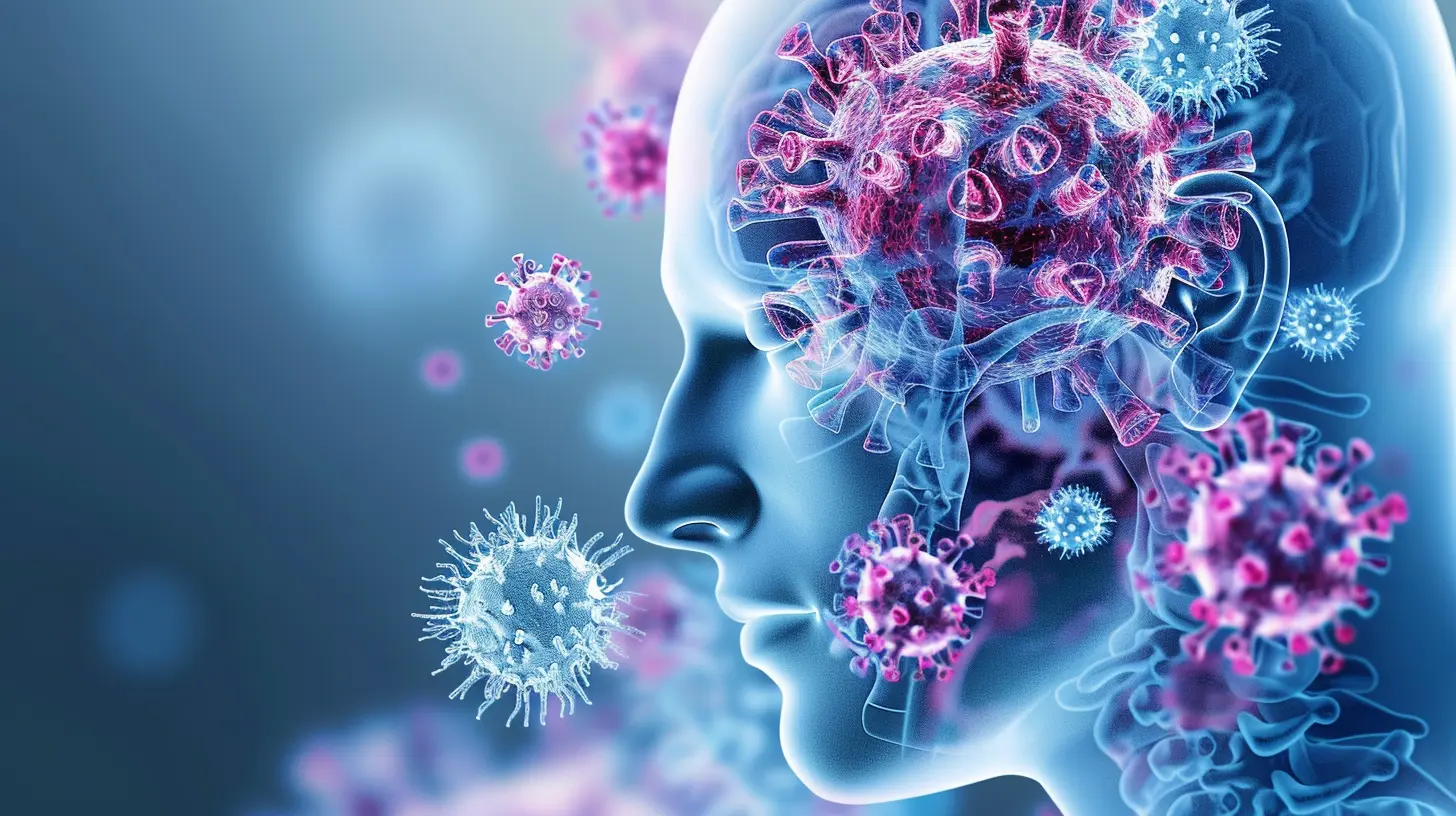
What Does the Science Say?
Okay, let’s talk nerdy for a second.Several studies — including both animal and human trials — have found promising results:
- A study published in the Journal of Allergy and Clinical Immunology found that infants given Lactobacillus rhamnosus GG had a reduced risk of developing eczema, which is closely linked to food allergies.
- Some clinical trials suggest probiotics might increase tolerance to certain allergens, particularly in children undergoing oral immunotherapy (OIT) for peanut allergies.
- Other research shows a decreased incidence of cow’s milk allergy in infants given certain probiotic strains early in life.
Now, it’s important to be real: science hasn’t fully cracked the code yet. Results can vary depending on the strain, dosage, timing, and individual biology. But the overall vibe from researchers is cautiously optimistic.
Which Probiotics Are Best for Food Allergies?
Not all probiotics are created equal. It’s kinda like dogs — a Chihuahua isn't going to do the same job as a German Shepherd.Here are some strains that have shown the most promise in allergy research:
- Lactobacillus rhamnosus GG (LGG) – a powerhouse strain for boosting immune tolerance
- Bifidobacterium lactis – commonly used in infant formulas to help reduce allergy risk
- Lactobacillus casei – may help reduce inflammatory responses in the gut
- Lactobacillus plantarum – has shown promise in calming down allergic reactions in animal studies
It’s always best to check with a healthcare provider before starting any new supplement, especially for kids or those with severe allergies.
Probiotics for Kids With Allergies — Yay or Nay?
If you’re a parent dealing with a child’s allergies, you’re probably wondering: Can probiotics help my kid? And are they safe?The answer is…maybe yes. Many pediatricians are starting to recommend probiotic-rich diets or supplements, especially for infants with eczema or family history of allergies. Some formulas even come fortified with probiotics designed to help support immune development.
But like anything kid-related, go easy, and talk to your pediatrician first.
Bonus tip: Yogurt (with live cultures and no added sugar) is a kid-friendly way to introduce probiotics naturally.
Can You Get Probiotics from Food?
Absolutely, and it’s often the most delicious way to get your daily dose!Here are some natural sources of probiotics:
- Yogurt (look for “live and active cultures” on the label)
- Kefir (like a drinkable yogurt, but tangier and more powerful)
- Sauerkraut and kimchi (fermented cabbage with a probiotic kick)
- Miso (great in soups and marinades)
- Tempeh (a protein-packed soy product)
- Kombucha (a fizzy fermented tea)
These foods don’t just add good bugs to your gut; they’re also packed with nutrients your body loves.
Precautions and Considerations
Before you load up on probiotics, there are a few things to keep in mind:- Quality matters: Not all supplements are trustworthy. Look for brands that guarantee live cultures through expiration and clearly list strain types.
- Start slow: Introducing a new probiotic can sometimes cause temporary bloating or gas. Your gut needs time to adjust.
- Talk to your doctor: Especially if you're immunocompromised or have very young kids — probiotics aren’t always suitable for everyone.
- Consistency is key: One yogurt a week isn’t going to cut it. You need consistent, daily intake to see potential benefits.
The Gut-Allergy Connection: Final Thoughts
While probiotics aren’t a magical cure-all, they’ve got some serious potential when it comes to easing food allergies. By helping to regulate immune responses, fortify the gut lining, and balance your microbiome, these tiny organisms could be doing big things for allergy sufferers.Of course, more research is needed to figure out exactly who benefits the most, what strains work best, and how to use them most effectively. But if you’re already managing food allergies, adding probiotics into your routine — whether through diet or supplements — could be a gut-smart move.
Honestly, anything that helps your body stop treating harmless foods like dangerous invaders is worth looking into, right?
TL;DR (Too Long; Didn’t Read)
- Food allergies involve an overactive immune response to certain proteins.- Probiotics are beneficial bacteria that support gut and immune health.
- Emerging research shows probiotics may help ease allergy symptoms by calming the immune system, strengthening the gut barrier, and improving microbial diversity.
- Certain strains (like LGG and B. lactis) are particularly promising.
- Always talk to your doctor before starting probiotics, especially for kids or those with severe allergies.
Your gut and your immune system are more connected than you think. Maybe it’s time to give those friendly bacteria a seat at your table.
all images in this post were generated using AI tools
Category:
Food AllergiesAuthor:

Laurie Barlow
Discussion
rate this article
2 comments
Harley Horne
Probiotics offer a promising avenue for managing food allergies by enhancing gut health and immune response. Embracing this natural approach could empower individuals to navigate their dietary challenges more effectively. It's time to consider probiotics as a proactive solution.
March 19, 2026 at 3:43 AM
Laurie Barlow
Thank you for your insights! Probiotics do hold great potential for improving gut health and supporting our immune systems in the context of food allergies. It's an exciting area worthy of further exploration.
Knox Miller
Great insights on probiotics and allergies!
March 18, 2026 at 4:27 AM
Laurie Barlow
Thank you! I'm glad you found the insights helpful!