How Nature Walks Can Improve Your Mental Health
9 February 2026
When life gets overwhelming, where do you turn? For many of us, the default is social media, binge-watching TV, or snacking on comfort food. But what if the secret to feeling better was as simple as stepping outside?
Nature walks—something so basic yet profoundly impactful—can work wonders on your mental health. Science backs it, and many who've made it a habit swear by its effects. So let's dive deep into why walking amidst nature is more than just a pastime—it's a form of therapy.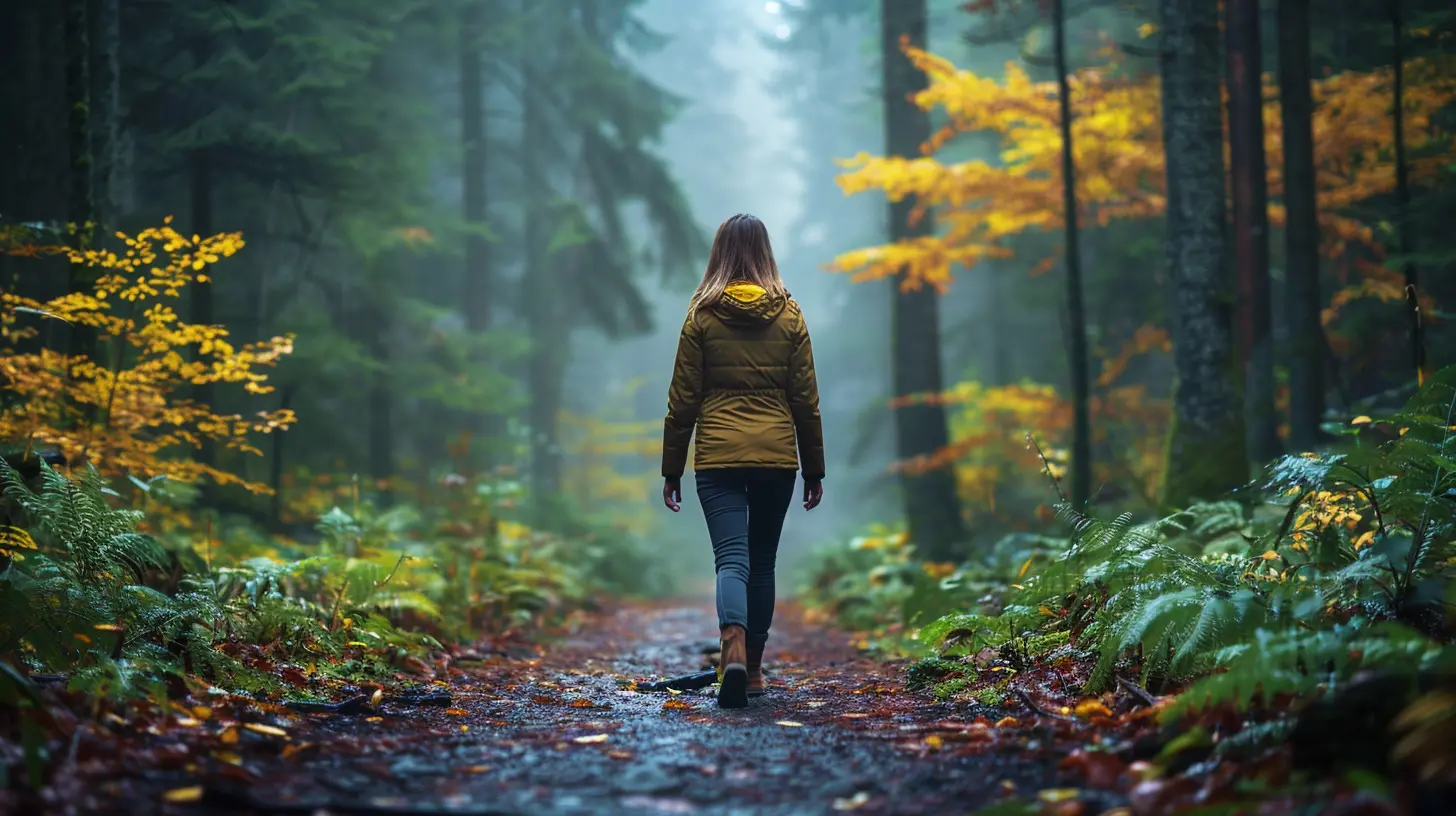
The Science Behind Nature and Mental Well-Being
1. How Nature Affects the Brain
Ever noticed how a simple walk in the park can instantly lift your mood? It’s not just in your head—well, actually, it is! Studies show that spending time in natural settings can reduce activity in the part of the brain linked to stress and anxiety (the prefrontal cortex).Compared to urban environments, where our brains are constantly bombarded with noise and distractions, nature provides a much-needed break. This mental reset lowers cortisol—our stress hormone—leading to a calmer, happier state of mind.
2. Boosting Endorphins and Serotonin Naturally
Just like exercise, walking in nature triggers the release of endorphins—those feel-good hormones that help combat depression and anxiety. Plus, exposure to natural sunlight boosts serotonin levels, which plays a key role in regulating mood.So, rather than reaching for another cup of coffee or doom-scrolling through your phone, why not take a quick stroll? Your brain will thank you.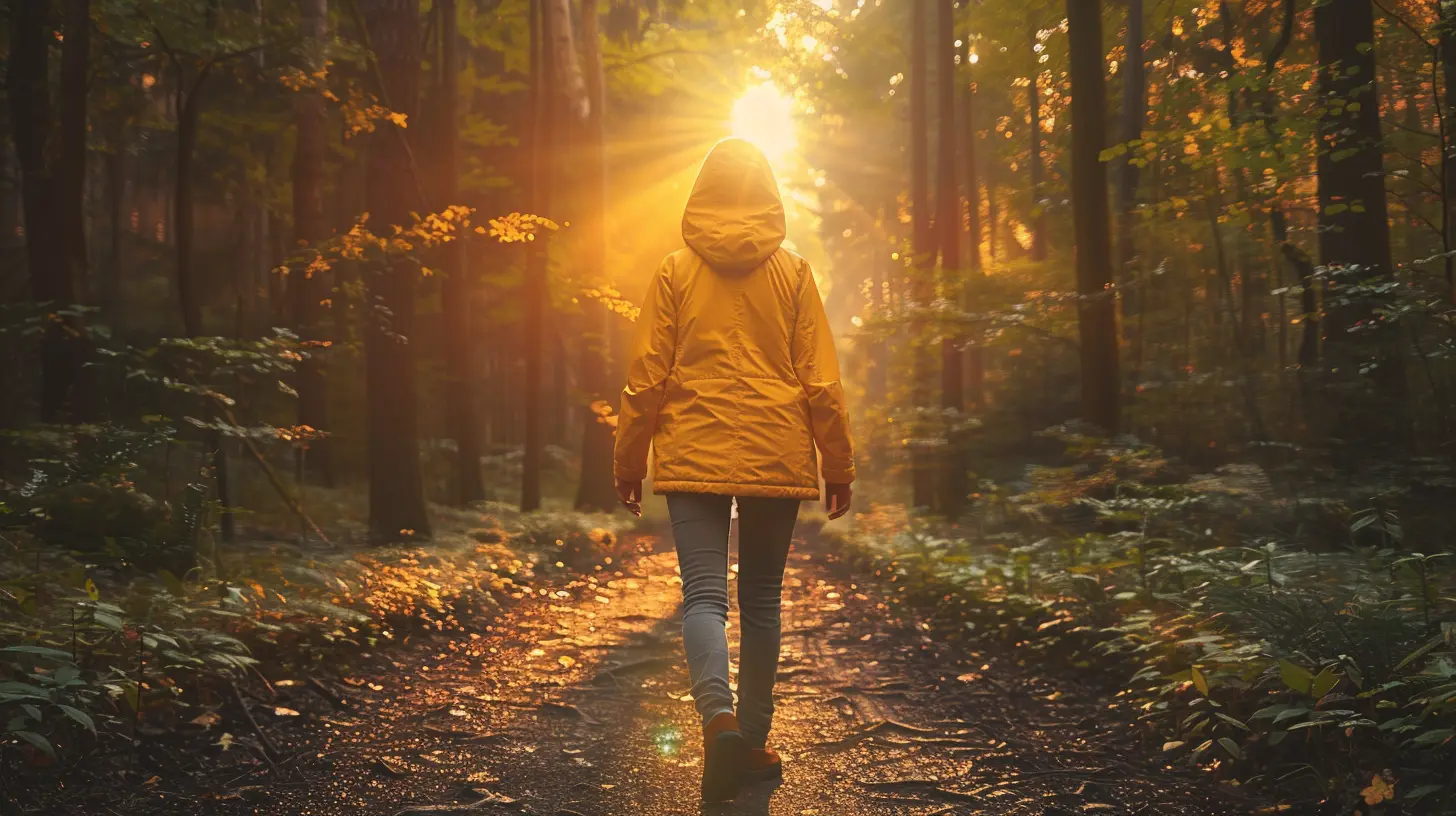
Mental Health Benefits of Nature Walks
3. Reduces Stress and Anxiety
Nature has a unique way of putting things into perspective. Surrounded by towering trees and chirping birds, your worries suddenly feel smaller. Research has shown that spending just 20 minutes outdoors can significantly lower cortisol levels, reducing feelings of stress and anxiety.The rhythmic motion of walking combined with the serene environment acts as a natural meditation, allowing your mind to declutter and refocus.
4. Improves Mood and Fights Depression
Ever heard of "eco-therapy"? It’s a real thing! Many mental health professionals encourage nature-based therapy for individuals struggling with depression. Walking in green spaces can increase positive emotions while reducing symptoms of mental fatigue.Think of it as a natural antidepressant—without the side effects.
5. Enhances Creativity and Cognitive Function
Stuck in a creative rut? A walk through nature might be the solution you're looking for. Studies suggest that spending time outdoors enhances problem-solving skills and creative thinking.When you step away from screens and let your mind wander amidst nature, your brain enters a relaxed state—where some of the best ideas are born!
6. Encourages Mindfulness and Presence
One of the biggest struggles of modern life is being fully present. With notifications constantly demanding our attention, it’s easy to feel scattered.Walking in nature forces you to slow down. You notice the rustling leaves, the fresh scent of pine, the feeling of the earth beneath your feet. This mindfulness practice can significantly improve mental clarity, helping you feel more grounded and in control.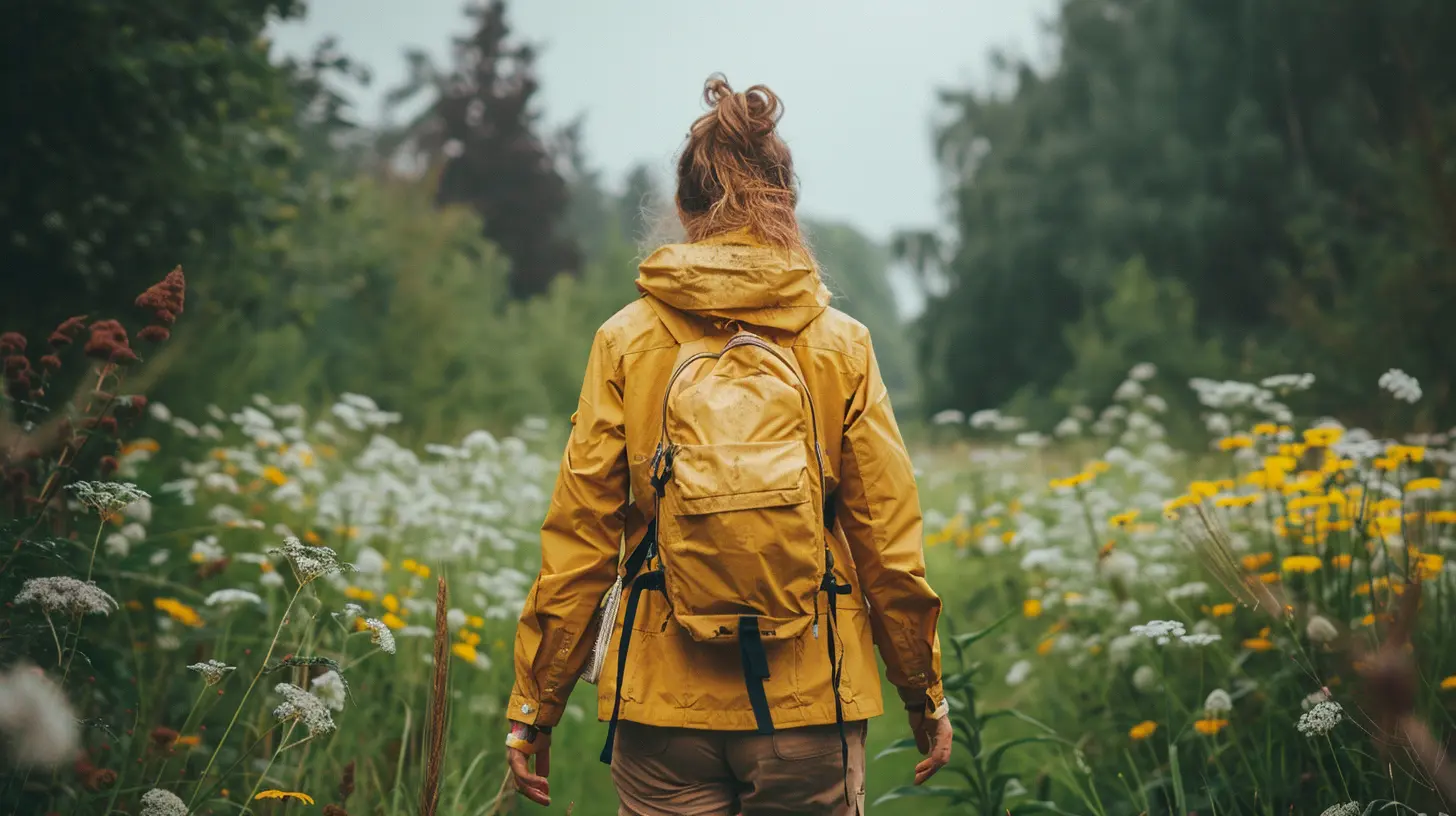
The Physical Connection: How Walking Benefits the Mind
7. Increases Oxygen Intake
Ever felt an instant sense of relief when taking a deep breath of fresh air? That’s oxygen working its magic! Unlike the stale air of closed spaces, fresh air improves circulation and brain function, leading to greater focus and mental clarity.8. Lowers Blood Pressure and Heart Rate
Stress doesn’t just affect your mind—it takes a visible toll on your body too. Elevated stress levels are linked to high blood pressure and increased risk of heart disease.The good news? Walking in nature has been shown to lower both, helping you feel more relaxed and at ease.
9. Regulates Sleep Patterns
Struggling with insomnia? Spending time outdoors, especially in the morning sun, helps regulate your circadian rhythm. When your body gets enough natural light during the day, you’re more likely to get quality sleep at night.And we all know good sleep is essential for mental health!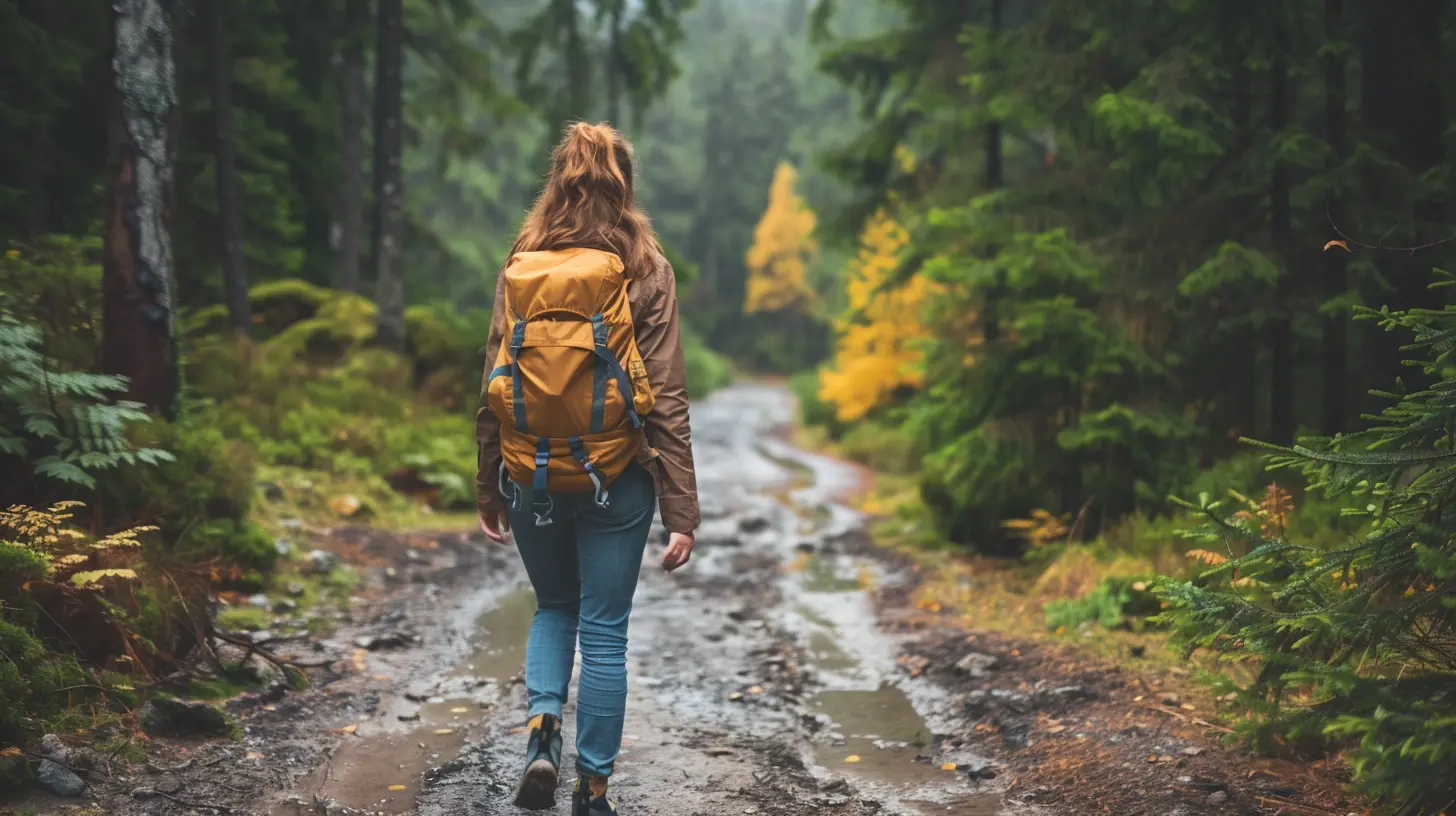
How to Make Nature Walks a Habit
10. Start Small and Stay Consistent
You don’t need to hike a mountain to reap the benefits of nature. Even a 15-20 minute walk in the park or around your neighborhood can make a difference. The key is consistency—aim to make it a daily habit.11. Leave the Phone Behind (or on Silent)
It’s tempting to check messages or snap photos, but try resisting the urge. Disconnecting from technology helps you fully soak in the present moment.12. Engage Your Senses
Focus on what you see, hear, and feel. Notice the textures, the colors, and the sounds around you. Engaging your senses amplifies the calming effect of nature.13. Walk With a Purpose
Some people meditate while walking, while others listen to calming music or simply enjoy the silence. Find what works for you and turn it into a personal ritual.The Bigger Picture: Why Nature Walks Matter More Than Ever
In a world where mental health struggles are on the rise, reconnecting with nature is more important than ever. We spend so much time indoors, glued to screens, that we’ve forgotten the simple joy of just being outside.Nature is healing. It's free. And it’s right outside your door.
If feeling overwhelmed has become your new normal, maybe it’s time to step outside and breathe. A walk in nature isn’t just exercise—it’s therapy for the soul.
all images in this post were generated using AI tools
Category:
Mental HealthAuthor:

Laurie Barlow
Discussion
rate this article
2 comments
Evren McElroy
Nature walks are my therapy—calm mind and happy heart!
February 16, 2026 at 5:33 AM
Laurie Barlow
I'm glad to hear that! Nature walks truly have a remarkable ability to nurture our well-being, providing peace and happiness.
Felicity Roberts
Nature walks are a powerful remedy for the mind! Embracing the beauty of the outdoors not only rejuvenates the spirit but also fosters clarity and peace. Step outside today and let nature nurture your mental health!
February 10, 2026 at 4:15 AM
Laurie Barlow
Absolutely! Nature walks offer a refreshing escape that significantly enhances mental well-being by promoting relaxation and clarity. Thank you for highlighting their importance!