How Hydration Plays a Role in Joint Lubrication
8 August 2026
Ever felt stiff, achy joints and wondered what’s causing it? Sure, aging, injuries, or conditions like arthritis might be the culprits, but did you know that dehydration could also be playing a role? Yes! Your joints, just like the rest of your body, need water to function properly.
In this article, we’ll dive deep into how hydration affects joint lubrication, why it matters, and how you can keep your joints moving smoothly.
What Exactly Is Joint Lubrication?
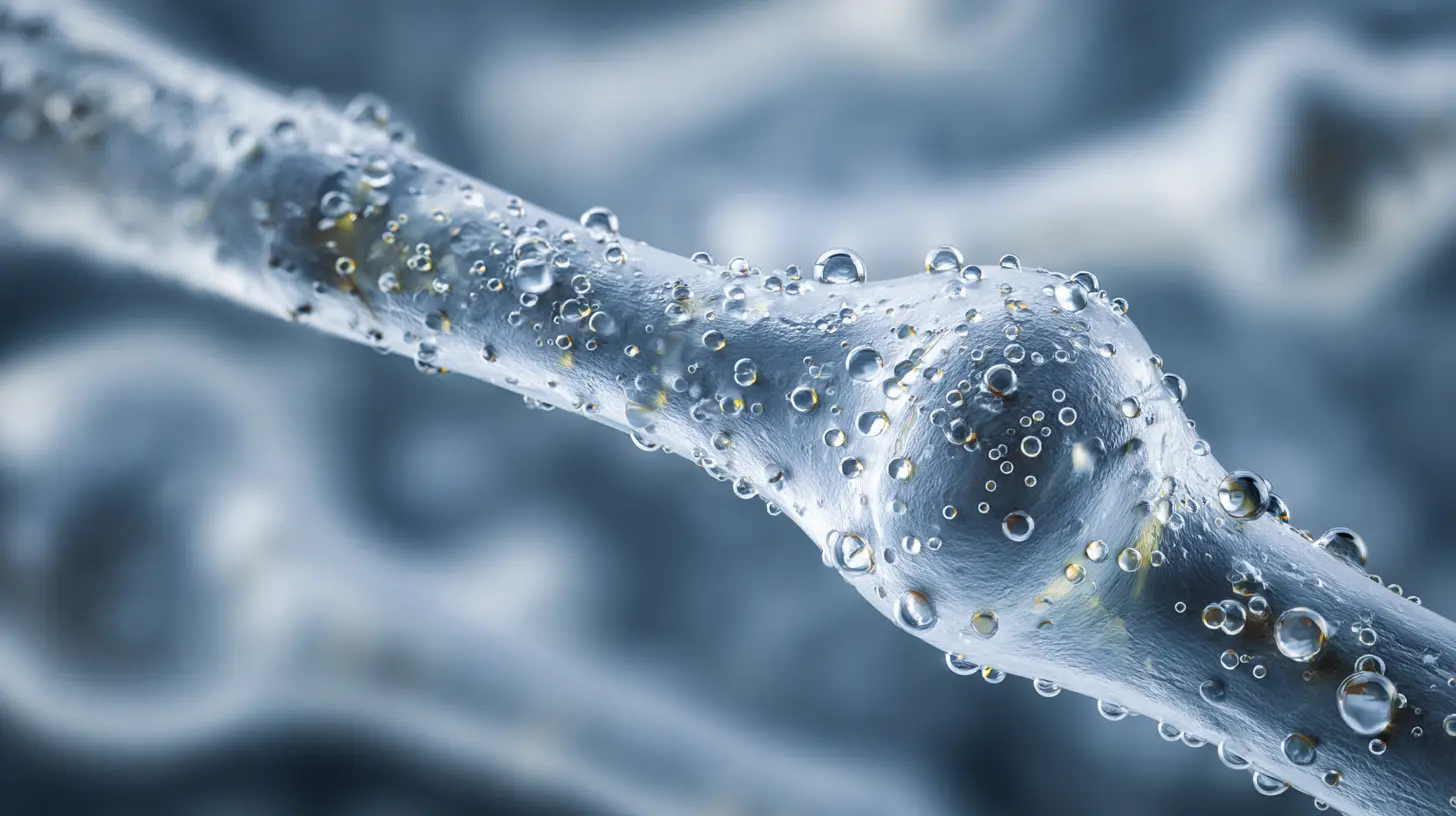
Before we get into hydration, let’s talk about joint lubrication. Your joints are where two bones meet, and to prevent them from rubbing against each other like sandpaper, your body produces a lubricant called synovial fluid. Think of synovial fluid as the oil in a car engine – without it, things grind, wear out, and eventually break down.This fluid is made up of water and other essential substances. When you’re dehydrated, your body struggles to produce enough of it, leading to increased friction, stiffness, and discomfort.
The Role of Water in Joint Health
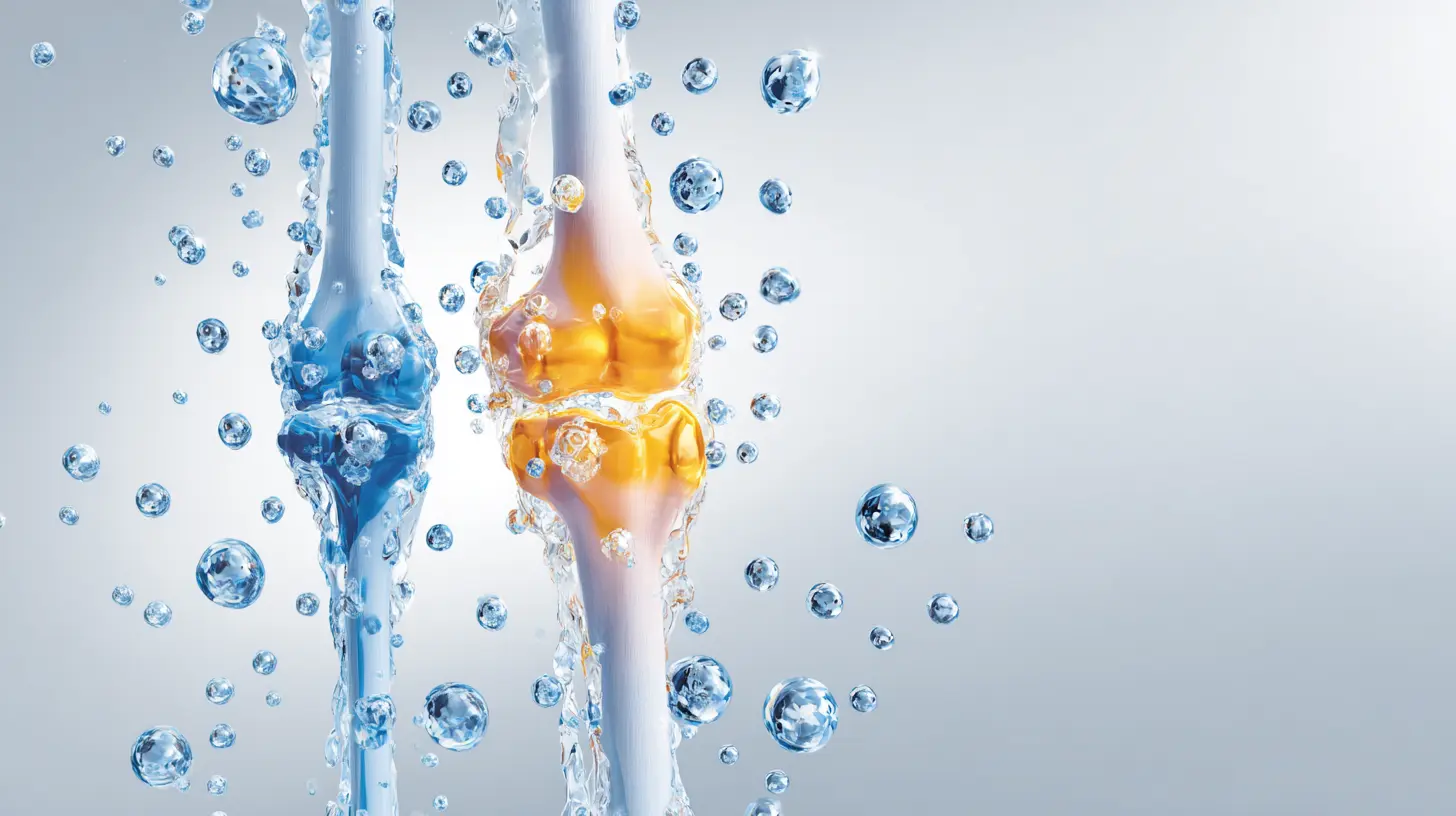
Water isn’t just something you drink to quench your thirst—it plays a HUGE role in keeping your joints healthy. Let’s break down how hydration benefits your joints:1. Water Keeps Synovial Fluid Flowing
Synovial fluid has a gel-like consistency that coats your joints, reducing friction and helping them glide smoothly. Since this fluid is mostly composed of water, your hydration levels directly impact its effectiveness. When you're well-hydrated, the fluid maintains its lubricating properties, ensuring your joints move without pain or restriction.2. Prevents Cartilage from Drying Out
The ends of your bones are covered with cartilage—a tough yet flexible tissue that absorbs shock and protects your joints. Cartilage is about 80% water, and when your body is dehydrated, cartilage loses its ability to cushion your joints properly. Over time, this can lead to discomfort, stiffness, and even wear down the cartilage, increasing the risk of arthritis.3. Reduces Inflammation and Pain
Dehydration doesn’t just leave you with dry skin or a parched throat; it can trigger inflammation in your joints. When your body lacks water, it struggles to flush out toxins, which can contribute to joint pain and swelling. Staying hydrated helps reduce inflammation, keeping joint pain at bay.4. Supports Nutrient Delivery to Joints
Your joints need nutrients to stay strong and healthy, and water plays a crucial role in transporting these essential nutrients to cartilage and synovial fluid. Without enough water, your joints may struggle to get the nourishment they need, leading to weakness and discomfort.5. Aids in Shock Absorption
Think about what happens when you jump, run, or even walk. Your joints absorb the impact, preventing your bones from taking the full force. Hydrated joints are more resilient, absorbing shock better and preventing unnecessary stress on your bones and muscles.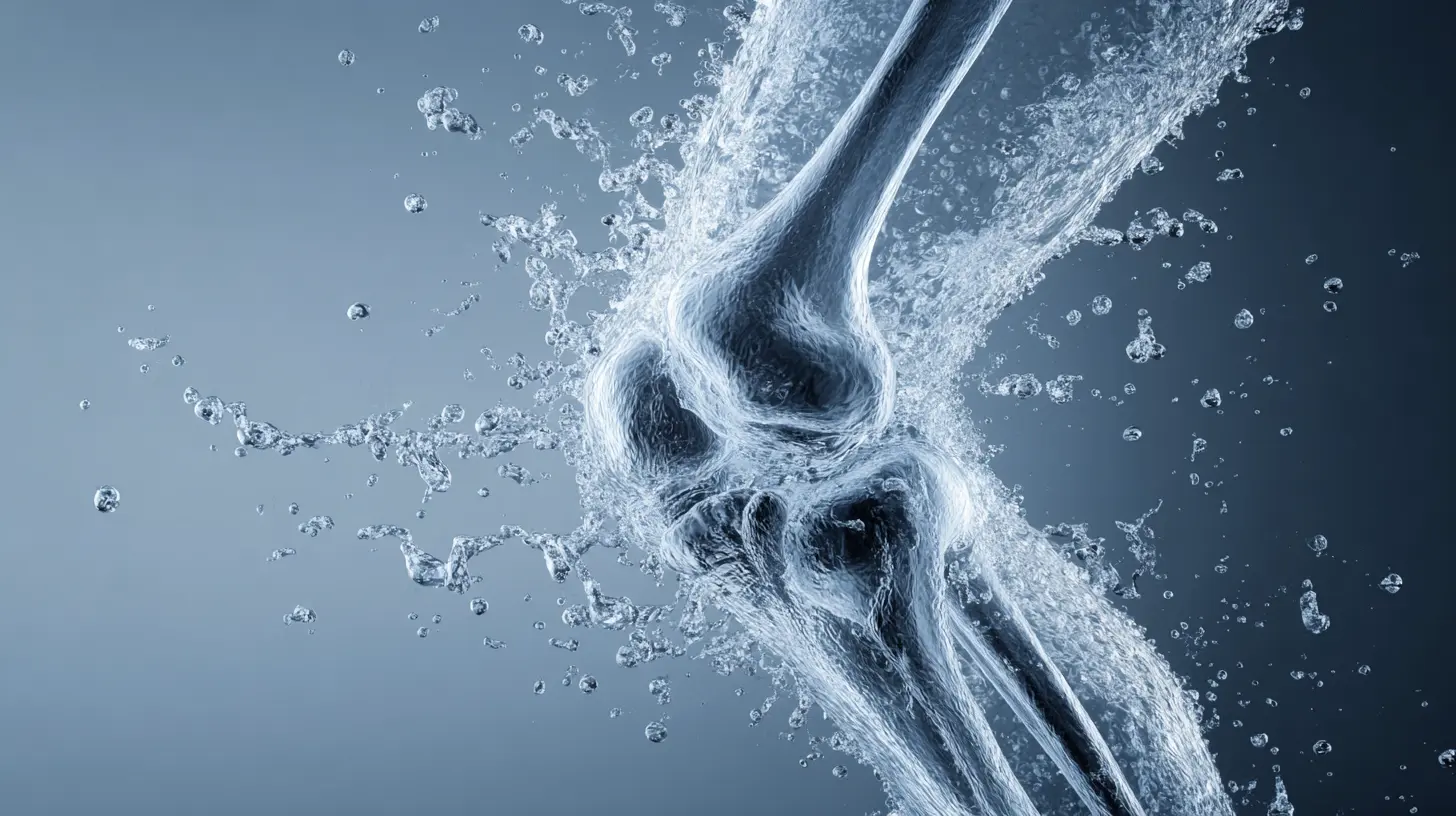
Signs You're Not Drinking Enough Water
So, how do you know if dehydration is affecting your joints? Here are some telltale signs:- Stiffness in the morning – If you wake up with stiff, creaky joints, dehydration might be a factor.
- Joint pain during movement – If your joints feel sore when you walk, run, or exercise, they might lack proper lubrication.
- Cracking or popping sounds – Occasional cracking is normal, but if you notice it more frequently, your joints could be dry.
- Fatigue and muscle cramps – When you're dehydrated, your muscles also suffer, increasing the strain on your joints.
How Much Water Do You Actually Need?
We’ve all heard the “8 glasses a day” rule, but the truth is, your water needs depend on various factors like age, weight, activity level, and climate. A good rule of thumb is to drink at least half your body weight (in pounds) in ounces of water per day. For example, if you weigh 160 lbs, aim for 80 ounces (or about 10 cups) of water daily.If you're physically active or live in a hot climate, you’ll need even more to keep your joints and body properly hydrated.
Best Ways to Stay Hydrated for Healthy Joints
1. Drink Water Throughout the Day
Rather than chugging water all at once, sip on it consistently throughout the day. Keeping a bottle with you can be a great reminder.2. Eat Water-Rich Foods
Fruits and vegetables like cucumbers, watermelon, oranges, and spinach are packed with water and can help keep your hydration levels up.3. Limit Dehydrating Drinks
Caffeinated and alcoholic drinks can be dehydrating. If you love your coffee or a glass of wine, balance it out with extra water.4. Use Electrolytes When Needed
If you sweat a lot or engage in intense exercise, replenish lost electrolytes with coconut water, electrolyte drinks, or homemade lemon-salt water.5. Listen to Your Body
Your body has a way of telling you when it needs more water—dry mouth, headaches, and fatigue are all signals. Pay attention to these cues and hydrate accordingly.
The Link Between Hydration and Arthritis
Arthritis, which causes joint pain and inflammation, can be worsened by dehydration. Since water helps cushion the joints and flush out toxins, staying hydrated may help reduce arthritis symptoms. Studies suggest that drinking enough water can ease stiffness and support overall joint function, making movement less painful.Can You Drink Too Much Water?
Yes, but it’s rare. Overhydration (or water intoxication) happens when you drink excessive amounts of water in a short period, diluting essential electrolytes like sodium. However, most people don’t need to worry about this—just focus on drinking enough to keep your joints happy, without overdoing it.
Final Thoughts
Hydration isn’t just about quenching your thirst—it’s a game-changer when it comes to joint health. Without enough water, your joints can become stiff, inflamed, and more prone to wear and tear. But by staying hydrated, you’re ensuring that your body has the lubrication it needs to keep moving smoothly and pain-free.So, the next time your joints feel stiff or achy, ask yourself: "Have I had enough water today?" Keeping up with hydration might just be the easiest and most natural way to improve your joint health.
all images in this post were generated using AI tools
Category:
Healthy JointsAuthor:

Laurie Barlow