CBD and Joint Health: Can It Help Manage Pain?
10 June 2026
Ah, joint pain—the uninvited guest that crashes the party known as "your body." Whether it's arthritis, an old sports injury, or just the delightful process of aging, joint pain can turn even the simplest activities into a never-ending endurance test.
Now, unless you've been living under a rock (in which case, I hope your joints are okay), you've probably heard whispers about CBD being the magic potion for pain relief. But is it all just hype, or is there some actual science behind it? Let’s dive into the world of CBD and joint health and see if this trendy compound can actually help. 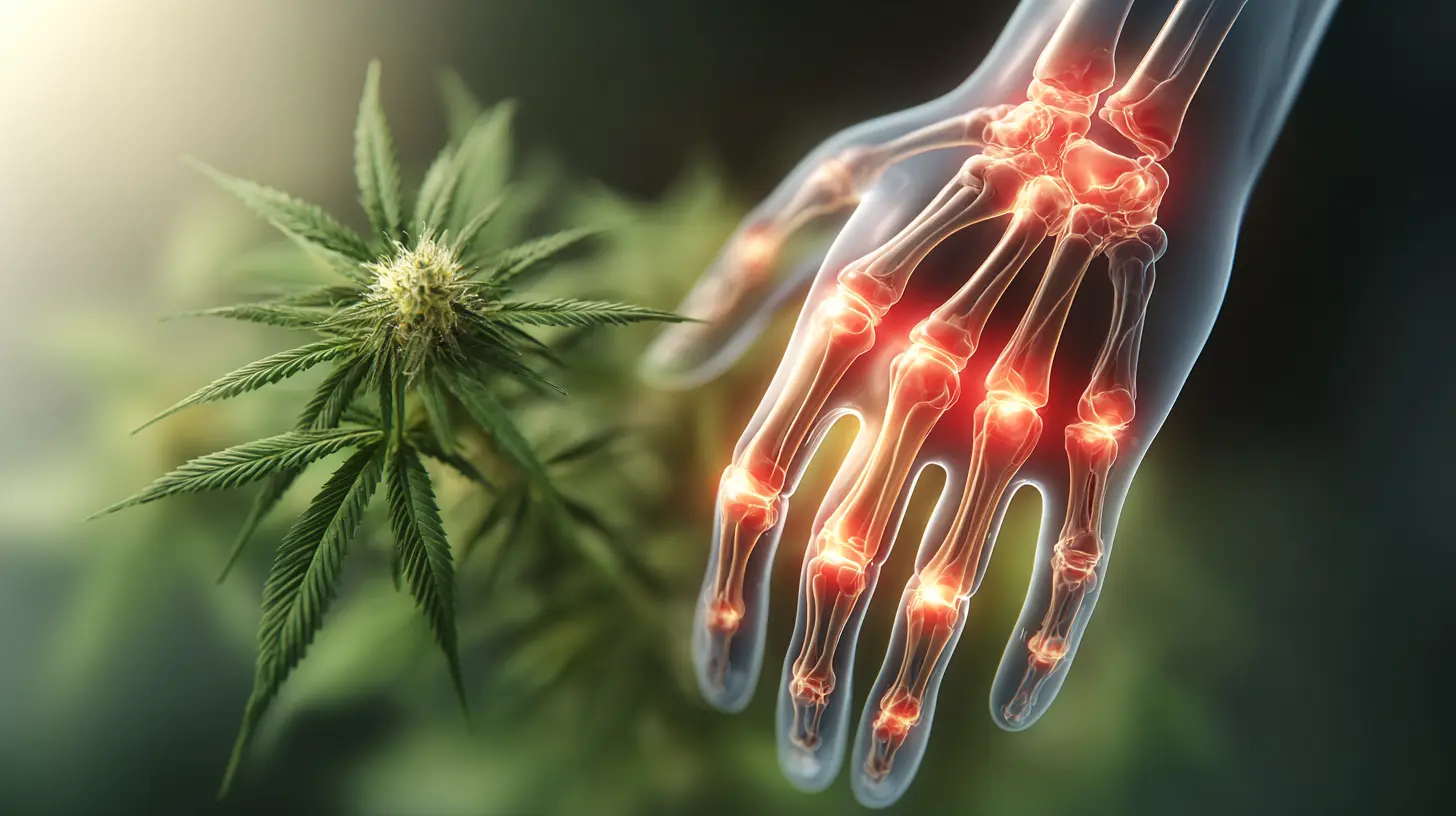
What Is CBD, and Why Is Everyone Obsessed With It?
CBD, short for cannabidiol, is one of over 100 compounds found in the cannabis plant. Unlike its mischievous cousin THC (the stuff that gets you high), CBD won't leave you giggling at refrigerator magnets. Instead, it's been praised for its potential health benefits, particularly in pain management, anxiety reduction, and inflammation control.With CBD-infused everything—from gummies to dog treats—it’s safe to say we're in the middle of a full-blown CBD revolution. But let’s cut through the noise and focus on what really matters: whether it's worth your time when it comes to joint pain. 
How Does CBD Interact With Your Joints?
Your body has something called an endocannabinoid system (ECS)—basically, a behind-the-scenes regulatory network that helps keep things running smoothly. This system is responsible for managing pain, inflammation, mood, and even sleep (because, apparently, our bodies like to multitask).CBD interacts with receptors in your ECS to help dial down inflammation and pain signals. Think of it like a volume knob on that annoying joint pain—CBD might not make it completely disappear, but it could turn the intensity down a notch or two. 
Can CBD Really Help With Joint Pain?
You came here for answers, right? So, let’s break it down:1. CBD’s Anti-Inflammatory Properties
One of CBD’s biggest claims to fame is its ability to reduce inflammation. And since inflammation is Public Enemy #1 when it comes to joint pain—especially in conditions like arthritis—CBD might just be the relief you've been looking for.Several studies suggest that CBD can help reduce inflammation by interacting with the body's immune responses. Translation? Less swelling, less stiffness, and (hopefully) fewer days spent cursing at your knees when you climb the stairs.
2. Pain Reduction Without the Side Effects
We’ve all been there—reaching for over-the-counter painkillers like they're candy, only to end up with an upset stomach, liver issues, or some other unwanted side effect.CBD presents itself as a more "natural" alternative, with research indicating that it may help manage pain without the nasty baggage that comes with long-term NSAID or opioid use. Instead of masking the pain, CBD seems to work with your body to tackle the root cause.
3. Improved Sleep = Happier Joints
If you've ever tried to sleep with joint pain, you know it's about as enjoyable as sleeping on a bed of Legos. Poor sleep can actually make inflammation worse, creating a vicious cycle of discomfort.CBD has been shown to promote relaxation and improve sleep quality, which means your joints get a little extra recovery time while you snooze. And hey, better sleep = less crankiness, so it’s a win-win.
4. Stress Reduction (Because Pain Is Stressful)
Chronic pain and stress go together like peanut butter and jelly—except way less delicious. Constant discomfort can wreak havoc on your mental health, making you more irritable and worn out.CBD has been widely praised for its calming properties, which might help reduce stress and anxiety associated with joint pain. Because let’s be honest, no one likes feeling like a human stress ball. 
How to Use CBD for Joint Pain
So, you're intrigued and ready to give CBD a shot? Here’s how to incorporate it into your pain management routine:1. CBD Oils & Tinctures
Fast-acting and versatile, CBD oils can be taken under the tongue (sublingually) for quick absorption. This is a great option if you want overall relief rather than just targeting one specific area.2. CBD Creams & Topicals
Got one particular knee that constantly reminds you of its existence? CBD-infused creams and balms can be applied directly to the affected area for localized relief. Think of it like Icy Hot, but without the weird burning sensation.3. CBD Capsules & Edibles
If you prefer a slow-and-steady approach, capsules or CBD-infused gummies provide long-lasting effects. Just keep in mind that edibles take longer to kick in, so patience is key.4. CBD Bath Bombs (Yes, Really)
Feeling fancy? CBD bath bombs combine relaxation with potential pain relief. Soaking in warm water infused with CBD might just be the self-care moment your aching joints deserve.Are There Any Side Effects?
Ah, the million-dollar question. Generally speaking, CBD is considered safe, but that doesn’t mean it’s a free-for-all. Some people may experience mild side effects such as:- Dry mouth (aka the dreaded cottonmouth)
- Drowsiness (which might actually be a bonus if sleep is an issue)
- Changes in appetite (because food suddenly becoming way more appealing could be a problem?)
The key is to start with a low dose and gradually adjust based on how your body reacts. Oh, and if you're on any medications, chat with your doctor first—CBD can interact with certain prescriptions, and you don’t want any unexpected surprises.
Is CBD the Ultimate Solution for Joint Pain?
Look, CBD isn’t some magical elixir that’s going to make you sprint up the stairs like an Olympic athlete. But does it have potential as a natural alternative for managing joint pain? Absolutely.For many people, CBD provides noticeable relief without the side effects of traditional painkillers. While research is still evolving, early studies and anecdotal reports suggest that it can be a game-changer for those dealing with chronic pain and inflammation.
The bottom line? If you're tired of wincing every time you move, CBD might be worth a shot. At the very worst, you’ll get a good night’s sleep and some relaxation out of it. And at best? You might just reclaim some of that mobility and comfort you've been missing.
Final Thoughts
So, can CBD help manage joint pain? The short answer: quite possibly. The longer answer: everyone's body reacts differently, so results may vary.But if traditional pain relievers aren't cutting it, CBD could be a worthwhile, natural option to explore. Just make sure you're using high-quality products (because, trust me, not all CBD is created equal), and pay attention to how your body responds.
Who knows? You might just find yourself moving a little easier—and complaining a little less—thanks to this plant-powered remedy.
all images in this post were generated using AI tools
Category:
Healthy JointsAuthor:

Laurie Barlow
Discussion
rate this article
1 comments
Galina Mason
Could CBD be the missing piece in your pain management puzzle? As more people seek natural alternatives, the potential of this compound raises questions. What lies beneath the surface of CBD's impact on joint health? Explore the possibilities...
June 13, 2026 at 4:49 AM
Laurie Barlow
CBD shows promise for joint health, but more research is needed to fully understand its impact on pain management. Exploring individual responses is key.