Can Stress Cause Joint Pain? Exploring the Mind-Body Connection
24 July 2026
Stress is something we all experience, whether it's from work, relationships, or just the chaos of everyday life. But have you ever noticed that during particularly stressful times, your joints start aching out of nowhere? Could there actually be a link between stress and joint pain? The short answer: Absolutely.
Let’s dive deep into how stress and joint pain are connected and what you can do about it.
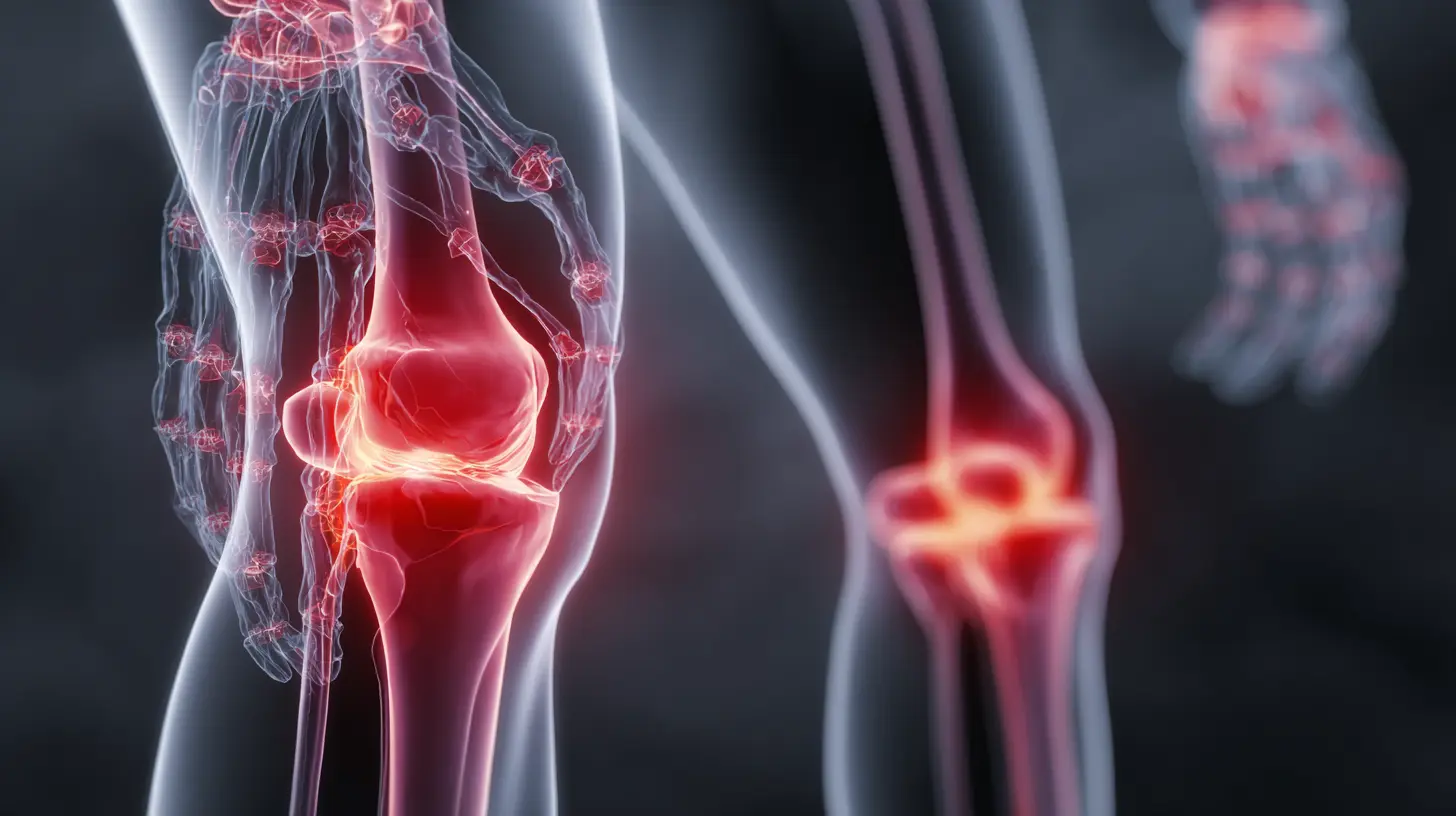
Understanding Stress: More Than Just a Mental Burden
Stress isn’t just in your head—it affects your entire body. When you're stressed, your body releases hormones like cortisol and adrenaline, which are part of the "fight or flight" response. While useful in emergencies, chronic stress can wreak havoc on your system.Prolonged stress can lead to muscle tension, inflammation, and even affect the way your immune system functions. But how does this connect to joint pain? Let’s break it down.
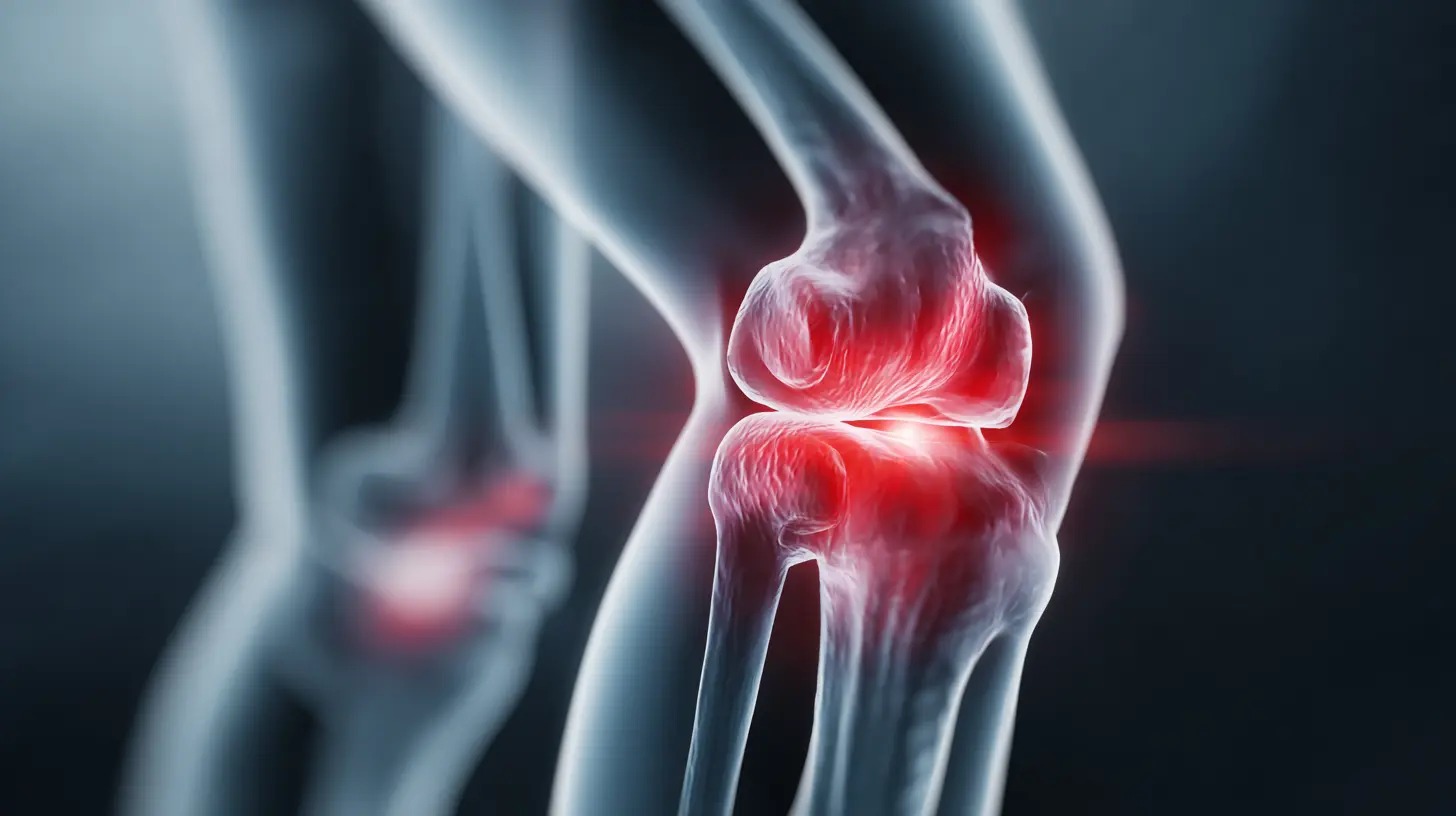
How Stress Contributes to Joint Pain
1. Stress Triggers Inflammation
Inflammation is a major culprit behind joint pain, and stress is known to increase inflammation throughout the body. When you're under chronic stress, your immune system goes into overdrive, leading to excessive production of inflammatory chemicals. This can aggravate conditions like:- Arthritis – If you have osteoarthritis or rheumatoid arthritis, stress can make flare-ups worse.
- Fibromyalgia – A condition that involves muscle and joint pain, often worsened by stress.
- Autoimmune Disorders – Stress can trigger or worsen lupus, psoriatic arthritis, and other autoimmune issues.
When your body's inflammatory response is constantly activated, your joints can ache—even if you don’t have a diagnosed condition.
2. Muscle Tension and Joint Strain
Ever noticed how you clench your jaw or tense your shoulders when you're stressed? That muscle tension doesn’t just stay in one place—it spreads throughout your body, including around your joints.Tight muscles put pressure on your joints, leading to stiffness, discomfort, and pain. Over time, this tension can cause wear and tear, making movement painful.
3. Altered Pain Perception
Stress changes the way your brain processes pain. When you’re highly stressed, your nervous system becomes more sensitive to pain signals. Something that would normally cause mild discomfort might feel significantly worse.This is why people with chronic pain conditions often report feeling worse during stressful periods. The pain is real, but stress makes it feel amplified.
4. Poor Sleep and Recovery
Let’s be honest—when you’re stressed, your sleep suffers. Tossing and turning at night means your body doesn’t get the rest it needs to repair joints and muscles. Sleep deprivation increases inflammation and lowers your body's natural ability to heal, making joint pain even worse.5. Unhealthy Coping Habits
Stress often leads people to engage in unhealthy coping mechanisms like:- Skipping exercise
- Eating too much junk food
- Drinking alcohol
- Smoking
All of these habits can contribute to inflammation, weight gain, and poor joint health, creating a vicious cycle where stress and joint pain feed off each other.
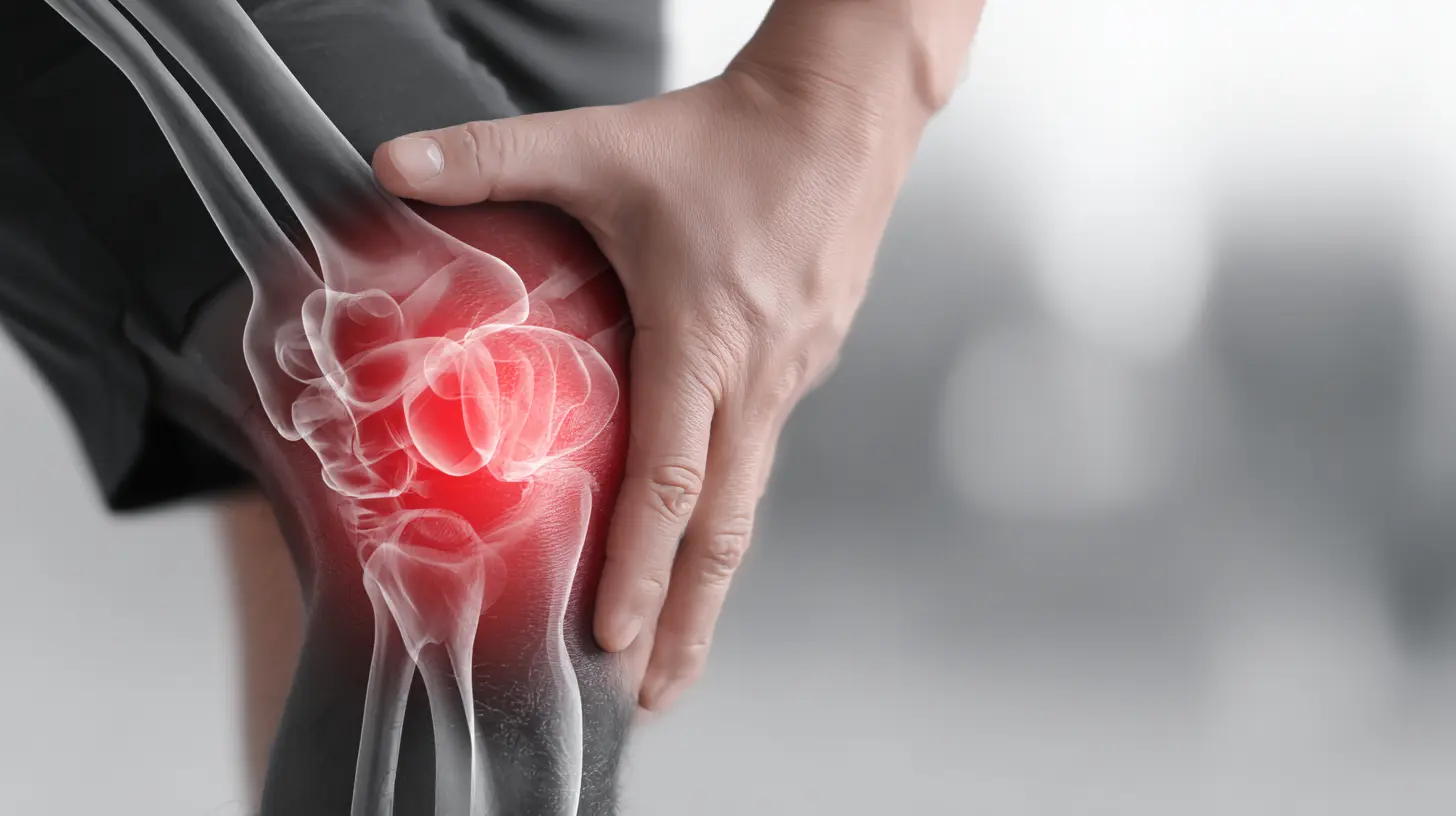
Can Stress Cause Long-Term Joint Issues?
If stress is continuous and unmanaged, the long-term effects can be serious. Chronic inflammation can accelerate joint degeneration, increasing your risk of arthritis and other musculoskeletal conditions.Additionally, prolonged stress can weaken bones, making fractures and injuries more likely over time. So while occasional stress won’t destroy your joints, constant stress without relief can have lasting consequences.
How to Manage Stress and Reduce Joint Pain
Now that we know stress and joint pain are connected, what can you do to break the cycle?1. Practice Relaxation Techniques
Engaging in relaxation activities can significantly lower stress levels and ease muscle tension. Try:- Deep breathing exercises – Inhale deeply through your nose, hold for a few seconds, and exhale slowly.
- Meditation – Even just 5–10 minutes a day can rewire your response to stress.
- Progressive muscle relaxation – Tense and relax different muscle groups to release tension.
2. Stay Active (Without Overdoing It)
Exercise might be the last thing you want to do when your joints hurt, but movement is actually one of the best remedies. Low-impact exercises like:- Yoga – Reduces stress while improving flexibility and joint strength.
- Swimming – Gentle on the joints while offering full-body conditioning.
- Walking – Helps keep joints mobile and releases feel-good endorphins.
The key is consistency—moving your body regularly can ease stiffness and reduce stress-driven inflammation.
3. Improve Your Sleep
Quality sleep is crucial for joint repair and overall well-being. To improve sleep:- Set a consistent bedtime.
- Limit screen time before bed.
- Avoid caffeine in the evening.
- Create a relaxing bedtime routine, like reading or taking a warm bath.
Good sleep lowers inflammation and helps your body recover from daily wear and tear.
4. Eat an Anti-Inflammatory Diet
What you eat plays a huge role in how your body handles stress and inflammation. Foods that help reduce inflammation include:✅ Fatty fish (salmon, tuna, sardines)
✅ Leafy greens (spinach, kale)
✅ Nuts and seeds (walnuts, flaxseeds)
✅ Berries (blueberries, strawberries)
✅ Turmeric and ginger
On the flip side, avoid processed foods, excessive sugar, and trans fats, which can increase inflammation and joint pain.
5. Stay Hydrated
Dehydration can make joint pain worse since joints need adequate fluid to stay lubricated. Aim to drink at least 8 glasses of water a day (more if you're active).6. Seek Professional Help if Needed
If stress is overwhelming and affecting your quality of life, talking to a therapist or counselor can be a game-changer. Cognitive behavioral therapy (CBT) and stress-management coaching can help you develop healthier coping mechanisms.Similarly, if your joint pain is persistent or severe, seeing a doctor or physical therapist can help determine the best treatment plan.
Conclusion
Stress and joint pain are more connected than most people realize. While stress itself doesn’t directly "cause" joint pain, its effects on inflammation, muscle tension, sleep, and pain perception can make existing pain much worse—or even contribute to new pain.The good news? With the right lifestyle changes, you can reduce stress, ease joint pain, and regain control of your health. Start small—meditate for a few minutes, go for a walk, or swap processed foods for whole, anti-inflammatory options. Your mind and body will thank you.
all images in this post were generated using AI tools
Category:
Healthy JointsAuthor:

Laurie Barlow