Building a Sustainable Exercise Routine for Diabetes
14 May 2026
Living with diabetes can feel like a constant balancing act, but one of the most powerful tools in your arsenal is exercise. Regular physical activity can help you manage blood sugar levels, improve insulin sensitivity, boost your energy, and even reduce stress. But let’s be real—sticking to an exercise routine can be challenging.
So, how do you create a sustainable fitness plan that fits your lifestyle? Let’s break it down into simple, actionable steps so you can stay active without feeling overwhelmed. 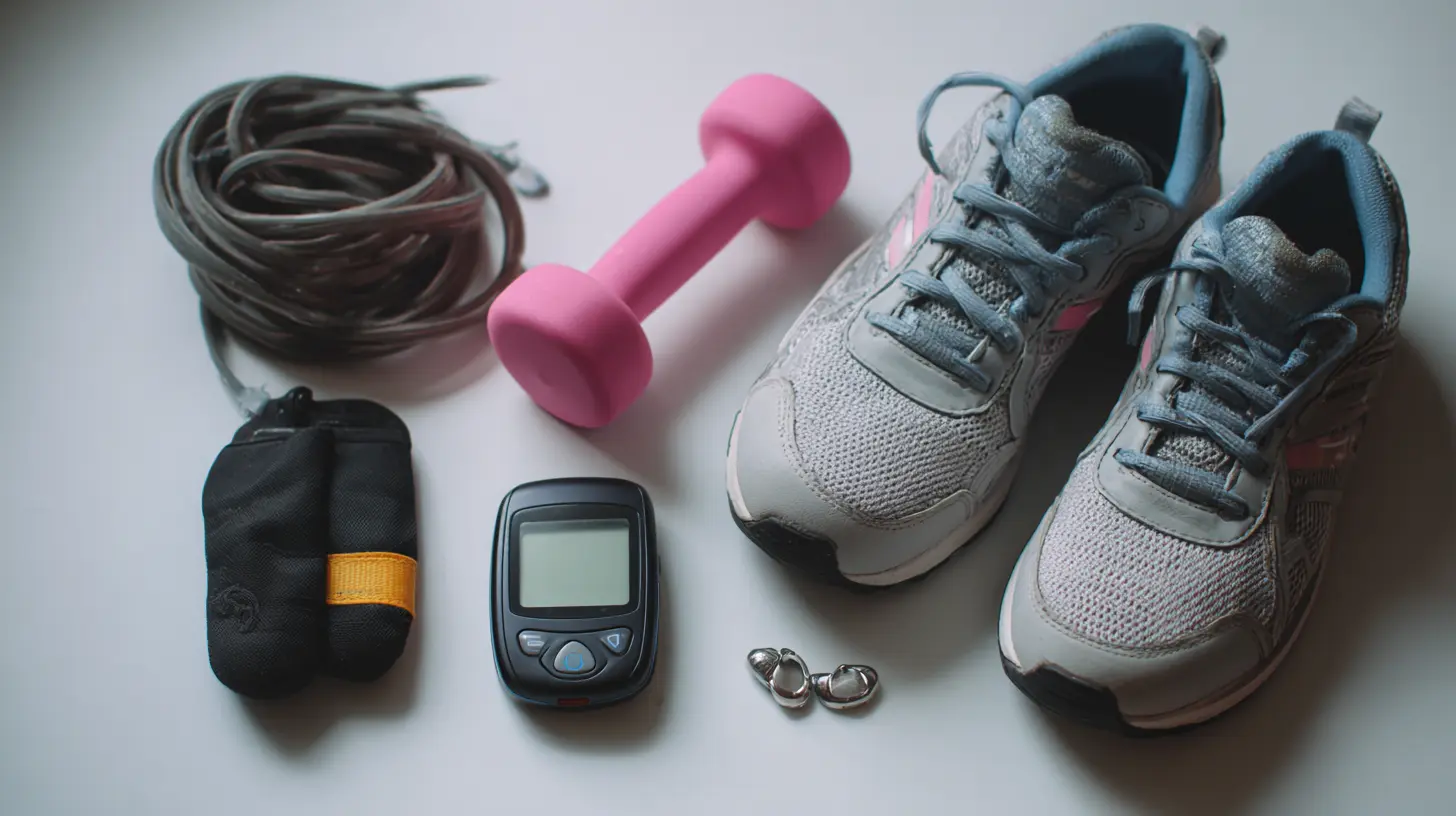
Why Exercise is Crucial for Diabetes Management
Before we dive into the how, let’s talk about the why. When you exercise, your muscles use glucose for energy, which helps lower blood sugar levels. Plus, regular physical activity improves insulin sensitivity, meaning your body doesn’t have to work as hard to process sugar.Other amazing benefits of exercise for diabetes include:
✅ Weight management – Helps you shed extra pounds or maintain a healthy weight.
✅ Heart health – Reduces the risk of heart disease, which is common among diabetics.
✅ Better mood – Exercise releases endorphins, reducing stress and anxiety.
✅ More energy – Say goodbye to constant fatigue and sluggishness.
Now that we know why exercise is a game-changer, let’s talk about how to make it a lifelong habit. 
Step 1: Set Realistic and Achievable Goals
The biggest mistake people make? Going too hard, too fast. If you’re not used to exercising, don’t start with an intense 60-minute workout. Instead, begin with small, manageable steps.? Start With a Goal That Feels Doable
- Aim for 30 minutes of exercise at least 5 days a week (even if it’s broken into 10-minute chunks).
- If you’re new to working out, start with 10-15 minutes a day and gradually increase.
- Instead of aiming for a marathon, just focus on moving more than yesterday.
✅ Make It Specific – Instead of saying, “I’ll exercise more,” say, “I’ll walk for 20 minutes after dinner on Mondays, Wednesdays, and Fridays.”
Remember, consistency beats perfection every time. 
Step 2: Choose Activities You Actually Enjoy
Here’s the secret to sticking with an exercise routine—it has to be FUN! If you hate running, don’t force yourself to jog every morning. Find activities that make you feel good, so you’ll actually look forward to them.?♂️ Great Exercise Options for People with Diabetes
- Walking – Super effective and easy on the joints.
- Swimming – A fantastic low-impact workout that’s gentle on the body.
- Cycling – Boosts cardiovascular health while being fun.
- Dancing – Burns calories and lifts your mood.
- Strength training – Builds muscle and improves metabolism.
- Yoga – Enhances flexibility, reduces stress, and improves blood sugar control.
Mix it up! Variety keeps things interesting, so you’re less likely to get bored. 
Step 3: Make It Part of Your Daily Routine
Half the battle is making exercise a habit. The easiest way? Attach it to something you already do.⏰ Try This:
- Walk for 10 minutes after breakfast.
- Do some light stretching while watching TV.
- Take the stairs instead of the elevator.
- Park farther away from the store.
? The Power of Routine
If you schedule workouts just like you do meetings or appointments, you're more likely to stick with them. Set reminders on your phone if needed!
Step 4: Listen to Your Body and Stay Safe
If you have diabetes, you need to be mindful of your blood sugar levels before, during, and after exercise.? Check Your Blood Sugar:
- If it’s too low before exercising (below 100 mg/dL), have a small snack with carbs.
- If it’s too high (above 250 mg/dL), check for ketones and avoid intense activity.
? Safety Tips:
- Stay hydrated – Drink plenty of water before, during, and after workouts.
- Wear comfortable shoes – This prevents blisters and injuries.
- Have a small snack on hand – Just in case your blood sugar drops.
And most importantly, listen to your body. If you feel dizzy, weak, or extremely fatigued, stop and rest.
Step 5: Stay Motivated and Accountable
Motivation naturally fades, so how do you stay consistent in the long run?? Find an Accountability Buddy
Exercising with a friend or joining a group can make workouts more enjoyable. You’re less likely to skip when someone else is counting on you.
? Track Your Progress
Keep a journal or use a fitness app to record your workouts. Seeing improvements—whether it’s increased endurance, strength, or better blood sugar levels—can keep you motivated.
? Celebrate Small Wins
Every step counts! Whether it’s walking an extra five minutes or lifting heavier weights, acknowledge your progress and reward yourself (not with food, though!).
Overcoming Common Exercise Barriers
Let’s be honest—life gets busy, and excuses happen. Here’s how to tackle some of the most common roadblocks:? “I don’t have time.” – Break workouts into short sessions (10-15 minutes). Something is always better than nothing!
? “I’m too tired.” – It sounds counterintuitive, but exercise boosts energy. Start small, and you’ll notice the difference.
? “I hate working out.” – Find activities you actually enjoy. Dance, swim, take a scenic walk—whatever makes you happy.
? “I keep forgetting.” – Set reminders or link exercise to daily habits (like walking after meals).
? “I don’t see results.” – Focus on how you feel rather than just the scale. More energy, better sleep, and lower blood sugar are all signs of progress.
Final Thoughts
Building a sustainable exercise routine when you have diabetes isn’t about perfection—it’s about consistency and finding what works for you. Start small, choose activities you enjoy, and make exercise a natural part of your day.Every bit of movement counts, and over time, these small changes add up to huge health benefits. So, take that first step today—your future self will thank you!
all images in this post were generated using AI tools
Category:
DiabetesAuthor:

Laurie Barlow
Discussion
rate this article
2 comments
Zadie Benton
Finding a sustainable exercise routine can be a game changer for managing diabetes. Small steps make a big difference-just keep moving and stay motivated!
June 16, 2026 at 4:29 AM
Solara Mercado
Finding the right balance in exercise is key for managing diabetes. Tailor your routine to enjoy the journey, not just the destination. Consistency is your best ally.
May 22, 2026 at 4:45 PM
Laurie Barlow
Absolutely! Finding that balance makes a huge difference. Enjoying the process keeps you motivated for the long haul.