Brain Games and Puzzles for Enhanced Mental Clarity
21 July 2026
Ever feel like your brain needs a reboot? Sort of like your computer when it's been running too long and starts lagging? Yeah, we've all been there. In today’s fast-paced, information overload kind of world, mental clarity can seem a bit elusive. But there’s good news—you can train your brain just like you do your muscles. Enter: brain games and puzzles.
These aren’t just fun little distractions (though, yes, they’re that too!). They’re science-backed tools to help sharpen your mind, boost memory, improve focus, and give you a mental edge. So, grab your favorite cup of coffee (or tea, if that’s your jam), and let’s unpack how brain games and puzzles can lead you to a sharper, more focused version of yourself.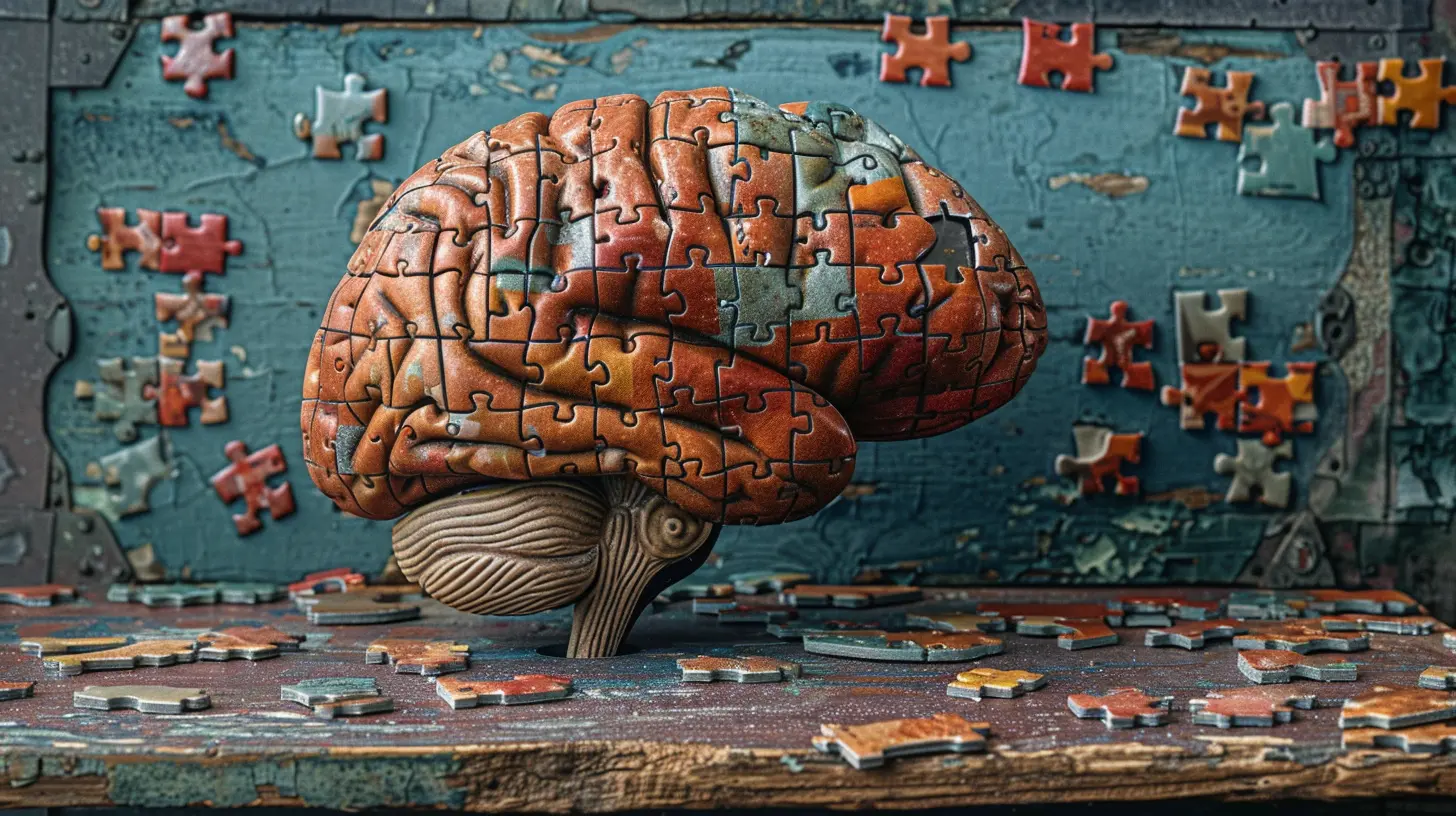
Why Mental Clarity Matters
Before we dive into the games, let’s talk about mental clarity for a sec. Have you ever had one of those days where you can’t string together a complete sentence or remember why you walked into a room? That’s mental fog, aka the opposite of clarity.When your brain operates with clarity:
- Tasks feel easier
- You make decisions faster
- You remember more
- You’re less stressed
- You sleep better
Basically, everything flows. Mental clarity is like having a clean windshield on a rainy day.
The Science Behind Brain Games and Puzzles
Okay, so how do games and puzzles help? Here's the scoop.Your brain thrives on neuroplasticity—that’s a fancy word for its ability to adapt and grow. Like, if your brain had muscles, neuroplasticity would be its gym membership. When you challenge your mind with new problems, it builds new neural pathways, strengthens existing ones, and keeps your cognitive engine running smoothly.
Studies have shown that engaging in mentally stimulating activities, such as puzzles, is linked to:
- Better memory recall
- Improved reasoning skills
- Slower cognitive decline
- Enhanced focus and attention span
So when you play Sudoku or solve a crossword, you’re not just passing time—you’re giving your brain a much-needed workout.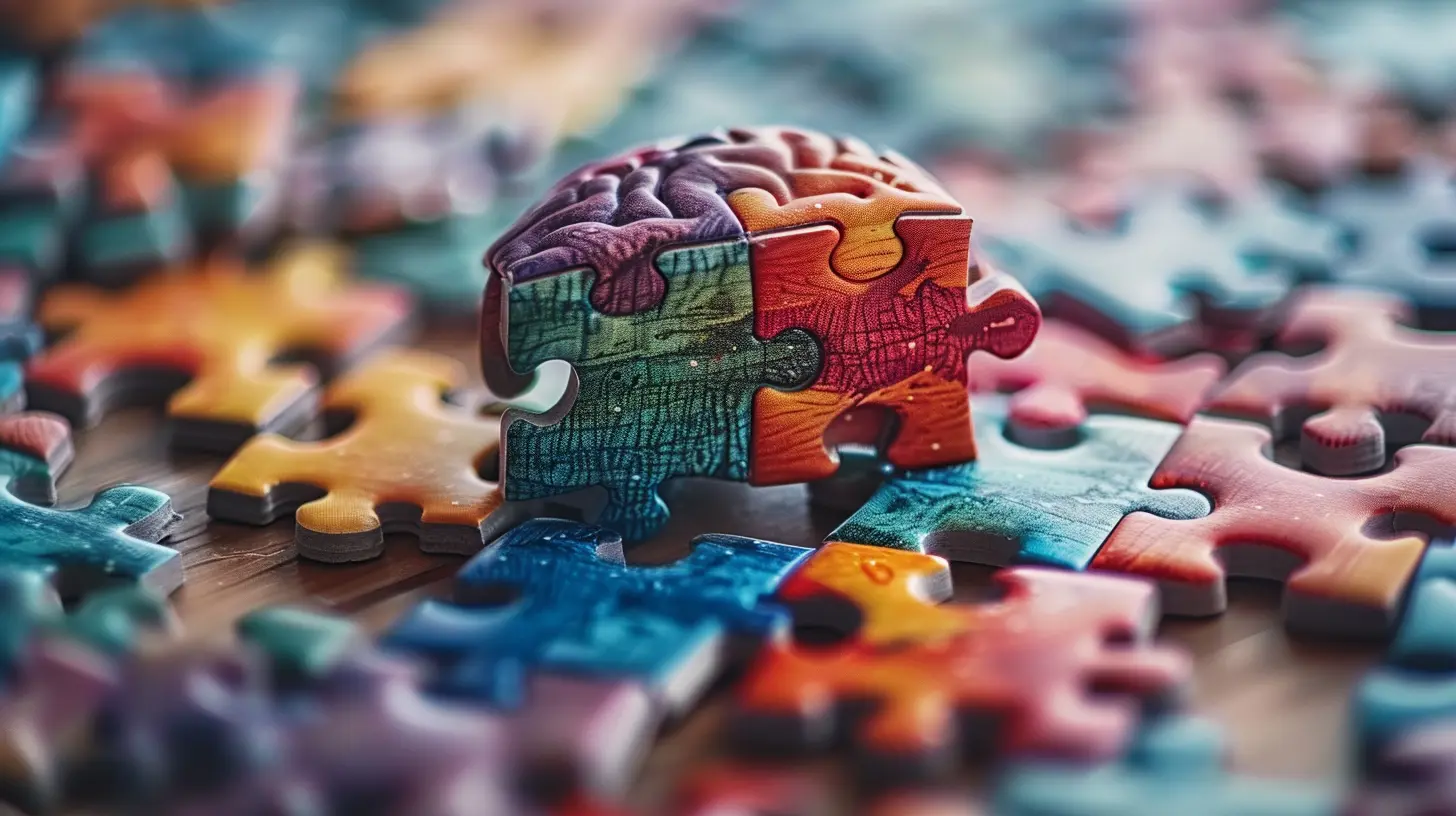
Types of Brain Games and Puzzles (And What They Do For You)
Let’s break down some of the most effective brain-boosting games out there and how they help.1. Crossword Puzzles
Think of crossword puzzles as the OG brain game. They’re fantastic for improving vocabulary, memory, and pattern recognition.? Brain Benefits:
- Boosts verbal skills
- Strengthens short-term memory
- Enhances problem-solving
Wanna really challenge yourself? Skip the Monday crossword and try one from Sunday. Trust me—your brain will thank you.
2. Sudoku
Numbers aren’t just for math geeks. Sudoku is a logic-based puzzle that hones your ability to think ahead and strategize.? Brain Benefits:
- Enhances logical thinking
- Improves pattern recognition
- Builds concentration skills
Pro tip: Keep a Sudoku book by your bed and swap scrolling social media for a puzzle before sleep. Your brain will sleep more peacefully.
3. Jigsaw Puzzles
Oddly satisfying, right? Fitting tiny pieces into a bigger picture is like therapy for your brain.? Brain Benefits:
- Enhances visual-spatial reasoning
- Improves short-term memory
- Trains the brain to recognize patterns
Fun fact: Solving a puzzle activates both hemispheres of your brain. It’s like a synchronized brain party.
4. Memory Card Games
Remember that classic game where you flip cards and try to match pairs? Turns out, it’s more than child’s play.? Brain Benefits:
- Improves memory recall
- Boosts attention to detail
- Enhances concentration
Apps with memory games are super handy when you’re on the go. Waiting in line? Train your brain instead of doomscrolling.
5. Logic Puzzles and Riddles
You know those puzzles that make your brain go “Wait, what?”—and then you feel like a genius when you solve them? That’s them.? Brain Benefits:
- Encourages lateral thinking
- Strengthens reasoning and decision-making skills
- Increases mental flexibility
Toss a riddle into your group chat every now and then—you’ll either stump your friends or start an intellectual arms race.
6. Chess
The game of kings. Chess isn’t just a board game; it’s a full-on strategic battle.? Brain Benefits:
- Sharpens focus
- Enhances foresight and strategic planning
- Boosts IQ (yes, really!)
Whether you’re a total beginner or a Grandmaster wannabe, get in a few games a week online or with a friend. Your cognitive skills? Leveled up.
7. Mobile Brain Game Apps
Apps like Lumosity, Elevate, Peak, and Cognifit are designed by neuroscientists to challenge different cognitive functions.? Brain Benefits:
- Tailored neuro-training
- Tracks your progress
- Covers everything from math to memory to language
Think of them as your digital brain coach—pushing you just enough to grow.
Tips For Getting The Most Out of Brain Games
Okay, you’re pumped to start playing—awesome. But wait! Don’t just scatter-play and hope for the best. Here’s how to maximize those brain gains.? 1. Be Consistent
Like working out, consistency is key. A 10-minute puzzle every day beats an hour once in a blue moon.? 2. Keep It Challenging
If you find yourself breezing through your puzzles, level up. You grow more when the game stretches you a bit.? 3. Mix It Up
Variety keeps your brain engaged. Alternate between words, numbers, logic, and spatial puzzles to hit all the cognitive sweet spots.? 4. Make It Social
Play with friends or family. Multiplayer games like Scrabble or online chess add a splash of competition—and social interaction, which is also great for your mental health.? 5. Track Your Progress
Use apps or keep a puzzle journal. It’s motivating to see improvement and helps you tweak your routine.Lifestyle Habits That Amplify the Benefits
Brain games are powerful—but they’re not magic on their own. Pair them with healthy habits to supercharge the results.?♂️ Get Enough Sleep
Your brain consolidates new info while you sleep. Skimping on zzz’s? You’re shortchanging your gains.? Eat Brain-Friendly Foods
Foods rich in omega-3s, antioxidants, and vitamins (think salmon, blueberries, leafy greens) fuel brain function.?♀️ Move Your Body
Exercise increases blood flow to the brain. Even a 20-minute walk can boost your puzzle-solving power.? Practice Mindfulness
Meditation and breathing exercises clear the mental fog—kind of like rebooting your mind computer.FAQs – Let’s Clear Up Some Common Questions
Q: How often should I play brain games?
Ideally, aim for at least 10–20 minutes daily. The key is regular, consistent practice.Q: Can brain games prevent dementia?
While not guaranteed prevention, studies show that mentally stimulating activities can slow cognitive decline and build cognitive reserve.Q: Are app-based games as effective as physical puzzles?
Yep! As long as the game is well-designed and challenges your brain, whether it's digital or analog, the benefits are real.Final Thoughts
So next time you're zoning out or feel a mental cloud hanging over you, remember—your brain just might need a little playtime. Brain games and puzzles are more than just a fun distraction; they’re tools to keep your mind sharp, focused, and resilient.Whether it's a crossword with your morning coffee, a Sudoku during lunch, or a chess match before bed, you’re training your brain to stay agile and alert. Mental clarity isn't just for yogis and gurus—it’s for anyone who wants to think better, feel better, and live better.
So, go on, challenge yourself. Your brain will rise to the occasion.
all images in this post were generated using AI tools
Category:
Mental ClarityAuthor:

Laurie Barlow